Tag Archives: advanced neurosciences Andhra Pradesh

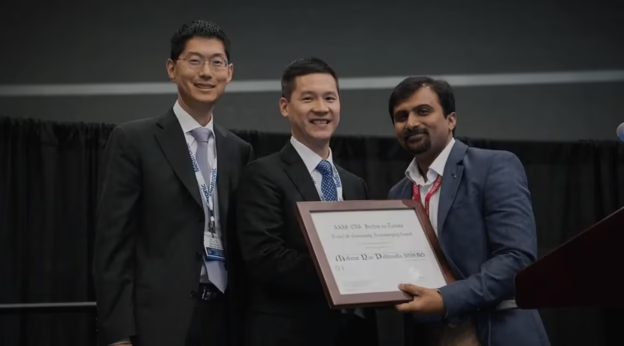
Dr. Mohana Rao Patibandla receiving Times ICONs of Healthcare 2026 award from Andhra Pradesh Health Minister Satya Kumar Yadav

Recognition for Excellence in Neurosciences and Spine Care at Times ICONs of Healthcare 2026 – Dr. Rao’s IIN


How Recognition at Times ICONs of Healthcare Reflects the Growing Transformation of Neurosciences and Spine Care in India


India’s healthcare landscape is undergoing rapid transformation, particularly in advanced specialties such as neurosciences, neurosurgery, spine surgery, stroke intervention, and minimally invasive neurological treatment.


For many years, highly specialized neurological and spine care remained concentrated primarily within metropolitan cities, forcing patients from regional areas to travel long distances for advanced treatment.


Today, however, healthcare innovation, advanced surgical systems, international training, and regional healthcare development are gradually reshaping accessibility across India.


A recent Mid-Day feature highlighted this transformation through the recognition of Dr. Mohana Rao Patibandla and Dr. Amit Kumar Thotakura at the prestigious Times ICONs of Healthcare 2026 awards for their contributions to neurosciences and spine care.


Primary Source: Mid-Day – Dr. Mohana Rao Patibandla and Dr. Amit Kumar Thotakura Honoured at Times ICONs of Healthcare 2026


The Importance of Recognition in Modern Healthcare


Healthcare awards and professional recognitions are not simply ceremonial achievements. They often reflect years of dedication, innovation, research, patient service, and institutional development.


According to the Mid-Day article, the Times ICONs of Healthcare Awards recognize individuals and institutions demonstrating sustained excellence, innovation, and commitment toward quality healthcare delivery.


Such recognition helps highlight:


  • Clinical excellence
  • Patient-centered care
  • Advanced healthcare systems
  • Innovation-driven medicine
  • Institutional credibility


In neurosciences especially, where treatment involves highly complex disorders affecting the brain, spine, and nervous system, continuous innovation and precision become critically important.


WHO – Neurological Disorders


Neurosciences: One of Medicine’s Most Complex Fields


Neurosciences involve the diagnosis and treatment of disorders affecting:


  • The brain
  • Spinal cord
  • Nerves
  • Cerebrovascular systems
  • Neurological function


Conditions such as:


  • Brain tumors
  • Stroke
  • Epilepsy
  • Spinal disorders
  • Neurovascular diseases
  • Traumatic brain injuries


often require highly specialized multidisciplinary care.


Even minor surgical inaccuracies can potentially affect:


  • Movement
  • Speech
  • Memory
  • Cognition
  • Vision
  • Long-term neurological independence


This level of complexity makes continuous training, advanced technology, and patient-centered planning essential in modern neurosciences.


The Journey of Dr. Mohana Rao Patibandla


The Mid-Day article highlights Dr. Mohana Rao Patibandla’s longstanding contributions toward advanced neurosurgery and minimally invasive neurological care in Andhra Pradesh.


Dr. Patibandla’s professional journey includes extensive international fellowships and advanced training across multiple neurosurgical subspecialties including:


  • Minimally invasive skull base surgery
  • Pediatric neurosurgery
  • Neuro-oncology
  • Functional neurosurgery
  • Endovascular neurosurgery


International training often exposes specialists to:


  • Advanced surgical systems
  • Modern operating technologies
  • Evidence-based healthcare models
  • Research-oriented medicine
  • Complex multidisciplinary care


Such exposure frequently shapes long-term institutional vision and innovation-driven healthcare systems.


The Role of Dr. Amit Kumar Thotakura in Advanced Spine Care


The Mid-Day feature also recognizes Dr. Amit Kumar Thotakura for contributions toward advanced spine surgery and minimally invasive spinal treatment.


Spinal disorders remain among the leading causes of disability worldwide.


Common conditions include:


  • Lumbar disc disease
  • Cervical spondylosis
  • Spinal stenosis
  • Spinal trauma
  • Spinal tumors
  • Degenerative spinal disorders


Modern spine surgery increasingly focuses on:


  • Motion preservation
  • Minimally invasive techniques
  • Early mobilization
  • Precision-guided procedures
  • Enhanced rehabilitation


These advancements aim to reduce:


  • Tissue trauma
  • Blood loss
  • Hospital stay duration
  • Recovery time


North American Spine Society


The Evolution of Minimally Invasive Neurosurgery


One of the strongest themes reflected throughout the article is the growing importance of minimally invasive techniques in modern healthcare.


Traditional neurological and spinal surgeries often required:


  • Larger incisions
  • Greater tissue disruption
  • Longer hospitalization
  • Extended rehabilitation


Today, minimally invasive systems allow surgeons to perform selected procedures through:


  • Smaller incisions
  • Endoscopic approaches
  • Image-guided systems
  • Microsurgical precision


According to the Mid-Day article, Dr. Patibandla has been closely associated with expanding minimally invasive neurosurgical approaches within Andhra Pradesh.


Minimally Invasive Neurosurgery at Dr. Rao’s Hospital


The Importance of Regional Healthcare Development


Historically, advanced neurosciences and spine care were concentrated largely within major metropolitan hospitals.


Patients from smaller towns often experienced:


  • Travel burden
  • Financial stress
  • Treatment delays
  • Interrupted rehabilitation
  • Limited specialist accessibility


The Mid-Day article emphasizes that institutions such as Dr. Rao’s Hospital – International Institute of Neurosciences have helped expand advanced neurological and spine care accessibility within regional India.


Regional neuroscience systems help improve:


  • Emergency care access
  • Continuity of treatment
  • Rehabilitation support
  • Patient convenience
  • Long-term healthcare accessibility


Technology Is Reshaping Neurosciences


Modern neurosciences now integrate highly sophisticated technologies including:


  • Neuronavigation systems
  • Advanced MRI imaging
  • Endoscopic surgery
  • Microsurgical operating microscopes
  • Intraoperative monitoring
  • AI-assisted diagnostics


These technologies improve:


  • Surgical planning
  • Precision
  • Safety
  • Recovery outcomes
  • Long-term neurological preservation


The future of neurosciences will increasingly depend on combining:


  • Technology
  • Human expertise
  • Ethical care
  • Patient-centered systems


The Human Side of Neurosciences


Neurological disorders affect far more than anatomy alone.


Patients facing brain or spine disorders often experience:


  • Fear
  • Anxiety
  • Concerns regarding disability
  • Financial uncertainty
  • Questions about long-term recovery


The Mid-Day article reflects themes of patient-centered care, ethical practice, and multidisciplinary healthcare delivery.


In modern medicine, technology alone is not enough.


Meaningful healthcare also requires:


  • Compassion
  • Clear communication
  • Trust
  • Empathy
  • Long-term rehabilitation support


The Importance of Multidisciplinary Care


Modern neurosciences increasingly rely on multidisciplinary collaboration.


Comprehensive care frequently involves:


  • Neurosurgeons
  • Neurologists
  • Spine surgeons
  • Neuro-anesthesiologists
  • Neurocritical care specialists
  • Physiotherapists
  • Rehabilitation experts


This collaborative approach helps optimize:


  • Surgical outcomes
  • Neurological recovery
  • Functional rehabilitation
  • Long-term quality of life


The article emphasizes that modern healthcare systems increasingly focus on evidence-based multidisciplinary practice and patient-centered outcomes.


The Future of Neurosciences and Spine Care in India


India’s neurosciences ecosystem continues evolving rapidly through:


  • AI-assisted imaging
  • Minimally invasive surgery
  • Endovascular intervention
  • Precision-guided systems
  • Advanced rehabilitation
  • Function-preserving surgery


At the same time, future healthcare transformation will depend heavily on:


  • Regional accessibility
  • Advanced training
  • Technology integration
  • Ethical healthcare systems
  • Continuous innovation


Healthcare institutions capable of combining technology with compassion are likely to shape the next era of neurosciences in India.


Conclusion


The Mid-Day feature recognizing Dr. Mohana Rao Patibandla and Dr. Amit Kumar Thotakura at the Times ICONs of Healthcare 2026 reflects a broader transformation occurring within India’s neurosciences and spine care ecosystem.


Modern neurological and spinal healthcare increasingly depends on:


  • Advanced technology
  • Minimally invasive approaches
  • Regional healthcare accessibility
  • Multidisciplinary expertise
  • Compassionate patient-centered care


Institutions such as Dr. Rao’s Hospital – International Institute of Neurosciences

represent an important part of India’s growing commitment toward accessible, innovation-driven, and ethically focused healthcare systems.


As neurosciences continue evolving globally, healthcare excellence will increasingly be defined not only by technology but also by humanity, trust, and meaningful patient outcomes.


Frequently Asked Questions (FAQ)


1. What are the Times ICONs of Healthcare Awards?

The awards recognize healthcare professionals and institutions for excellence, innovation, and contributions toward quality healthcare delivery.


2. Who is Dr. Mohana Rao Patibandla?

Dr. Mohana Rao Patibandla is an internationally trained neurosurgeon and founder of Dr. Rao’s Hospital – International Institute of Neurosciences.


3. What is minimally invasive neurosurgery?

It uses smaller surgical corridors and advanced technologies to reduce tissue trauma and improve recovery.


4. Why are regional neuroscience centers important?

They improve access to specialized neurological and spine care closer to patients’ homes.


5. What technologies are transforming neurosciences?

Neuronavigation, endoscopy, advanced imaging, minimally invasive systems, and AI-assisted diagnostics are reshaping modern neurological care.


Internal Links


Call To Action

If you or your loved one is experiencing neurological symptoms such as headaches, seizures, spinal pain, weakness, stroke warning signs, or neurological disorders, timely expert evaluation is essential.


Dr. Rao’s Hospital – International Institute of Neurosciences
12-19-67, Old Bank Road, Kothapet, Besides AK Biryani Point, Guntur, Andhra Pradesh

Phone: +91 9010056444

Email: info@drraoshospitals.com

Website: https://drraoshospitals.com/


Connect With Us

“`

the-best-minimally-invasive-neurosurgery-spine-surgery-at-dr-raos

How to Choose the Right Neurosurgeon – Dr. Rao’s International Institute of Neurosciences


How Patients Can Identify the Right Neurosurgeon: Trust, Ethics, Communication, and Advanced Care


Choosing a neurosurgeon is one of the most important healthcare decisions a patient or family may ever face. Neurological disorders involving the brain, spine, and nervous system often arrive unexpectedly and create tremendous emotional stress, uncertainty, and fear.


Unlike many routine medical decisions, neurological treatment frequently involves life-changing conversations regarding surgery, rehabilitation, long-term recovery, and quality of life. During such difficult moments, patients naturally search for reassurance, expertise, and guidance.


However, in today’s digital healthcare landscape, patients are often overwhelmed by online reviews, hospital advertisements, social media visibility, conflicting medical information, and unfamiliar technical terminology.


A recent FindATopDoc feature explored this growing challenge and presented an in-depth conversation with Dr. Mohana Rao Patibandla regarding how patients can identify the right neurosurgeon through trust, ethics, compassion, communication, and advanced patient-centered care.


Primary Source:

FindATopDoc – How Patients Can Identify the Right Neurosurgeon: A Conversation on Trust, Ethics, and Advanced Care


Why Choosing the Right Neurosurgeon Matters


Neurological disorders are often highly complex and emotionally overwhelming. Conditions such as brain tumors, stroke, spinal cord compression, aneurysms, epilepsy, traumatic brain injury, and degenerative spine diseases can affect:


  • Movement
  • Speech
  • Memory
  • Balance
  • Sensation
  • Quality of life


For patients and families, choosing the right doctor involves far more than simply selecting a hospital with advanced technology.


As highlighted in the FindATopDoc article, patients increasingly ask important questions:


  • Is the doctor experienced?
  • Will the doctor communicate honestly?
  • Are recommendations ethical?
  • Will the surgeon prioritize patient welfare?
  • Does the institution provide multidisciplinary care?


FindATopDoc – How Patients Can Identify the Right Neurosurgeon: A Conversation on Trust, Ethics, and Advanced Care


Ultimately, patients are not only looking for technical expertise. They are looking for trust.


Clinical Expertise and Specialized Training


One of the first factors patients should evaluate is the neurosurgeon’s training and experience.


Neurosurgery is one of the most technically demanding specialties in medicine. Brain and spine procedures often require extraordinary precision because even small errors can affect critical neurological functions.


According to the interview, patients should look for:


  • Advanced training
  • Experience with similar conditions
  • Specialized expertise
  • Multidisciplinary support systems
  • Access to advanced technologies


FindATopDoc – How Patients Can Identify the Right Neurosurgeon: A Conversation on Trust, Ethics, and Advanced Care


International exposure and subspecialty fellowships can also provide additional expertise in highly specialized areas such as:


  • Minimally invasive neurosurgery
  • Skull base surgery
  • Endovascular neurosurgery
  • Pediatric neurosurgery
  • Neuro-oncology
  • Functional neurosurgery


External Source: American Association of Neurological Surgeons


Communication Is as Important as Technology


One of the strongest themes throughout the interview is the importance of communication in neurological care.


Patients facing neurological disorders are often emotionally exhausted and frightened. Medical terminology can be confusing, and online information frequently increases anxiety rather than reducing it.


Dr. Mohana Rao Patibandla emphasized that patients should feel comfortable asking questions regarding:


  • Their diagnosis
  • Treatment options
  • Whether surgery is necessary
  • Risks and outcomes
  • Alternative treatments
  • Recovery expectations


FindATopDoc – How Patients Can Identify the Right Neurosurgeon: A Conversation on Trust, Ethics, and Advanced Care


A trustworthy doctor does not create fear. Instead, a good doctor creates clarity, understanding, and confidence.


Communication is not simply an administrative process in medicine. It is part of healing itself.


The Emotional Side of Neurosurgery


Neurosurgery is not only technically challenging; it is emotionally intense for patients and families.


People facing neurological conditions often experience:


  • Fear of disability
  • Anxiety about surgery
  • Financial stress
  • Uncertainty about recovery
  • Emotional exhaustion


The FindATopDoc feature highlights that compassion and empathy are essential qualities in modern healthcare. FindATopDoc – How Patients Can Identify the Right Neurosurgeon: A Conversation on Trust, Ethics, and Advanced Care


Patients frequently remember how they were treated emotionally long after they forget technical medical details.


Sometimes, reassurance, patience, and honest communication can reduce anxiety more effectively than medications.


Patient-centered care recognizes that healthcare is not merely about procedures and technology — it is about helping people navigate vulnerable moments with dignity and hope.


Why Ethics Matter in Modern Healthcare


Modern medicine has access to extraordinary technology and advanced treatment options. However, technology alone cannot define quality healthcare.


Ethics remains the foundation of medicine.


The interview strongly emphasizes that patients trust doctors with:


  • Their health
  • Their emotions
  • Their finances
  • Their future


That trust should never be misused.


According to Dr. Patibandla, ethical healthcare involves


  • Recommending only necessary treatments
  • Avoiding unnecessary interventions
  • Transparent communication
  • Respecting patient dignity
  • Prioritizing patient welfare


FindATopDoc – How Patients Can Identify the Right Neurosurgeon: A Conversation on Trust, Ethics, and Advanced Care


Patients should never feel pressured into treatment decisions. Instead, they should feel informed, respected, and supported.


The Rise of Minimally Invasive Neurosurgery


Modern neurosurgery has evolved dramatically through minimally invasive approaches.


Advanced techniques now allow selected procedures to be performed using:


  • Smaller incisions
  • Endoscopic approaches
  • Microsurgical techniques
  • Neuronavigation systems
  • Minimally invasive spine surgery


These advancements help:


  • Reduce tissue disruption
  • Improve recovery
  • Minimize postoperative pain
  • Shorten hospital stays
  • Enhance rehabilitation


The article highlights that technology should serve patients rather than becoming an end in itself. Treatment decisions must always be individualized based on the patient’s actual needs.

FindATopDoc – How Patients Can Identify the Right Neurosurgeon: A Conversation on Trust, Ethics, and Advanced Care


Minimally Invasive Neurosurgery at Dr. Rao’s Hospital


Advanced Neurosciences Beyond Metro Cities


One of the most important themes discussed in the interview is healthcare accessibility outside major metropolitan regions.


For decades, advanced neurological care remained concentrated primarily within major Indian metro cities. Patients from smaller towns often traveled long distances for specialized treatment.


The article explains that Dr. Patibandla returned to Andhra Pradesh after extensive international training to help bridge this gap and improve advanced neurosciences accessibility in regional India.


FindATopDoc – How Patients Can Identify the Right Neurosurgeon: A Conversation on Trust, Ethics, and Advanced Care


Today, advanced neuroscience centers are increasingly helping patients receive:


  • Brain tumor surgery
  • Stroke intervention
  • Spine surgery
  • Endovascular treatment
  • Neurocritical care
  • Pediatric neurosurgery


closer to home. Dr. Rao’s Hospital – International Institute of Neurosciences


Why Patients Should Ask Questions


The interview strongly encourages patients and families to actively participate in medical decision-making.


Patients should ask:


  • What is my diagnosis?
  • Why is this treatment necessary?
  • What are the risks?
  • Are there alternatives?
  • What is the recovery process?
  • What happens if treatment is delayed?


FindATopDoc – How Patients Can Identify the Right Neurosurgeon: A Conversation on Trust, Ethics, and Advanced Care


A trustworthy doctor welcomes informed questions and values patient understanding.


Clear communication helps reduce fear while improving confidence and treatment adherence.


Humility and Lifelong Learning in Medicine


Medicine constantly evolves.


New technologies, research, surgical techniques, rehabilitation methods, and treatment protocols continue to transform neurosciences every year.


The FindATopDoc interview highlights the importance of humility and lifelong learning in healthcare. FindATopDoc – How Patients Can Identify the Right Neurosurgeon: A Conversation on Trust, Ethics, and Advanced Care


A great doctor continues learning throughout life while remaining compassionate and grounded.


Technical skill alone is not enough. Integrity, empathy, communication, and ethical responsibility remain equally important.


The Human Side of Healthcare


The editorial reflection concluding the interview presents perhaps the most powerful message:


Patients are not merely searching for advanced technology. They are searching for humanity.


Families remember:


  • Kindness
  • Honesty
  • Reassurance
  • Transparency
  • Respect


long after medical treatment is completed.


Modern healthcare systems must balance:


  • Advanced technology
  • Surgical excellence
  • Ethics
  • Compassion
  • Patient-centered care


FindATopDoc – How Patients Can Identify the Right Neurosurgeon: A Conversation on Trust, Ethics, and Advanced Care


The Future of Neurosciences in India


India’s neurosciences ecosystem continues to evolve rapidly through:


  • Advanced minimally invasive surgery
  • Endovascular techniques
  • Robotic assistance
  • AI-assisted diagnostics
  • Improved neurocritical care
  • Regional neuroscience expansion


However, the future of healthcare will depend not only on technology but also on maintaining trust between doctors and patients.


As neurological care becomes increasingly sophisticated, compassion, ethics, transparency, and communication will remain central to meaningful healthcare delivery.


Conclusion


Choosing the right neurosurgeon is about much more than hospital advertisements or technological infrastructure alone.


Patients should look for a balance of:


  • Clinical expertise
  • Ethical decision-making
  • Transparent communication
  • Compassion
  • Patient-centered care
  • Advanced technology


The FindATopDoc feature reminds us that trust remains one of the most important foundations of medicine.


Ultimately, patients are not only seeking successful surgery. They are seeking reassurance, clarity, dignity, hope, and humane care during some of the most vulnerable moments of life.


Frequently Asked Questions (FAQ)

1. How do I choose the right neurosurgeon?

Evaluate expertise, communication, ethics, hospital infrastructure, patient-centered care, and experience with similar neurological conditions.

2. Why is communication important in neurosurgery?

Clear communication reduces anxiety and helps patients understand diagnoses, treatment options, and recovery expectations.

3. What is minimally invasive neurosurgery?

It involves advanced techniques using smaller incisions and precision-guided technologies to improve recovery and reduce tissue disruption.

4. Why is ethics important in healthcare?

Ethical medicine ensures patient welfare, transparency, informed decisions, and avoidance of unnecessary interventions.

5. What should patients ask before surgery?

Patients should understand the diagnosis, treatment necessity, risks, alternatives, expected outcomes, and recovery process.


Internal Links


Call To Action

If you or your loved one is facing a neurological condition involving the brain, spine, or nerves, timely specialist evaluation and trusted medical guidance are essential.


Dr. Rao’s Hospital – International Institute of Neurosciences
12-19-67, Old Bank Road, Kothapet, Besides AK Biryani Point, Guntur, Andhra Pradesh

Phone: +91 9010056444

Email: info@drraoshospitals.com

Website: https://drraoshospitals.com/


Connect With Us