Category Archives: Neurotrauma

Dyskinesia - the best treatment at Dr Rao's hospital, Guntur

Dyskinesia: Signs, Symptoms, Causes, Diagnosis and the best treatment

Dyskinesia: Signs, Symptoms, Causes, Diagnosis and the best treatment

Dyskinesia is a chronic neurological disorder that causes involuntary body movements. It is characterized by uncontrollable movements of the joints and muscles, often with a simultaneous movement disorder.

Dyskinesia can affect individuals at all levels of society. Although it frequently manifests as a behavioral symptom, overexposure to toxic substances or diseases like Huntington’s disease and encephalitis can also be the cause.

This post aims to provide information about dyskinesia, how it’s diagnosed, how it’s treated, and why you should take this condition seriously.

Dr Rao Hospital is the best spine surgery hospital in India. It provides the best treatment and surgery for all types of spine diseases.

Diagnosis of Dyskinesia

The first impression of a patient with Dyskinesia is that of a behavioral problem. However, repeated episodes may contradict this impression. In most cases, patients with this disorder present an intractable condition to medical professionals.

A diagnostic test is used to detect the presence of Dyskinesia. This may include muscle tone and reflex tests, neurological motor tests, and coordination assessments.

An MRI is the best way to identify if there are any other types of disorders.

Parkinson’s or Huntington’s disease, as well as any brain lesions that could affect the neuromuscular system. Moreover, Dr Rao Hospital is the best spine surgery hospital in India, and it provides the best treatment and test facilities for MRI, CT scans, and more.

Causes of Dyskinesia

Although many medical experts think that damage to the basal ganglia causes dyskinesia, the etiology and cause are still under investigation.

The best Neurosurgeon in Guntur, Andhra Pradesh, suggests that the cause is neurological in nature and damage to the basal ganglia may be linked to other neurological disorders, such as Alzheimer’s disease or Parkinson’s disease.

Symptoms that tell about Dyskinesia

Depending on the underlying cause and severity of the condition, dyskinesia can have mild or severe symptoms. Some symptoms include sudden muscular movements, uncontrolled muscle jerking or spasms, and sudden movements repeated over a short period.

Neurologist doctors in Guntur say that the symptoms may appear purposeless, but in most cases, the movement is functional (referred to as functional dystonia).

Dyskinesia’s involuntary movements may range from mild tics (twitches) to severe spasticity. People with dyskinesia often experience pain and other symptoms related to their condition.

People with this disorder must receive a thorough evaluation by a medical specialist, such as a spine surgeon, who can determine what other causes of movement are present and take appropriate treatment steps.

Some signs of Dyskinesia

a. Rapid, jerky movements of part or all of the body
b. Muscle spasms
c. Abnormal movements that are repeated and appear purposeless
d. Spontaneous, uncontrolled muscle activity in one or both arms, legs, or face
e. Fluid-filled cavities within muscles
f. Uncontrollable tremor or shaking.

Conditions Linked to Dyskinesia

Treatment is tailored to the underlying cause and severity of the condition, which the evaluation of a medical specialist such as a spine surgeon in Guntur may determine.

Best spine specialists in Guntur suggest that Dyskinesia can be linked to the following conditions:

  1. Dystonia: Dystonia is a term for movement disorders that affect voluntary muscle groups (usually the muscles of facial expression). It can cause a variety of symptoms, including muscle cramps, spasms, and unusual postures.
  2. Parkinson’s disease: Parkinson’s is a disorder that often affects the basal ganglia system, which is responsible for controlling coordinated movement. In individuals with Parkinson’s disease, movement coordination is lost, and involuntary movements occur (see dyskinesia).
  3. Tardive dyskinesia: Tardive dyskinesia is a rare, irreversible movement disorder that usually appears after the long-term use of antipsychotic medications. Symptoms include involuntary jerking and repetitive movements.
  4. Huntington’s disease: Huntington’s disease is a hereditary neurodegenerative disorder that causes involuntary movements (see dystonia).

Treatment Options for Dyskinesia

The goal of dyskinesia treatment is to eliminate or reduce the symptoms. Different treatments are used for different types of dyskinesias.

Most treatment options have limitations and should be discussed with a medical professional before implementation. The likelihood of success varies depending on the person with dyskinesia, the type of dyskinesia, and how well it is treated.

There are no effective treatments for all types of dyskinesias. However, if you experience dystonic movements, you may be able to take medication to prevent them.

From occurring without causing serious side effects, such as low blood pressure or sudden death (central nervous system toxicity).

Some steps to lower the chances of Dyskinesia and increase Recovery

  • Don’t take too much alcohol, especially if you are prone to having a seizure
  • Use a high-quality sleeping pill or herbal sleeping pill.
  • Good sleep hygiene is essential. If you drink too much coffee, don’t drink any at night for at least 24 hours.
  • Take a supplement that promotes the enzymatic breakdown of lipid compounds in human cells.
  • Do not take it rectally, if possible.
  • If you take it rectally, you will see that the supplement’s concentration is high and that you can absorb the amount needed.
  • Use a lot of fiber, antifungal fiber, etc., in combination with glutamine, especially for those with H. pylori or any other kind of gastric bacterial overgrowth in the stomach.

It is important to realize that dyskinesia does not have to be permanent and cannot be cured with surgery alone. Physical therapy and other behavioural therapies can sometimes avoid or reduce dyskinesia.

Best Neurosurgeon in India

Glioblastoma –Symptoms, Causes, Diagnosis, And The best Treatment

Glioblastoma –Symptoms, Causes, Diagnosis, And The best Treatment

It is pretty normal for people to have mood changes and irritability once in a while. We all have one of those days when we just want to be left alone. However, if you notice changes in behavior accompanied by severe headaches, failing memory, and blurred eyesight, amongst other things, it is time to sit up and take notice.

Dr. Mohana Rao, Founder of Dr. Rao’s Hospital – a world-class neurology hospital in Guntur, says that these may be symptoms of a serious condition or brain ailment called Glioblastoma.

If you or a loved one has been suddenly experiencing sensations and having episodes that are out of the ordinary, please do not take it lightly. Get in touch with Dr. Mohana Rao, a renowned and respected neurosurgeon in Andhra Pradesh, to avail of his expertise in comprehensive nerve, brain, and spine care. 

What Is Glioblastoma?

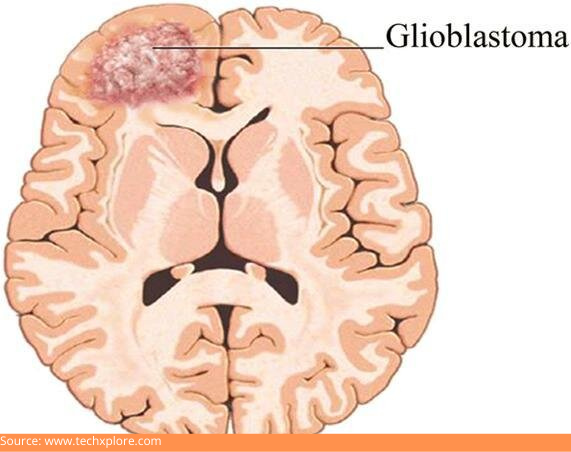
D:\Digicore\UNOSEARCH\Dr Mohana Rao Neurosurgeon Guntur\All About Glioblastoma\Source Gioblast.jpg

Glioblastoma or glioblastoma multiforme (GBM) is a condition that strikes unexpectedly, usually with a sudden seizure or some days of headaches that get worse each day. It is cancer that can develop in your brain or spinal cord and is very destructive. Glioblastoma originates from astrocytes, which are cells that support your nerve cells.

This cancer can strike anyone at any age, but it affects older people more frequently. It can induce headaches, seizures, nausea, and vomiting that worsen with time.

What Are The Symptoms Of Glioblastoma?

D:\Digicore\UNOSEARCH\Dr Mohana Rao Neurosurgeon Guntur\All About Glioblastoma\Source Symp.png

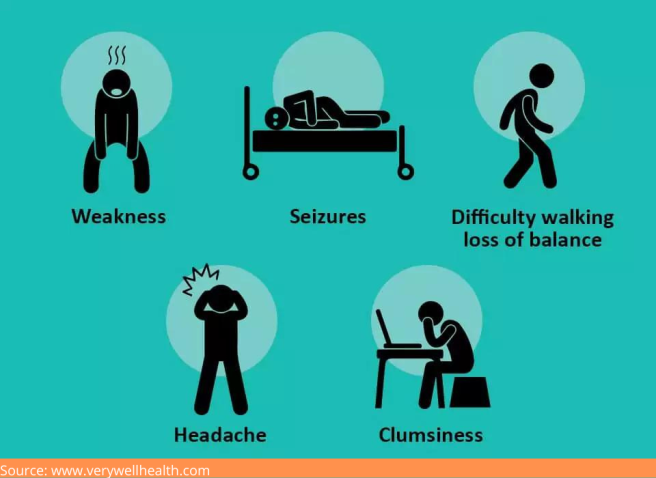
Symptoms of GBM usually appear suddenly. As the tumor grows, it exerts pressure on your brain, resulting in:

  • Hazy or blurry vision
  • Headaches, which become more and more frequent and severe
  • Appetite loss
  • Memory problems
  • Mood swings or changes in personality
  • Weakness in the muscle, and trouble walking
  • Nausea and vomiting
  • Seizures
  • Speech difficulties
  • Numbness or tingling

If you have noticed any of the above symptoms, please consult with Dr. Mohana Rao, among the best neurosurgeons in Andhra Pradesh, to find out what may be causing it.

What Can Cause Glioblastoma?

Despite various studies and research, experts do not know why some people develop malignant brain tumors, including glioblastoma.

However, some risk factors have been observed and understood.

Who Is At Risk Of Glioblastoma?

GBM most typically affects persons between the ages of 45 – 70. Although men are at a little higher risk than women, the disease affects people of all genders and ages.

These variables may put you at a higher risk:

  • Exposure to chemicals like petroleum, synthetic rubber, pesticides, and vinyl chloride
  • Genetic tumor-causing disorders like neurofibromatosis (tumors that form in your nervous system), Turcot syndrome, and Li-Fraumeni syndrome (both of which are rare genetic disorders increasing the risk of cancer in your brain and spine)
  • Radiation therapy to the head had previously been used

How Is Glioblastoma Diagnosed?

There are several ways to diagnose a brain tumor, including-

Neurological exam:

Your doctor will discuss what changes you have observed, and experienced. He might examine your eyesight, hearing, coordination, reflexes, balance, and strength, among other things. Problems in any of these areas could indicate which section of your brain is being impacted by the tumor.

Imaging tests:

Imaging tests can enable your doctor to figure out where your brain tumor is and how big it is. Brain tumors are frequently diagnosed with MRI, which may be combined with specialized MRI imaging, like functional MRI and MRS (magnetic resonance spectroscopy).

The specialist may also conduct other imaging tests like CT scan (computed tomography) and PET (positron emission tomography).

Biopsy:

Depending on your situation and the position of your tumor, a needle biopsy can be performed before or during the surgery to remove some glioblastoma tissue. A laboratory examines the sample of suspicious tissue to assess the sort of cells present and the level of their aggressiveness.

The specialist can conduct specialized tests of the extracted tumor cells to determine and understand their mutation types. The types of mutation the cells have developed can provide information about the severity of your condition and the best treatment option.

If you suspect that the recent changes you have been undergoing are related to a brain condition, please visit Dr. Rao’s Hospital. It is among the leading neurology hospitals in Guntur with cutting-edge technology and sophisticated equipment. 

What are the treatment options available?

Glioblastoma is a cancer that is very hard to treat and often incurable. Treatments may help to decrease the growth of cancer and alleviate symptoms.

The primary treatment is surgery during which your neurosurgeon will operate and work on removing as much of the cancerous tissues as possible. Glioblastoma cannot be completely removed because it develops into normal brain tissue. As a result, the majority of patients undergo further treatments following surgery to address the leftover cells.

However, some people cannot undergo surgery due to health issues or the location of the tumor. In such cases, radiation therapy and chemotherapy will be the primary treatment.

The treatments for GBM include:

Radiation Therapy:

Radiation therapy employs high-energy beams such as protons or X-rays to damage the cancer cells and stop their growth. 

IMRT (Intensity-modulated radiation therapy):

IMRT enables the targeting of radiation to the tumor while limiting the exposure to healthy brain tissue in the surrounding area.

Stereotactic radiosurgery:

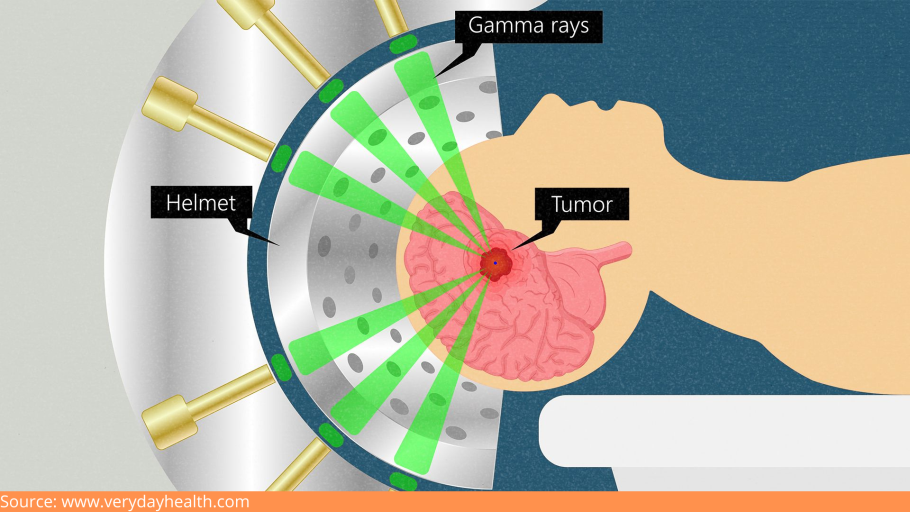
Stereotactic radiosurgery ( or gamma knife radiosurgery) is an advanced form of radiation therapy. This therapy uses highly focused X-ray beams to precisely target the tumor, resulting in minimal harm to healthy tissues. Providers may apply this approach when GBM increases after going through initial IMRT.

D:\Digicore\UNOSEARCH\Dr Mohana Rao Neurosurgeon Guntur\All About Glioblastoma\Source stereo.jpg

Targeted Drug Therapy:

Targeted medications target the specific defects in cancer cells that allow them to develop and flourish. The medicines focus on those abnormalities and cause them to die.

Chemotherapy:

Chemotherapy is a treatment that uses medications to kill cancerous cells. Fine, circular wafers filled with chemotherapy medicine could be inserted into your brain during the surgery in some cases. The slowly dissolving wafers release the medication to kill the cancer cells.

TTF (Tumor treatment fields):

TTF entails putting adhesive pads on your scalp. The pads are wired to a handheld device that produces an electrical field that disrupts the ability of tumor cells from multiplying.TTF is used in conjunction with chemotherapy and can be administered following radiation therapy.


What Is The Outlook Or Prognosis For Glioblastoma Patients?

GBM is a malignancy that is aggressive and difficult to treat. Suitable treatments help to reduce symptoms, make you more comfortable, and help you live longer. The condition does not have a cure yet but many clinical trials are being conducted to develop newer glioblastoma therapies. 

The average life expectancy is 15 months, with about 25% of patients surviving after 2 years and 7% for 5 years.

Conclusion

D:\Digicore\UNOSEARCH\Dr Mohana Rao Neurosurgeon Guntur\All About Glioblastoma\Source Caring.jpg

It can be tough to discover that you have GBM. The disease spreads swiftly, making therapy difficult. GBM researchers are still looking for novel ways to treat it. For the time being, treatments can help you manage your symptoms and enhance the quality of your life. 

It is critical to understand that there was nothing you might have done or avoided that would have led to the development of a brain tumor in you or someone you love.

Do watch out for any sudden behavioral changes or discomforts that you feel, or are expressed by a loved one. The faster you address the symptoms, the faster the treatment can begin to alleviate discomfort. 

Please schedule an appointment and seek medical attention from Dr. Mohana Rao, a top-notch neurosurgeon in Guntur, Hyderabad. Known for his integrity, professionalism, and expertise, he is passionate about improving the quality of people’s lives.

Biplane Cath Lab - cerebral-angiography-the-best-at-dr-raos-guntur

Causes, Prevention and The Best Treatment of Cerebrovascular Disorders

Causes, Prevention and The Best Treatment of Cerebrovascular Disorders

A stroke, also known as a brain attack, occurs when the brain’s blood supply is cut off, depriving the brain of oxygen and causing brain cells to die. When cells die, the damaged part of the brain loses control of whatever part of the body it controls. It affects people of all ages, genders, and races. It is the leading cause of disability.

Although stroke is a brain disease, it can impact the entire body. The consequences of a stroke are determined by which section of the brain is affected and how serious the injury is. 

Some of the common disabling symptoms of a stroke are:

  • Paralysis or issues controlling movement. 
  • Sensory abnormalities, including pain. 
  • Problems using or comprehending language. 
  • Problems with thinking and memory. 
  • Emotional disturbances. 

Stroke can have fatal consequences. Thanks to innovative and sophisticated procedures and therapies, life-long impairment or death is no longer addressed.

At Dr. Rao’s Hospital, one of the best neurology hospital in Guntur, Andhra Pradesh, highly qualified and experienced neurosurgeons collaborate to ensure that patients receive the care they require, whether it’s urgent care, brain surgery, cutting-edge diagnostics and treatment, cutting-edge clinical trials, or rehabilitation.

Because time is of the essence when treating stroke, our emergency department teams are prepared to deliver immediate, high-quality, and best stroke and cerebrovascular treatment in Andhra Pradesh. We also have a rapid response team that assesses patients and initiates particular procedures to determine the etiology of the stroke.

Now, let’s know,

What Causes a Stroke?

High blood pressure (hypertension): 

Itis a primary cause of stroke.

Vascular diseases: 

Vascular illnesses, such as clogged arteries, heart valve malfunction, irregular heartbeat, heart infection, and heart abnormalities, can lead to strokes, especially in the elderly.

Smoking or chewing tobacco: 

Smoking can cause several health problems, including fatty deposits in the neck artery, high blood pressure, and blood thickening. Blood clots in the blood vessels can result due to this. Even exposure to second hand smoke can put you at risk for a stroke.

Obesity: 

Being obese or overweight increases the risk of having a stroke.

Diabetes: 

Obesity, high blood pressure, and diabetes are all variables that increase the chances of stroke.

Family history: 

Family genes can also increase the chance of stroke, heart attack, or other major risk factors such as diabetes or high blood pressure.

Now, let’s know more about,

Acute Treatment Strategies for Stroke

If someone has a stroke, they should seek emergency medical attention from a neurologist in Guntur. You can be treated for a stroke with treatments like mechanical thrombectomy.

Neurosurgeons in Guntur use the following equipment to perform mechanical thrombectomy to remove blood clots.

1. Stentriever Mechanical Thrombectomy

A stentriever is the most recent mechanical device. A self-expanding mesh tube is linked to a wire-guided through a catheter (thin tube). The surgeon places the catheter in a groin artery and guides it through numerous blood channels until it reaches the blood clot in the brain.

2. Aspiration Thrombectomy 

Manual cluster yearning or the use of catheter equipment to suck the coagulation out of the vessel are both used in aspiration thrombectomy.

Now, let’s see,

Procedure of Mechanical Thrombectomy

Mechanical thrombectomy is a procedure used to remove blood clots. Neurosurgeons remove blood clots using a vacuum or mechanical gear in mechanical thrombectomy. Therefore, the blood flow is restored, and the stroke is cured.

To achieve the finest results, it’s best to seek mechanical thrombectomy treatment from the best neurology hospital in Guntur.

What are the Advantages of Mechanical Thrombectomy?

  • Mechanical thrombectomy treatment allows patients to recover from a stroke within a 24-hour window following the commencement of the stroke. This will assist more individuals in recovering from stroke and avoiding the adverse effects of stroke. 
  • For patients who have had a stroke, mechanical thrombectomy offers a gleam of hope. Mechanical thrombectomy provides them hope and bravery in their battle against stroke. It resurrects their long-dead hopes and gives them the strength to battle stroke. It is a potent tool that aids patients in overcoming dangerous strokes.
  • Mechanical thrombectomy also speeds up the recovery of patients with stroke. Though mechanical thrombectomy is a valuable technique for treating stroke, it is only available at a few neurology hospitals in Guntur.

Let’s discuss,

Stroke Prevention Strategies

Regardless of family history or age, there are several steps one can take to reduce the risk of having a stroke:

1. Keeping an eye on the blood pressure

One of the leading causes of stroke is high blood pressure. To improve vascular health, an individual should regularly monitor blood pressure and treat it if it rises.

2. Keeping weight in check

Obesity is connected to comorbidities such as diabetes and hypertension, which increase the risk of a stroke. Reduce your calorie consumption and increase your physical activity. Consult your doctor to develop a personal weight-loss plan that works for you.

3. Regular exercise is essential

Daily exercise will help you stay in shape and better control your weight and blood pressure, minimizing your risk of stroke.

4. Avoiding smoking and consuming alcohol

Smoking increases plaque build-up and blood thickening in the neck arteries, which can lead to clotting. Drinking increases the risk of stroke by causing high blood pressure, diabetes, obesity, liver damage, and various other disorders. Reduce your risk of stroke by eating a healthy diet and quitting smoking. In addition, if you consume alcohol, do it in moderation.

5. Keeping an eye on the blood sugar level

Exercise, drugs, and a balanced diet can all help you keep track of your blood sugar levels. Diabetes can cause blood arteries to rupture and clot inside them over time.

Consult our expert neurosurgeons at Dr. Rao’s Hospital if you need cerebrovascular disease treatment or a stroke specialist in Andhra Pradesh.

the best Head-Injury treatment in andhra Pradesh by Dr Rao at Dr Rao's hospital

Head Injury Precautions and Treatments

Head Injury Precautions and Treatments

A knock on the head and a skull fracture are all examples of head injuries. Some severe head traumas might result in brain damage or even death.

Knowing the signs and symptoms of a concussion and some basic first aid can help individuals respond promptly to a head injury, decreasing the risk of consequences. In a recent India today article.

Dr. Rao’s hospital in Guntur has successfully performed many head injury surgeries. It is one of the most renowned and best neurology hospitals in Guntur, with expertise over the years.

Types

There are different types of brain injuries, each of which can be more or less devastating.

 Traumatic brain injury (TBI) occurs when the brain is damaged, usually as a result of an accident. TBI can occur when an object hits a person’s head or when an object enters the brain through the skull.

 A high-velocity ball that hits the head, a massive fall to the head, or a gunshot wound are examples.

Shaking the head vigorously can also cause SHT because the brain can jump or spin in the skull. Whiplash is a common cause of these injuries.

Traumatic brain injury (TBI) is damage to the brain that frequently results in blood clots or bruises. An intracranial hematoma (ICH) is a blood clot in the brain. Depending on its size and location in the brain, the ego can be moderate or heavy.

A concussion is a type of traumatic brain injury (TBI) in which the brain temporarily ceases to function normally. Concussion symptoms are usually not severe or long-lasting, but they can be bothersome.

The brain is protected by the skull, which is formed of thick, sturdy bone. A powerful strike, on the other hand, has the potential to crack or break the skull.

An open head wound, or a penetrating head wound, occurs when the skull is fractured and a bone or other item pierces the brain.

When should you see a doctor?

Both moderate and severe head injuries require medical attention right away. If the symptoms of a mild head injury persist for more than two weeks, get medical help.

The signs and symptoms of a concussion do not usually show right away. A person’s symptoms may appear days or weeks after an incident.

Always proceed with caution while dealing with a head injury. Even after a minor mishap, if someone is worried about their symptoms, they should see a doctor.

First aid and treatment

Mild head injuries are frequently treated at home. Swelling can be reduced by applying a cold pack to the affected region.

Tylenol can also be used, but non-steroidal anti-inflammatory medications (NSAIDs), such as ibuprofen and aspirin, should only be used if a doctor has prescribed them. Someone should check on a person periodically over the first 24 hours following a moderate head injury.

It is critical to seek medical attention if a person loses consciousness or exhibits indications of disorientation or memory loss.

After a brain injury, a person should avoid using drugs or alcohol, driving, or participating in contact sports. They may have to miss work or school.

Severe head injuries necessitate medical care right away. Anyone who encounters someone with severe head injury symptoms should dial 9010056444 or their local emergency number.

It is advisable not to move a person who has suffered a severe head injury to prevent aggravating their ailments. It’s also not a good idea to try to take someone’s helmet off if they’re wearing one.

Severe head injuries frequently require hospitalization, surgery, or long-term care.

Prevention

Although avoiding head injuries is not always feasible, specific actions may be taken to decrease the risk. These are some of them:

  • When in a car, wear a seatbelt
  • When cycling or riding a motorcycle, you should always wear a helmet.
  • when practicing contact sports, take safety precautions

Because a brain injury can have long-term repercussions, it’s critical to take measures wherever possible.

Dr. Rao’s Contact Information:

Your brain and spine health with keyhole surgery

The best Keyhole Neurosurgery-All You Need to Know

Open surgery comes with various complications.

But these complications can now be avoided!

How?

By performing keyhole neurosurgery!

The concept of keyhole surgery is the safe removal of brain and skull base cancers through tiny holes that cause less collateral harm to the scalp, brain, and nerves. The best neurologist in Guntur performs keyhole neurosurgery, which is effective and painless. Keyhole neurosurgery allows patients to avoid the risks of open surgery. This procedure prevents needless surgical site investigation and brain retraction by minimizing the anatomic window and adequately exposing the lesions. According to mid-day

The process, kinds, and benefits of keyhole neurosurgery are discussed in this article.

What is keyhole neurosurgery,, and how does it work?

In keyhole surgery, a neurosurgeon at Rao Hospital Guntur will make a small incision in the location where the surgery will be performed. A light stick called an endoscope with a high-resolution camera is put into this opening. The device has an eyepiece that the neurosurgeon may look through. The camera sends photographs to your neurosurgeon in Guntur, and the light illuminates the inside of the channel. Delicate surgical equipment is inserted via another similar incision, and your neurosurgeon uses it to cut or amputate the tumor.

You will be unconscious for the length of the surgery because a general anesthetic will be used.

What are the different types of keyhole neurosurgery procedures?

The best neurology hospital in Guntur does the following keyhole neurosurgeries:.

  1. Keyhole brain surgery:

In this procedure, a hole is formed above the brows. Your neurosurgeon in Guntur can also insert an endoscope through the mouth. The following people are candidates for keyhole brain surgery:

  • Those with pituitary tumors:

A pituitary gland tumor is a collection of abnormal cells that have grown out of control in your pituitary gland.

  • Those diagnosed with Glioma

Glioma is a cancer that affects the brain and spinal cord.

  • Those diagnosed with chordoma or meningioma

Chordoma is an uncommon kind of bone cancer that most commonly affects the spine or skull bones. It usually appears where the skull sits atop the spine (skull base) or at the bottom of the spine (spine base) (sacrum). Conversely, a meningioma is a tumor that develops from the meninges, the membranes surrounding your brain and spinal cord.

2• Keyhole spinal surgery:

 Typically, open operations are used to treat spinal disorders. However, this procedure causes tears in the tissues of the spine. This condition can be solved with keyhole spinal surgery. A tubular retractor is used in keyhole spinal surgery to drill a hole in the spine while holding the muscles apart without causing a rupture. The following people are the best candidates for keyhole spinal surgery: –

  • Those with disc issues:

Disk issues cause discs to break down, causing excruciating discomfort. Herniated discs and degenerative disc disease are two common disc issues.

  • Those who have bone spurs on their spine:

Bone spurs indicate spinal degeneration and signify an expansion of the bony structure.

  • Those who suffer from spinal instability:

“Spinal instability” was coined to describe abnormal movement between vertebrae. When a disc degenerates, it loses tension or turgor, which allows the disc to bulge and allow more movement between the vertebrae.

What are the benefits of keyhole surgery in neurosurgery?

The following are some of the benefits of keyhole neurosurgery:

  1. • They lessen the chances of an infection developing at the operation site.
  2. • Healing time is reduced.
  3. • Keyhole neurosurgery avoids damaging the surrounding tissues and blood vessels.
  4. • Improved cosmetic outcomes

Conclusion

I hope this article has helped you understand keyhole neurosurgery, its types, procedures, and benefits. Keyhole surgery is a boon that overcomes the various complications of open surgery. Keyhole neurosurgery comes with multiple benefits. It decreases the risk of infections in the area of surgery and prevents the tissues from getting damaged. The healing time is also faster in keyhole neurosurgery, leading to better cosmetic results.

The top neurosurgeon in Guntur performs keyhole neurosurgery with great care and caution and has successfully performed many keyhole neurosurgeries.

So, visit the top neurosurgeon in Guntur right now to benefit from keyhole neurosurgery!

Dr. Rao’s Contact Information:

Unlocking the Gut-Brain Axis: Enhancing Brain Function with Dr. Rao

Physical symptoms of Depression


Physical symptoms of depression: Dr. Rao at Dr Rao’s Hospital

Physical Symptoms of Depression is a mood disorder, and it disrupts a person’s routine life. Depression is becoming common for people in Guntur. They look for the best neurology hospital in Guntur to solve their condition. They find Rao Hospital Guntur effective in solving their condition. The hospital has successfully treated several patients with depression. Do you want to know whether you have depression or not? Here, we have discussed physical symptoms that lead to depression. Continue reading to learn more.

  1.  Sleep Problems

Depression can harm your physical and mental health. Specific individuals with depression are perpetually sleepy and tired.

2. Chest Pain

Various conditions can cause pain in the chest, including digestive tract issues, lung, and other difficulties. Chest pain is not the only sign of this condition. It can also indicate anxiety, panic attack, or depression. First and foremost, consult with a cardiologist.

Depression increases the likelihood of developing heart disease. Patients who have had a heart attack are more likely to suffer from depression.

3. Exhaustion and Fatigue

Despite getting enough at night, you still feel tired, lethargic, and sluggish the whole day. Such experiences can be a warning sign of depression. Depression and fatigue can occur at the same time, making your condition severe.

4. Joints and Muscles Aching

Have you been suffering from chronic discomforts, such as joint pain, muscle aches, and headaches? These are the signs of depression. Further, ongoing pain can increase depression risk.

If you suffer from chronic pain, you may also suffer from depression or anxiety. Both painful conditions and depression share chemical messengers in your brain. Depressed people are three to four times more likely to suffer from pain every day.

5. Digestive Issues

Conditions like chronic migraines can lead to Nausea, vomiting, and stomach pain. Similarly, if you are overly anxious, terrified, or depressed, you may face the same conditions. This is because our digestive system and brain are closely associated.

6. Back pain

It is possible to develop impatience, restlessness, anxiety, and depression if you suffer from back pain consistently. Furthermore, those depressed individuals are four times more likely to suffer from significant, crippling neck and back pain – notably lower back pain – than the general population.

7. Restlessness and Irritation

Restlessness, irritation, and agitation are some of the most noticeable signs of depression. When it comes to depression, men are more prone than women to experience this type of problem. Sleep issues, such as insomnia and restless leg syndrome, are common among those suffering from depression. People who suffer from sleep disorders are more prone to be disturbed or restless than those who do not.

8. Sexual Difficulties

People who are depressed may experience a loss of interest in sex. You may experience ejaculatory difficulties, erectile dysfunction, and poor sex performance. Antidepressant drugs can affect libido and sex drive. Additionally, they affect the ejaculation process—the drugs make it premature or too long. Hence, if you are taking anti-depressants, speak with your doctor about the proper medication to consider. Low testosterone levels are associated with depression as well.

How can you improve Physical Symptoms of Depression?

Exercise

There is no simple guideline or prescription that shows that exercise can help overcome depression. Still, it allows you to reduce the symptoms if you exercise for an extended period. Further, substantial research has shown that frequent exercise enhances mood, lowers pain sensitivity, and makes you feel good. Your brain releases healthy chemicals when you exercise.

Remember! Returning from the ramp to the couch can be challenging for people who are depressed. Getting the energy to exercise is challenging, but exercising helps you feel less tired.

To sum it all up,

It is difficult to recognize the symptoms of body depression when you are not suffering from depression. Hence, many people seek relief from muscular and joint pain through medications. They address their symptoms rather than the underlying reason for their symptoms, which is depression.

So, visit the best neurologist hospital in Guntur to solve your condition.

Dr. Rao’s Contact Information:

Craniosynostosis

Craniosynostosis- All you Need to Know

Have you seen a baby with an abnormally shaped skull in Guntur?

If so, they are likely to have craniosynostosis. Craniosynostosis is when a baby develops or is born with an abnormally shaped skull.

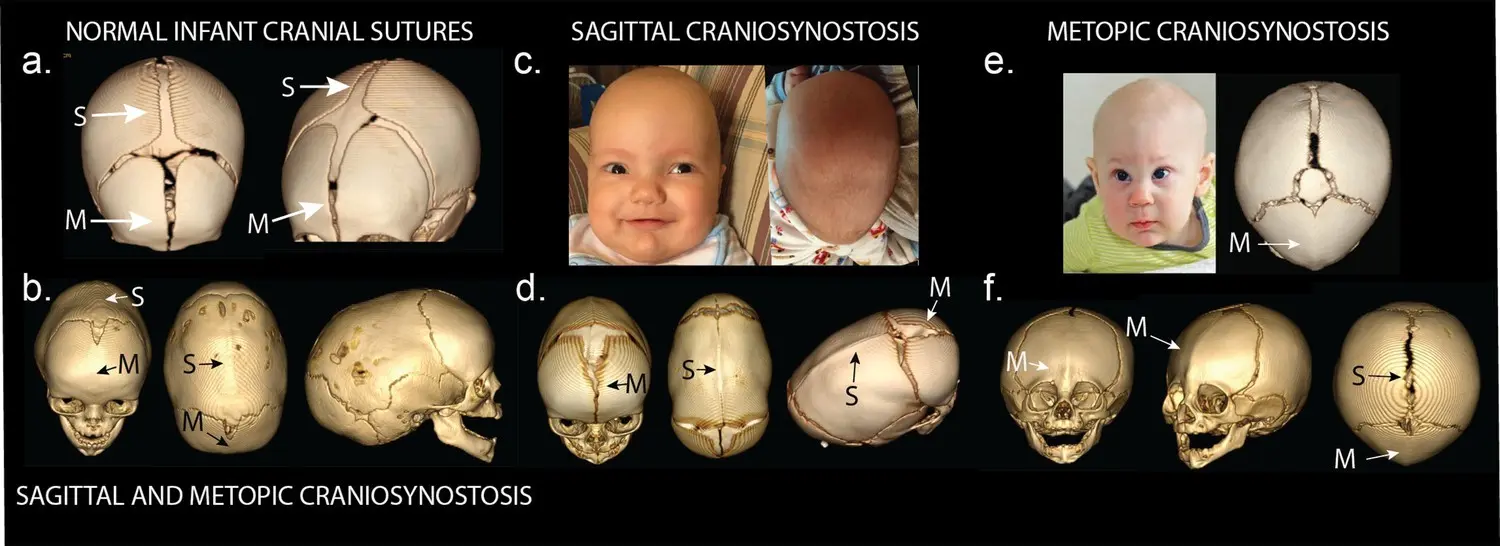
This happens when the natural spaces known as cranial sutures in the baby’s skull join earlier than they should.

The sutures should usually be joined only after the child reaches 2. This allows the brain to develop without any pressure from the skull.

Craniosynostosis affects the shape of the skull and the self-esteem of children. An odd-shaped head makes them feel odd and uncomfortable. They feel excluded from the rest of the crowd. It makes them feel lonely and isolated. They start feeling ashamed of their heads and ashamed of themselves.

But there’s a solution for this. Children with unusually shaped skulls no longer need to feel ashamed of their heads or themselves. They no longer need to feel excluded from the crowd. They no longer need to feel sad and isolated. Because there are treatment options available for craniosynostosis, by getting treatment for Craniosynostosis from the best neurology hospital in Guntur, one will not only get rid of craniosynostosis but also replace their isolation with happiness and shame with pride and confidence. They will no longer feel apart but will feel a part of society.

This article discusses craniosynostosis’s types, symptoms, causes, and treatment options.

First, let us understand the types of craniosynostosis.

What are the different types of craniosynostosis?

The different types of Craniosynostosis are as follows:

Sagittal synostosis

  • The sagittal suture, which runs along the top of the skull, unites relatively early in this condition. The head grows taller but narrower than it should in this kind of Craniosynostosis. Boys are more likely to experience this.

Coronal craniosynostosis

• The sutures that connect the top of the head to the ears fuse sooner than they should in this case. The kid will have a flat forehead if he or she has this form of Craniosynostosis. Girls are more likely to experience this.

Synostosis metopic

• The sutures that connect the sagittal suture to the nose fuse quite quickly. As a result, the scalp develops a triangle shape.

Synostosis of the lambdoid

This type of craniosynostosis affects the lambdoid suture at the back of the skull, forming a flat-topped head.

The best neurologist in Guntur can treat the types as mentioned above of craniosynostosis.

What are the symptoms of Craniosynostosis?

The common symptoms of Craniosynostosis are as follows:

  • An unusually shaped skull
  • The head grows slower than the body
  • Formation of a hard ridge along the suture.
  • The fontanel disappears soon.

If you experience any of the above symptoms of cranial synostosis, it is advisable to seek help from Rao Hospital in Guntur.

What are the causes and risk factors of Craniosynostosis?

Craniosynostosis can be either syndromic or nonsyndromic. Syndromic Cranial Synostosis occurs with other birth defects. With Cranial Synostosis, changes may be in genes that further affect different parts of the body, like fingers, heart, etc. Cell defects in the sutures may be the cause of Nonsyndromic Cranial Synostosis, which causes the sutures to fuse earlier than usual.

The following are the risk factors of craniosynostosis:

  • Taking valproic acid-like Depakote for epilepsy at the time of pregnancy may increase the risk of giving birth to a child having Craniosynostosis.
  • Babies whose mothers have thyroid disease or undergo thyroid treatment during pregnancy are more likely to be born with Craniosynostosis.
  • Babies whose mothers took fertility medicines like clomiphene citrate during pregnancy are more likely to be born with Craniosynostosis.

What are the treatment options for treating Craniosynostosis?

Surgery is an effective treatment option for cranial Synostosis. Best neurologist in Guntur can perform the surgery.

There are usually two types of surgeries that are preferred to treat Craniosynostosis. They are as follows-

• Conventional surgery:

In Guntur, a neurologist and a craniofacial surgeon perform the procedure. The neurosurgeon makes an incision across the top of the baby’s scalp and removes any sections of the skull that are out of form. The craniofacial surgeon then restores and replaces these pieces of the skull in the head. After that, stitches are applied. The doctor will later monitor the development of the skull.

• Endoscopic Surgery

In this procedure, your doctor in Guntur makes two small incisions in the scalp and uses an endoscope to cut the sutures. This procedure should be performed before the baby reaches the age of three months. After the treatment, wearing a molding helmet is recommended to allow your head to grow into its correct form.

It is essential to get timely treatment for Cranial Synostosis from the best neurosurgeon in Guntur to avoid further complications. If Cranial Synostosis is left untreated, the skull will continue to develop in an unusual manner, which may lead to additional complications and problems such as vision problems, etc. In a recent India today article.

Conclusion

This article explains craniosynostosis, its symptoms, causes, and treatment options. It is advisable to get proper and timely treatment for craniosynostosis from the best neurology hospital in Guntur to avoid further complications, to feel a part of the crowd and not feel apart from the crowd, and to develop a feeling of oneness and not feel different and odd! It is essential to get timely treatment for Craniosynostosis to replace discomfort with self-worth and self-esteem.

Dr. Rao’s Contact Information:


the best migraine treatment in Andhra Pradesh at Dr Rao's Hosptial by Dr Rao

Migraine – Symptoms, Signs, Causes, Types, and Treatment

Migraine – Symptoms, Signs, Causes, Types, and Treatment

Migraine is a neurological disease that is common in people of Guntur. In migraines, people experience severe headaches. Vomiting and nausea are common side effects of headaches. In migraines, one may also experience sensitivity to sound and light, problems in speech, etc. Migraine can occur in any age group. If you have migraine problems running in your family, it is more likely you will also experience migraines. In case you experience migraine headaches, it is advisable to visit Rao hospital Guntur, which is one of the best neurology hospitals in Guntur. This article discusses migraine symptoms, causes, types, and treatment.

What is a migraine?

Migraine is a neurological condition in which one experiences severe headaches, nausea, and vomiting. One may also experience sensitivity to light and sound. Migraine is more common in women than men. The most common migraines are migraines with aura and without aura. We will study each of them in detail later in the article.

What are the common signs and symptoms of migraine?

Migraine occurs in stages. The symptoms of migraine may differ depending on the stage.

Prodrome stage:

In this stage of migraine, symptoms are experienced a few days before the headache starts. The common symptoms experienced in this stage include the following-

Increased hunger

Tiredness

Stiffness in the neck

Feeling depressed

Aura:

This occurs after the prodrome stage. The common problems experienced in this stage include the following-

Problems in speaking

Vision problems

Sensation problems

Attack:

In this phase, a severe headache is experienced. The common symptoms in this stage include the following-

Nausea

Vomiting

Very severe pain in your head

Sensitivity to light and sound

Postdrome Phase:

The following symptoms characterize this phase-

Extreme mood swings

Headaches

If you experience any of the above symptoms, you should visit the best neurologist in Guntur immediately for proper treatment. When left untreated, migraines may become severe and last longer.

What are the possible causes of migraine?

The actual cause of migraine is not yet known. However, certain risk factors may lead to migraine. Some of them are as follows-

  • Changes in weather
  • Less water intake in the body
  • Hormone changes
  • Increased stress
  • Irregular eating schedule and skipping meals
  • Improper sleep
  • Specific medications
  • Smoking and alcohol

Your neurologist may ask you in Guntur to keep a record of the things that you ate or the medicines you took before the onset of your migraine. This may help identify the triggers that lead to migraines and thus avoid them to reduce and treat them. According to dnaindia

How can migraines be diagnosed?

Doctors in Guntur can diagnose migraines by examining symptoms, medical conditions, and family history. Various tests are used to diagnose migraines.

What are the different types of migraines?

The following are the different types of migraine seen in people of Guntur

Migraine without Aura:

This is one of the most common types of migraine. People with this type of migraine have had at least five attacks that have these characteristics:

Headaches lasting for 4-72 hours if timely treatment is not provided.

Moderate or severe headache on one side of the head

Headaches accompanied by sensitivity to light and sound and nausea.

Migraine with Aura:

This is also one of the common types of migraine. People with this type of migraine have had at least 2 attacks that have these characteristics:

Vision problems

Speech problems

Vertigo

Sensory problems

Chronic migraines:

People with chronic migraines experience severe headaches. They may also experience the following-

Depression

Other medical problems

Other chronic pain

Acute migraines:

This type of migraine is not chronic. People experience less severe headaches than chronic migraines in this type of migraine.

There are other types of migraines, such as an optical migraine(affects one of the eyes), Acephalgic migraine(migraine with no headaches), hormonal migraines(caused by changes in hormones like estrogen), abdominal migraine(experiencing stomach-ache), among others.

How to treat migraines?

Migraine is a very fatal condition. So, there are treatment options available to treat migraines. Migraines can’t be completely cured, but these treatment options can help control and reduce migraines to a great extent.

  • Lifestyle changes include proper sleep, regular exercise, stress management through yoga and meditation, avoiding triggers that lead to migraine attacks, and drinking plenty of water.
  • Medications like NSAIDs, Triptans, and CGRP analogs Are superior.
  • Surgical interventions
  • Acupressure and acupuncture also help treat migraines
  • Home remedies like lying in a quiet, dark room and placing a cold cloth over your head may also help.

It is advisable to visit a specialist in Guntur in case you experience severe migraine headaches to get proper treatment and to manage your migraines.

Conclusion

This article helped us understand migraines’ symptoms, causes, types, treatments, etc. Regular exercise, drinking plenty of water, and managing stress through yoga and meditation can help greatly in controlling and managing migraines. If you experience severe migraine headaches, kindly visit a neurologist in Guntur immediately to get proper treatment and relief from the severe headache that hinders you from performing your day-to-day activities.

Dr. Rao’s Contact Information:

Your health and well-being are our top priorities. For the best migraine care, trust in the expertise of Dr. Rao and the other leading neurosurgeons in India.

the best Hydrocephalus-treatment at Dr Rao's Hospital by Dr Rao blog

Hydrocephalus- All you need to know

Hydrocephalus: All you need to know

Various illnesses and diseases have an impact on the brain. This article discusses a type of brain condition known as ‘Hydrocephalus.’

What is Hydrocephalus, and how does it affect you?

We may deduce from the name that it relates to water/fluid because it contains the word hydro.

Yes, Hydrocephalus is a condition in which the brain has excess water. It is a disorder in which the brain accumulates too much cerebrospinal fluid, causing increased pressure in the skull. The tissues that line the brain’s ventricles produce cerebrospinal fluid. The fluid travels around the brain and spinal column, filling gaps. It’s absorbed chiefly via blood vessels in tissues around the brain’s base.

Cerebrospinal fluid is necessary because it eliminates waste products from the brain’s metabolism and allows the brain to float within the skull. However, too much of this fluid is damaging to the brain, resulting in disorders like Hydrocephalus. But don’t worry, Hydrocephalus can be treated with therapy from the best neurology hospital in Guntur.

Who is at risk for Hydrocephalus?

Hydrocephalus is more common in infants and those over the age of 60.

What are the signs and symptoms of Hydrocephalus?

The signs and symptoms of Hydrocephalus differ depending on the age at which it develops.

The following are some of the most prevalent symptoms of Hydrocephalus in infants:

  • Head size changes, such as a sudden increase in the size of the head
  • Nausea and vomiting
  • Feeling sleepy
  • Downward-looking eyes
  • Lack of sensitivity to touch
  • Inadequate development

The following are some of the most prevalent symptoms of Hydrocephalus  in older children:

  • You have a headache.
  • Visual impairment
  • Feeling sleepy
  • Nausea and vomiting
  • An abnormal increase in the head’s size
  • Appetite loss.
  • Changes in personality
  • Issues with speaking, walking, and other activities
  • A poor academic record

The following are some of the most prevalent Hydrocephalus symptoms in young and middle-aged adults:

  • You have a headache.
  • Tiredness and sluggishness
  • Visual impairment
  • Issues with balance
  • Issues with memory

The following are some of the most prevalent symptoms of Hydrocephalus  in elderly adults:

  • Urge to urinate regularly
  • Issues with memory
  • Issues with balance
  • Walking difficulties

Please see a neurologist in Guntur if you have any of the above-mentioned symptoms. Numerous therapies and facilities are available in Guntur to treat such illnesses.

We now have a better understanding of the symptoms that people with hydrocephalus encounter. Let’s now look at some of the most common causes of hydrocephalus.

What causes Hydrocephalus, and how may it be treated?

An increase in CSF fluid in the ventricles causes Hydrocephalus. The following factors can induce an excess of cerebrospinal fluid in the ventricles:

A blockage in the flow of cerebrospinal fluid from one ventricle to other areas of the brain causes hydrocephalus.

Problems with Absorption: One of the most common causes of Hydrocephalus is poor cerebrospinal fluid absorption.

Hydrocephalus is caused by excessive cerebrospinal fluid production, which is greater than the absorption rate.

Some factors enhance the risk of developing Hydrocephalus. The following are a few of them:
  • Tumors of the brain
  • A head injury causes bleeding in the brain.
  • Other types of traumatic brain damage
The following are some of the reasons that may cause Hydrocephalus in newborns:
  • The abnormal development of the central nervous system causes a blockage in cerebrospinal fluid flow.
  • Bleeding in the ventricles

Hydrocephalus Treatment

Hydrocephalus can be treated effectively with the help of experts in Guntur. In the case of severe Hydrocephalus, however, there may be severe consequences. The severity of the initial symptoms, how long it takes to diagnose and treat the condition, and other factors all affect the severity of complications.

Final Thoughts

This article helped us understand hydrocephalus and who is at risk of developing it. It also taught us about the signs and symptoms of hydrocephalus, which vary depending on whether the patient is an infant, a kid, or an adult. We also discovered that cerebrospinal fluid production and absorption imbalances cause hydrocephalus. We also learned about the most prevalent cause of hydrocephalus and the difficulties that come with it.

On the other hand, Hydrocephalus can be effectively treated with no severe problems if treated promptly and adequately by a neurologist in Guntur. So, if you’re experiencing any of the hydrocephalus symptoms listed above, see a neurologist in Guntur immediately. “The sooner, the better,” as the saying goes. The sooner an issue is identified and treated, the better, as it decreases the severity of treatment-related consequences. As reported by ahmedabadmirror

In Conclusion

Choosing the right neurosurgeon for brain tumor treatment is crucial for ensuring the best possible outcomes. Dr. Rao at Dr. Rao’s Hospitals in Guntur and the other top specialists listed represent the pinnacle of expertise and compassionate care in neurosurgery. If you or a loved one are seeking treatment for a brain tumor, consider reaching out to these esteemed professionals. According to The Times of India coverage.

Contact Information:

Dyskinesia - the best treatment at Dr Rao's hospital, Guntur

Dyskinesia – All you need to know

Dyskinesia: All You Need To Know

Dyskinesia is an uncontrollable, spontaneous reaction. It can involve one portion of the body, such as the head or arm, or the whole body.

Dyskinesia can vary from mild to extreme and can be very painful. It can also make performing your everyday work challenging. It may also vary in terms of frequency and time of day.

If you are from Guntur and searching for a proper treatment for dyskinesia, you should visit Dr. Mohana Rao’s hospital, the best neurosurgeon in Guntur. 

Dyskinesia is a common complication of long-term levodopa therapy in people with Parkinson’s disease. Dyskinesia may also occur in conditions other than Parkinson’s disease, such as coordination disorders.

Now let us learn about the different signs and symptoms of dyskinesia:

The signs and symptoms of dyskinesia differ from person to person. They may be mild, with a slight head, arm, or leg twitch. They can also be severe, causing various body parts to move involuntarily. Dyskinesia can happen in a variety of ways, including:

  • fidgeting
  • boobing in head
  • restlessness
  • writhing
  • twitching 
  • the swaying of the body 

Dyskinesia is not the same as tremor but is common in Parkinson’s disease. 

Now let us see the reasons behind this:

The most frequent cause of dyskinesia is long-term use of the drug levodopa. Because of its efficacy, levodopa is the recommended drug for the treatment of Parkinson’s disease.

Dopamine levels in the brain rise due to the use of levodopa. A lack of dopamine-producing brain cells causes Parkinson’s disease. For those with Parkinson’s disease and other disorders involving reduced dopamine levels, levodopa increases the dopamine level. 

When you take levodopa, as per your neurologist in Guntur, the dopamine levels increase and then decrease as the drug wears off. Variations in dopamine levels are thought to be the source of dyskinesia’s spontaneous gestures.

Some antipsychotic drugs cause tardive dyskinesia, a form of dyskinesia.

Conditions that are related to dyskinesia:

Dystonia:

Dystonia and dyskinesia are often confused. Dystonia induces excessive muscle tightening rather than the involuntary movements of dyskinesia.

Dystonia is a drug complication. Low levels of dopamine, which are seen in patients with Parkinson’s disease, induce dystonia. Dystonia often affects the feet, vocal cords, hands, and eyelids. It often impacts only one side of the body.

Since levodopa causes dopamine levels to fluctuate, it can cause dystonia. Dystonia can occur as dopamine levels fall and the levodopa wears off. 

Tardive dyskinesia:

People with severe psychiatric disorders that need long-term antipsychotic therapy suffer from tardive dyskinesia. Since it induces repetitive gestures, tardive dyskinesia is similar to dyskinesia.

On the other hand, Tender dyskinesia typically affects the tongue, lips, jaw, or eyelids. The following repetitive gestures can be a sign of tardive dyskinesia:

  • licking your mouth repeatedly 
  • grimacing continuously 
  • blinking rapidly, 
  • puckering your mouth  
  • poking out your tongue

Now, let us see what the treatment for dyskinesia is.

Each person’s dyskinesia treatment needs to be unique. Any of the following considerations influence treatment:

  • The seriousness of the symptoms
  • When do the effects worsen (for example, when the levodopa wears off)?
  • Age
  • Amount of time on levodopa, and 
  • Time after getting a Parkinson’s diagnosis

Below are some possible recovery options:

  • Adjusting your levodopa dosage to prevent the significant fluctuation of dopamine levels in your bloodstream
  • You can use a continuous infusion or a sustained-release formulation of levodopa
  • Take amantadine extended-release (Gocovri), a well-approved treatment for tardive dyskinesia
  • valbenazine, a newly approved drug for tardive dyskinesia
  • Taking levodopa in smaller doses 
  • Take the levodopa 30 minutes before your meal 
  • According to your neurosurgeon in Guntur, exercising, such as walking and swimming, would be best.
  • It will help eliminate extra stress, which can harm you. 

Before starting the proper medication for you, discuss every detail about your treatment with the doctor.

When dyskinesia progresses, speaking with the doctor about the different treatments is essential. When you are first diagnosed with Parkinson’s, talk about the benefits and drawbacks of taking levodopa. It would be better for you if you could delay starting levodopa, as it increases the chances of dyskinesia.