Category Archives: Spine Surgery Treatment

Biplane Cath Lab - cerebral-angiography-the-best-at-dr-raos-guntur

Causes, Prevention and The Best Treatment of Cerebrovascular Disorders

Causes, Prevention and The Best Treatment of Cerebrovascular Disorders

A stroke, also known as a brain attack, occurs when the brain’s blood supply is cut off, depriving the brain of oxygen and causing brain cells to die. When cells die, the damaged part of the brain loses control of whatever part of the body it controls. It affects people of all ages, genders, and races. It is the leading cause of disability.

Although stroke is a brain disease, it can impact the entire body. The consequences of a stroke are determined by which section of the brain is affected and how serious the injury is. 

Some of the common disabling symptoms of a stroke are:

  • Paralysis or issues controlling movement. 
  • Sensory abnormalities, including pain. 
  • Problems using or comprehending language. 
  • Problems with thinking and memory. 
  • Emotional disturbances. 

Stroke can have fatal consequences. Thanks to innovative and sophisticated procedures and therapies, life-long impairment or death is no longer addressed.

At Dr. Rao’s Hospital, one of the best neurology hospital in Guntur, Andhra Pradesh, highly qualified and experienced neurosurgeons collaborate to ensure that patients receive the care they require, whether it’s urgent care, brain surgery, cutting-edge diagnostics and treatment, cutting-edge clinical trials, or rehabilitation.

Because time is of the essence when treating stroke, our emergency department teams are prepared to deliver immediate, high-quality, and best stroke and cerebrovascular treatment in Andhra Pradesh. We also have a rapid response team that assesses patients and initiates particular procedures to determine the etiology of the stroke.

Now, let’s know,

What Causes a Stroke?

High blood pressure (hypertension): 

Itis a primary cause of stroke.

Vascular diseases: 

Vascular illnesses, such as clogged arteries, heart valve malfunction, irregular heartbeat, heart infection, and heart abnormalities, can lead to strokes, especially in the elderly.

Smoking or chewing tobacco: 

Smoking can cause several health problems, including fatty deposits in the neck artery, high blood pressure, and blood thickening. Blood clots in the blood vessels can result due to this. Even exposure to second hand smoke can put you at risk for a stroke.

Obesity: 

Being obese or overweight increases the risk of having a stroke.

Diabetes: 

Obesity, high blood pressure, and diabetes are all variables that increase the chances of stroke.

Family history: 

Family genes can also increase the chance of stroke, heart attack, or other major risk factors such as diabetes or high blood pressure.

Now, let’s know more about,

Acute Treatment Strategies for Stroke

If someone has a stroke, they should seek emergency medical attention from a neurologist in Guntur. You can be treated for a stroke with treatments like mechanical thrombectomy.

Neurosurgeons in Guntur use the following equipment to perform mechanical thrombectomy to remove blood clots.

1. Stentriever Mechanical Thrombectomy

A stentriever is the most recent mechanical device. A self-expanding mesh tube is linked to a wire-guided through a catheter (thin tube). The surgeon places the catheter in a groin artery and guides it through numerous blood channels until it reaches the blood clot in the brain.

2. Aspiration Thrombectomy 

Manual cluster yearning or the use of catheter equipment to suck the coagulation out of the vessel are both used in aspiration thrombectomy.

Now, let’s see,

Procedure of Mechanical Thrombectomy

Mechanical thrombectomy is a procedure used to remove blood clots. Neurosurgeons remove blood clots using a vacuum or mechanical gear in mechanical thrombectomy. Therefore, the blood flow is restored, and the stroke is cured.

To achieve the finest results, it’s best to seek mechanical thrombectomy treatment from the best neurology hospital in Guntur.

What are the Advantages of Mechanical Thrombectomy?

  • Mechanical thrombectomy treatment allows patients to recover from a stroke within a 24-hour window following the commencement of the stroke. This will assist more individuals in recovering from stroke and avoiding the adverse effects of stroke. 
  • For patients who have had a stroke, mechanical thrombectomy offers a gleam of hope. Mechanical thrombectomy provides them hope and bravery in their battle against stroke. It resurrects their long-dead hopes and gives them the strength to battle stroke. It is a potent tool that aids patients in overcoming dangerous strokes.
  • Mechanical thrombectomy also speeds up the recovery of patients with stroke. Though mechanical thrombectomy is a valuable technique for treating stroke, it is only available at a few neurology hospitals in Guntur.

Let’s discuss,

Stroke Prevention Strategies

Regardless of family history or age, there are several steps one can take to reduce the risk of having a stroke:

1. Keeping an eye on the blood pressure

One of the leading causes of stroke is high blood pressure. To improve vascular health, an individual should regularly monitor blood pressure and treat it if it rises.

2. Keeping weight in check

Obesity is connected to comorbidities such as diabetes and hypertension, which increase the risk of a stroke. Reduce your calorie consumption and increase your physical activity. Consult your doctor to develop a personal weight-loss plan that works for you.

3. Regular exercise is essential

Daily exercise will help you stay in shape and better control your weight and blood pressure, minimizing your risk of stroke.

4. Avoiding smoking and consuming alcohol

Smoking increases plaque build-up and blood thickening in the neck arteries, which can lead to clotting. Drinking increases the risk of stroke by causing high blood pressure, diabetes, obesity, liver damage, and various other disorders. Reduce your risk of stroke by eating a healthy diet and quitting smoking. In addition, if you consume alcohol, do it in moderation.

5. Keeping an eye on the blood sugar level

Exercise, drugs, and a balanced diet can all help you keep track of your blood sugar levels. Diabetes can cause blood arteries to rupture and clot inside them over time.

Consult our expert neurosurgeons at Dr. Rao’s Hospital if you need cerebrovascular disease treatment or a stroke specialist in Andhra Pradesh.

osteoporotic-spine-surgery

The Best osteoporotic spine surgery in Andhra Pradesh

The Best osteoporotic spine surgery in Andhra Pradesh

Osteoporosis is a bone disease that affects both men and women. Millions of people worldwide have it or are at greater risk of getting it.

A healthy bone has microscopic gaps on the inside, like a honeycomb. Osteoporosis enlarges these gaps, causing the bone to deteriorate in strength and density. Furthermore, the exterior of the bone becomes thinner and weaker.

This condition can strike anyone at any age, but it is more common in the elderly, particularly women. Osteoporosis makes people more prone to fractures, especially in the spine, known as vertebral compression fractures.

Early diagnosis and treatment can be beneficial as they prevent further compression and irreversible changes in the spine. You can consult Dr. Mohana Rao Patibandla, one of the best neurosurgeons in Guntur, at Dr. Rao’s Hospital for advanced surgical intervention.

What are the symptoms of spine fractures?

A compression fracture can result in back or neck pain and loss of height. It is a fracture in one of your neck or back vertebrae that is so weak that it breaks under normal spinal pressure.

The fracture can cause symptoms such as:

  1. Severe, sudden back pain
  2. Have problems twisting or bending your body?
  3. Pain that increases when you walk or stand
  4. Curved-shaped spine
  5. There is far more significant pain and discomfort in moving if the fracture is in the lower spine.
  6. Kyphosis of the spine, loss of height, and neuro deficiencies
  7. Neurological deficits include weakness of the limbs, tingling numbness, bed wetting, and stool incontinence or constipation.

What are the causes of osteoporosis?

Osteoporosis is a natural aging process in which our bones weaken as we get older. The vertebrae in the spine might narrow and flatten due to it. This can result in a hump or rounded back in older adults, giving them a bent-forward look.

The weaker vertebrae are particularly vulnerable to fracture. When too much pressure is applied to a weak vertebra, its front cracks and loses height, resulting in a vertebral compression fracture. They are most commonly caused by falls. However, people with osteoporosis can sustain a fracture by coughing, twisting, or sneezing.

How is osteoporosis diagnosed?

Your doctor will evaluate your medical history and do a physical exam to determine if you have osteoporosis. They may also conduct blood and urine tests to look for disorders that could cause bone loss. Tests to check the levels of calcium and vitamin D are also included.

To determine whether you have a spine fracture, your doctor will recommend an X-ray, MRI, or CT scan to examine your bones more closely.

Further, he will ask you to undergo a bone density test called bone densitometry, or dual-energy X-ray absorptiometry (DEXA).

Treatment for vertebral compression fracture

Nonsurgical treatment

Most people with a spinal compression fracture recover within three months without needing to have the fracture fixed. Simple measures, such as a brief period of rest and the use of pain medications when necessary, are all that are required. The doctor may ask the patients to wear a brace to limit their movement and allow the spinal compression fracture to heal.

The doctor may also recommend lifestyle changes and prescribe calcium, Vitamin D, bisphosphonates, and anabolic bone drugs.

Surgical Treatment

Surgery may be recommended if you have significant pain that does not respond to nonsurgical treatment. Patients with recent spinal compression fractures are the best candidates for surgery. Your doctor will discuss which operation is best for you based on the type of spinal compression fracture you have.

Dr. Rao’s Hospital is one of the best neurology hospitals in Guntur, where you are offered advanced minimally invasive vertebral augmentation procedures.

Kyphoplasty

During this procedure, the surgeon inserts a balloon tamp into the fractured vertebra. The balloon is then inflated, which helps restore the vertebra’s height and shape. The device leaves behind a small cavity that the doctor fills with special bone cement.

Vertebroplasty

Here, the surgeon injects the bone cement into the narrowed vertebra to keep it stable. It helps to alleviate discomfort and help avoid additional vertebral fractures and a bent spine.

Cemented augmented fenestrated screws

In patients with low bone quality due to osteoporosis, fenestrated screws for cement augmentation provided effective and long-lasting outcomes.

They are used for spine stabilization in the elderly, allowing for rapid functional recovery in fractures and deformities.

It also overcomes the problem of screws loosening in individuals with inadequate bone stock due to osteoporosis, causing morbidity.

Contact Dr. Mohana Rao Patibandla, one of the best neurosurgeons in Guntur, Andhra Pradesh, for superior treatment options for spinal compression fractures due to osteoporosis. According to mid-day

Dr. Rao’s Contact Information:

Your brain and spine health with keyhole surgery

The best Keyhole Neurosurgery-All You Need to Know

Open surgery comes with various complications.

But these complications can now be avoided!

How?

By performing keyhole neurosurgery!

The concept of keyhole surgery is the safe removal of brain and skull base cancers through tiny holes that cause less collateral harm to the scalp, brain, and nerves. The best neurologist in Guntur performs keyhole neurosurgery, which is effective and painless. Keyhole neurosurgery allows patients to avoid the risks of open surgery. This procedure prevents needless surgical site investigation and brain retraction by minimizing the anatomic window and adequately exposing the lesions. According to mid-day

The process, kinds, and benefits of keyhole neurosurgery are discussed in this article.

What is keyhole neurosurgery,, and how does it work?

In keyhole surgery, a neurosurgeon at Rao Hospital Guntur will make a small incision in the location where the surgery will be performed. A light stick called an endoscope with a high-resolution camera is put into this opening. The device has an eyepiece that the neurosurgeon may look through. The camera sends photographs to your neurosurgeon in Guntur, and the light illuminates the inside of the channel. Delicate surgical equipment is inserted via another similar incision, and your neurosurgeon uses it to cut or amputate the tumor.

You will be unconscious for the length of the surgery because a general anesthetic will be used.

What are the different types of keyhole neurosurgery procedures?

The best neurology hospital in Guntur does the following keyhole neurosurgeries:.

  1. Keyhole brain surgery:

In this procedure, a hole is formed above the brows. Your neurosurgeon in Guntur can also insert an endoscope through the mouth. The following people are candidates for keyhole brain surgery:

  • Those with pituitary tumors:

A pituitary gland tumor is a collection of abnormal cells that have grown out of control in your pituitary gland.

  • Those diagnosed with Glioma

Glioma is a cancer that affects the brain and spinal cord.

  • Those diagnosed with chordoma or meningioma

Chordoma is an uncommon kind of bone cancer that most commonly affects the spine or skull bones. It usually appears where the skull sits atop the spine (skull base) or at the bottom of the spine (spine base) (sacrum). Conversely, a meningioma is a tumor that develops from the meninges, the membranes surrounding your brain and spinal cord.

2• Keyhole spinal surgery:

 Typically, open operations are used to treat spinal disorders. However, this procedure causes tears in the tissues of the spine. This condition can be solved with keyhole spinal surgery. A tubular retractor is used in keyhole spinal surgery to drill a hole in the spine while holding the muscles apart without causing a rupture. The following people are the best candidates for keyhole spinal surgery: –

  • Those with disc issues:

Disk issues cause discs to break down, causing excruciating discomfort. Herniated discs and degenerative disc disease are two common disc issues.

  • Those who have bone spurs on their spine:

Bone spurs indicate spinal degeneration and signify an expansion of the bony structure.

  • Those who suffer from spinal instability:

“Spinal instability” was coined to describe abnormal movement between vertebrae. When a disc degenerates, it loses tension or turgor, which allows the disc to bulge and allow more movement between the vertebrae.

What are the benefits of keyhole surgery in neurosurgery?

The following are some of the benefits of keyhole neurosurgery:

  1. • They lessen the chances of an infection developing at the operation site.
  2. • Healing time is reduced.
  3. • Keyhole neurosurgery avoids damaging the surrounding tissues and blood vessels.
  4. • Improved cosmetic outcomes

Conclusion

I hope this article has helped you understand keyhole neurosurgery, its types, procedures, and benefits. Keyhole surgery is a boon that overcomes the various complications of open surgery. Keyhole neurosurgery comes with multiple benefits. It decreases the risk of infections in the area of surgery and prevents the tissues from getting damaged. The healing time is also faster in keyhole neurosurgery, leading to better cosmetic results.

The top neurosurgeon in Guntur performs keyhole neurosurgery with great care and caution and has successfully performed many keyhole neurosurgeries.

So, visit the top neurosurgeon in Guntur right now to benefit from keyhole neurosurgery!

Dr. Rao’s Contact Information:

Craniosynostosis

Craniosynostosis- All you Need to Know

Have you seen a baby with an abnormally shaped skull in Guntur?

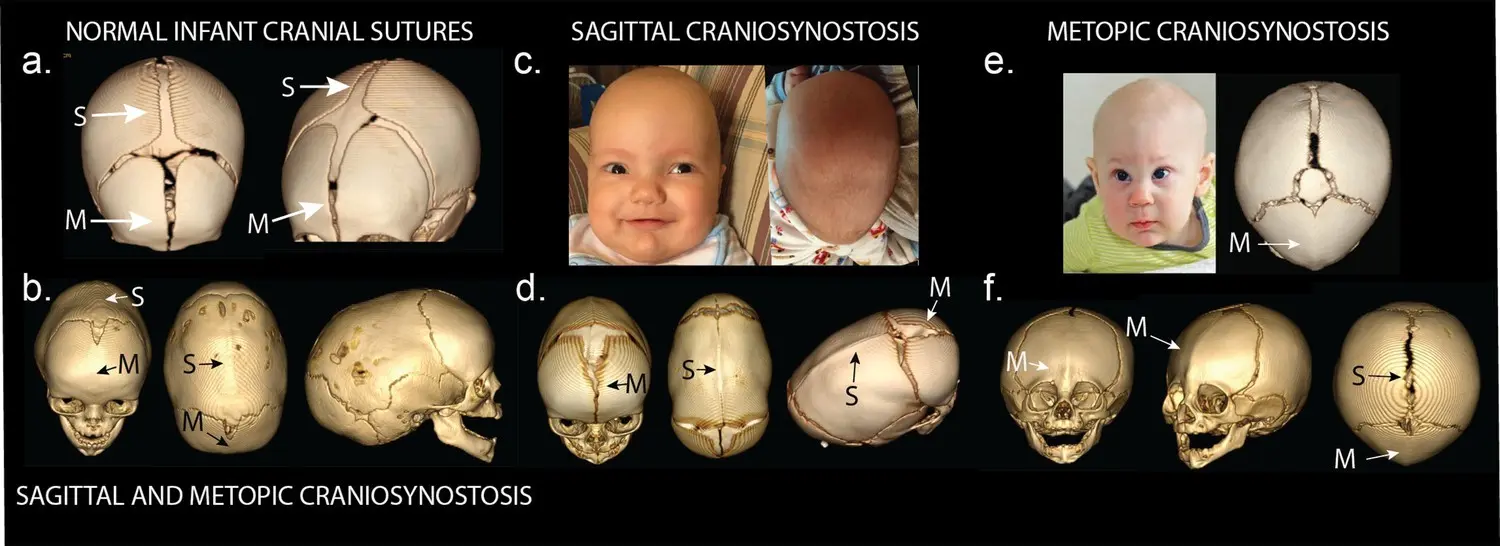
If so, they are likely to have craniosynostosis. Craniosynostosis is when a baby develops or is born with an abnormally shaped skull.

This happens when the natural spaces known as cranial sutures in the baby’s skull join earlier than they should.

The sutures should usually be joined only after the child reaches 2. This allows the brain to develop without any pressure from the skull.

Craniosynostosis affects the shape of the skull and the self-esteem of children. An odd-shaped head makes them feel odd and uncomfortable. They feel excluded from the rest of the crowd. It makes them feel lonely and isolated. They start feeling ashamed of their heads and ashamed of themselves.

But there’s a solution for this. Children with unusually shaped skulls no longer need to feel ashamed of their heads or themselves. They no longer need to feel excluded from the crowd. They no longer need to feel sad and isolated. Because there are treatment options available for craniosynostosis, by getting treatment for Craniosynostosis from the best neurology hospital in Guntur, one will not only get rid of craniosynostosis but also replace their isolation with happiness and shame with pride and confidence. They will no longer feel apart but will feel a part of society.

This article discusses craniosynostosis’s types, symptoms, causes, and treatment options.

First, let us understand the types of craniosynostosis.

What are the different types of craniosynostosis?

The different types of Craniosynostosis are as follows:

Sagittal synostosis

  • The sagittal suture, which runs along the top of the skull, unites relatively early in this condition. The head grows taller but narrower than it should in this kind of Craniosynostosis. Boys are more likely to experience this.

Coronal craniosynostosis

• The sutures that connect the top of the head to the ears fuse sooner than they should in this case. The kid will have a flat forehead if he or she has this form of Craniosynostosis. Girls are more likely to experience this.

Synostosis metopic

• The sutures that connect the sagittal suture to the nose fuse quite quickly. As a result, the scalp develops a triangle shape.

Synostosis of the lambdoid

This type of craniosynostosis affects the lambdoid suture at the back of the skull, forming a flat-topped head.

The best neurologist in Guntur can treat the types as mentioned above of craniosynostosis.

What are the symptoms of Craniosynostosis?

The common symptoms of Craniosynostosis are as follows:

  • An unusually shaped skull
  • The head grows slower than the body
  • Formation of a hard ridge along the suture.
  • The fontanel disappears soon.

If you experience any of the above symptoms of cranial synostosis, it is advisable to seek help from Rao Hospital in Guntur.

What are the causes and risk factors of Craniosynostosis?

Craniosynostosis can be either syndromic or nonsyndromic. Syndromic Cranial Synostosis occurs with other birth defects. With Cranial Synostosis, changes may be in genes that further affect different parts of the body, like fingers, heart, etc. Cell defects in the sutures may be the cause of Nonsyndromic Cranial Synostosis, which causes the sutures to fuse earlier than usual.

The following are the risk factors of craniosynostosis:

  • Taking valproic acid-like Depakote for epilepsy at the time of pregnancy may increase the risk of giving birth to a child having Craniosynostosis.
  • Babies whose mothers have thyroid disease or undergo thyroid treatment during pregnancy are more likely to be born with Craniosynostosis.
  • Babies whose mothers took fertility medicines like clomiphene citrate during pregnancy are more likely to be born with Craniosynostosis.

What are the treatment options for treating Craniosynostosis?

Surgery is an effective treatment option for cranial Synostosis. Best neurologist in Guntur can perform the surgery.

There are usually two types of surgeries that are preferred to treat Craniosynostosis. They are as follows-

• Conventional surgery:

In Guntur, a neurologist and a craniofacial surgeon perform the procedure. The neurosurgeon makes an incision across the top of the baby’s scalp and removes any sections of the skull that are out of form. The craniofacial surgeon then restores and replaces these pieces of the skull in the head. After that, stitches are applied. The doctor will later monitor the development of the skull.

• Endoscopic Surgery

In this procedure, your doctor in Guntur makes two small incisions in the scalp and uses an endoscope to cut the sutures. This procedure should be performed before the baby reaches the age of three months. After the treatment, wearing a molding helmet is recommended to allow your head to grow into its correct form.

It is essential to get timely treatment for Cranial Synostosis from the best neurosurgeon in Guntur to avoid further complications. If Cranial Synostosis is left untreated, the skull will continue to develop in an unusual manner, which may lead to additional complications and problems such as vision problems, etc. In a recent India today article.

Conclusion

This article explains craniosynostosis, its symptoms, causes, and treatment options. It is advisable to get proper and timely treatment for craniosynostosis from the best neurology hospital in Guntur to avoid further complications, to feel a part of the crowd and not feel apart from the crowd, and to develop a feeling of oneness and not feel different and odd! It is essential to get timely treatment for Craniosynostosis to replace discomfort with self-worth and self-esteem.

Dr. Rao’s Contact Information:


the best migraine treatment in Andhra Pradesh at Dr Rao's Hosptial by Dr Rao

Migraine – Symptoms, Signs, Causes, Types, and Treatment

Migraine – Symptoms, Signs, Causes, Types, and Treatment

Migraine is a neurological disease that is common in people of Guntur. In migraines, people experience severe headaches. Vomiting and nausea are common side effects of headaches. In migraines, one may also experience sensitivity to sound and light, problems in speech, etc. Migraine can occur in any age group. If you have migraine problems running in your family, it is more likely you will also experience migraines. In case you experience migraine headaches, it is advisable to visit Rao hospital Guntur, which is one of the best neurology hospitals in Guntur. This article discusses migraine symptoms, causes, types, and treatment.

What is a migraine?

Migraine is a neurological condition in which one experiences severe headaches, nausea, and vomiting. One may also experience sensitivity to light and sound. Migraine is more common in women than men. The most common migraines are migraines with aura and without aura. We will study each of them in detail later in the article.

What are the common signs and symptoms of migraine?

Migraine occurs in stages. The symptoms of migraine may differ depending on the stage.

Prodrome stage:

In this stage of migraine, symptoms are experienced a few days before the headache starts. The common symptoms experienced in this stage include the following-

Increased hunger

Tiredness

Stiffness in the neck

Feeling depressed

Aura:

This occurs after the prodrome stage. The common problems experienced in this stage include the following-

Problems in speaking

Vision problems

Sensation problems

Attack:

In this phase, a severe headache is experienced. The common symptoms in this stage include the following-

Nausea

Vomiting

Very severe pain in your head

Sensitivity to light and sound

Postdrome Phase:

The following symptoms characterize this phase-

Extreme mood swings

Headaches

If you experience any of the above symptoms, you should visit the best neurologist in Guntur immediately for proper treatment. When left untreated, migraines may become severe and last longer.

What are the possible causes of migraine?

The actual cause of migraine is not yet known. However, certain risk factors may lead to migraine. Some of them are as follows-

  • Changes in weather
  • Less water intake in the body
  • Hormone changes
  • Increased stress
  • Irregular eating schedule and skipping meals
  • Improper sleep
  • Specific medications
  • Smoking and alcohol

Your neurologist may ask you in Guntur to keep a record of the things that you ate or the medicines you took before the onset of your migraine. This may help identify the triggers that lead to migraines and thus avoid them to reduce and treat them. According to dnaindia

How can migraines be diagnosed?

Doctors in Guntur can diagnose migraines by examining symptoms, medical conditions, and family history. Various tests are used to diagnose migraines.

What are the different types of migraines?

The following are the different types of migraine seen in people of Guntur

Migraine without Aura:

This is one of the most common types of migraine. People with this type of migraine have had at least five attacks that have these characteristics:

Headaches lasting for 4-72 hours if timely treatment is not provided.

Moderate or severe headache on one side of the head

Headaches accompanied by sensitivity to light and sound and nausea.

Migraine with Aura:

This is also one of the common types of migraine. People with this type of migraine have had at least 2 attacks that have these characteristics:

Vision problems

Speech problems

Vertigo

Sensory problems

Chronic migraines:

People with chronic migraines experience severe headaches. They may also experience the following-

Depression

Other medical problems

Other chronic pain

Acute migraines:

This type of migraine is not chronic. People experience less severe headaches than chronic migraines in this type of migraine.

There are other types of migraines, such as an optical migraine(affects one of the eyes), Acephalgic migraine(migraine with no headaches), hormonal migraines(caused by changes in hormones like estrogen), abdominal migraine(experiencing stomach-ache), among others.

How to treat migraines?

Migraine is a very fatal condition. So, there are treatment options available to treat migraines. Migraines can’t be completely cured, but these treatment options can help control and reduce migraines to a great extent.

  • Lifestyle changes include proper sleep, regular exercise, stress management through yoga and meditation, avoiding triggers that lead to migraine attacks, and drinking plenty of water.
  • Medications like NSAIDs, Triptans, and CGRP analogs Are superior.
  • Surgical interventions
  • Acupressure and acupuncture also help treat migraines
  • Home remedies like lying in a quiet, dark room and placing a cold cloth over your head may also help.

It is advisable to visit a specialist in Guntur in case you experience severe migraine headaches to get proper treatment and to manage your migraines.

Conclusion

This article helped us understand migraines’ symptoms, causes, types, treatments, etc. Regular exercise, drinking plenty of water, and managing stress through yoga and meditation can help greatly in controlling and managing migraines. If you experience severe migraine headaches, kindly visit a neurologist in Guntur immediately to get proper treatment and relief from the severe headache that hinders you from performing your day-to-day activities.

Dr. Rao’s Contact Information:

Your health and well-being are our top priorities. For the best migraine care, trust in the expertise of Dr. Rao and the other leading neurosurgeons in India.

Dyskinesia - the best treatment at Dr Rao's hospital, Guntur

Dyskinesia – All you need to know

Dyskinesia: All You Need To Know

Dyskinesia is an uncontrollable, spontaneous reaction. It can involve one portion of the body, such as the head or arm, or the whole body.

Dyskinesia can vary from mild to extreme and can be very painful. It can also make performing your everyday work challenging. It may also vary in terms of frequency and time of day.

If you are from Guntur and searching for a proper treatment for dyskinesia, you should visit Dr. Mohana Rao’s hospital, the best neurosurgeon in Guntur. 

Dyskinesia is a common complication of long-term levodopa therapy in people with Parkinson’s disease. Dyskinesia may also occur in conditions other than Parkinson’s disease, such as coordination disorders.

Now let us learn about the different signs and symptoms of dyskinesia:

The signs and symptoms of dyskinesia differ from person to person. They may be mild, with a slight head, arm, or leg twitch. They can also be severe, causing various body parts to move involuntarily. Dyskinesia can happen in a variety of ways, including:

  • fidgeting
  • boobing in head
  • restlessness
  • writhing
  • twitching 
  • the swaying of the body 

Dyskinesia is not the same as tremor but is common in Parkinson’s disease. 

Now let us see the reasons behind this:

The most frequent cause of dyskinesia is long-term use of the drug levodopa. Because of its efficacy, levodopa is the recommended drug for the treatment of Parkinson’s disease.

Dopamine levels in the brain rise due to the use of levodopa. A lack of dopamine-producing brain cells causes Parkinson’s disease. For those with Parkinson’s disease and other disorders involving reduced dopamine levels, levodopa increases the dopamine level. 

When you take levodopa, as per your neurologist in Guntur, the dopamine levels increase and then decrease as the drug wears off. Variations in dopamine levels are thought to be the source of dyskinesia’s spontaneous gestures.

Some antipsychotic drugs cause tardive dyskinesia, a form of dyskinesia.

Conditions that are related to dyskinesia:

Dystonia:

Dystonia and dyskinesia are often confused. Dystonia induces excessive muscle tightening rather than the involuntary movements of dyskinesia.

Dystonia is a drug complication. Low levels of dopamine, which are seen in patients with Parkinson’s disease, induce dystonia. Dystonia often affects the feet, vocal cords, hands, and eyelids. It often impacts only one side of the body.

Since levodopa causes dopamine levels to fluctuate, it can cause dystonia. Dystonia can occur as dopamine levels fall and the levodopa wears off. 

Tardive dyskinesia:

People with severe psychiatric disorders that need long-term antipsychotic therapy suffer from tardive dyskinesia. Since it induces repetitive gestures, tardive dyskinesia is similar to dyskinesia.

On the other hand, Tender dyskinesia typically affects the tongue, lips, jaw, or eyelids. The following repetitive gestures can be a sign of tardive dyskinesia:

  • licking your mouth repeatedly 
  • grimacing continuously 
  • blinking rapidly, 
  • puckering your mouth  
  • poking out your tongue

Now, let us see what the treatment for dyskinesia is.

Each person’s dyskinesia treatment needs to be unique. Any of the following considerations influence treatment:

  • The seriousness of the symptoms
  • When do the effects worsen (for example, when the levodopa wears off)?
  • Age
  • Amount of time on levodopa, and 
  • Time after getting a Parkinson’s diagnosis

Below are some possible recovery options:

  • Adjusting your levodopa dosage to prevent the significant fluctuation of dopamine levels in your bloodstream
  • You can use a continuous infusion or a sustained-release formulation of levodopa
  • Take amantadine extended-release (Gocovri), a well-approved treatment for tardive dyskinesia
  • valbenazine, a newly approved drug for tardive dyskinesia
  • Taking levodopa in smaller doses 
  • Take the levodopa 30 minutes before your meal 
  • According to your neurosurgeon in Guntur, exercising, such as walking and swimming, would be best.
  • It will help eliminate extra stress, which can harm you. 

Before starting the proper medication for you, discuss every detail about your treatment with the doctor.

When dyskinesia progresses, speaking with the doctor about the different treatments is essential. When you are first diagnosed with Parkinson’s, talk about the benefits and drawbacks of taking levodopa. It would be better for you if you could delay starting levodopa, as it increases the chances of dyskinesia. 

Brain aneurysm treatment at Dr Rao's Coiling and flow diverter

Brain aneurysm – Symptoms & Treatment

Brain aneurysm: Symptoms & Treatment

A bulge or ballooning of a blood vessel in the brain is known as a brain aneurysm. It resembles a berry on a stem in appearance. The older adults in Guntur mainly suffer from this complication. Along with that, it can occur in any person of any age. Visit the best neurosurgeon in Guntur to learn about the difficulty in detail. 

A brain aneurysm may burst or leak, resulting in brain bleeding (hemorrhagic stroke). The most common location for a ruptured brain aneurysm is the area between the brain and the thin tissues surrounding it. 

A ruptured aneurysm can be life-threatening very quickly. So, it requires immediate medical attention.

However, most brain aneurysms, on the other hand, do not burst, cause health complications, or cause any signs. 

In certain circumstances, treatment for an unruptured brain aneurysm is sufficient and can avoid a rupture in the future. Consult your neurologist in Guntur to make sure you know the right choices for your unique requirements.

What are the symptoms of a brain aneurysm?

The below are some of the most common signs and symptoms of a ruptured aneurysm:

  • A severe painful headache appears out of nowhere.
  • Vomiting and nausea
  • Neck stiffness
  • Double or hazy vision
  • Light sensitivity 
  • Sudden alteration in behavior
  • A droopy eyelid
  • Loss of consciousness

An aneurysm can sometimes leak a small amount of blood. This bleeding can result in a severely painful headache.

If the aneurysm is thin, an unruptured brain aneurysm can not cause any symptoms. A larger unruptured aneurysm, on the other hand, may push on brain tissues and nerves, potentially causing:

  • Pain in your eyes 
  • Complications related to your vision
  • Face numbness 

Suppose you experience a rapid, intense headache or any signs that can lead to a ruptured aneurysm. In that case, as one of the best neurosurgeons in Guntur, Dr. Mohana Rao Patibandla will ask you to undergo a long list of tests. It will help him see if you have leaked into the area between the brain and underlying tissues or if you have had a stroke.

Suppose you have signs of an unruptured brain aneurysm, such as discomfort behind the eye, visual changes, or double vision. In that case, you will be tested to determine which aneurysm is causing the problem. The following are a few tests that help you understand whether you are suffering from any complications.

  • Tomography using a computer (CT).
  • Test of the cerebrospinal fluid.
  • Magnetic resonance imaging (MRI) is a form of imaging that.
  • Angiogram of the brain.

What are the treatment options available to treat brain aneurysms?

Treatment for ruptured brain aneurysm:

Aneurysm clipping is a surgical technique used to block an aneurysm. To access the aneurysm, the neurosurgeon in Guntur cuts a part of the skull and locates the blood vessel that feeds it. Then, he attaches a small metal clip to block blood flow.

Your doctor may also offer a less invasive endovascular coiling or flow diverter.

Both operations include the risk of bleeding or a lack of blood supply to the brain.

Other options:

Other techniques for ruptured brain aneurysms focus on symptom relief and complications management.

If you have headache symptoms, your doctor may prescribe you pain relievers. 

An intravenous drug called a vasopressor, which raises blood pressure to relieve the resistance of compressed blood vessels, is one way to avoid stroke caused by inadequate blood flow.

Angioplasty is another choice for preventing strokes. A neurosurgeon uses a catheter to inflate a tiny balloon that opens a compressed blood vessel in the brain during this operation.

Rehabilitation therapy can also help you recover from a subarachnoid hemorrhage.

If you face any of the symptoms described above, you should visit the best neurosurgeon in Guntur for a quality treatment. 

Neuromuscular-Disorders treatment at Dr Rao's Hospital by Dr Rao

The best Neuromuscular Disorders treatment

The best Neuromuscular Disorders treatment at Dr Rao’s  Hospital

Neuromuscular condition is a broad term that refers to diseases with varying symptoms. The term muscle disease is also known as neuromuscular diseases or disorders. These refer to a category of conditions that involve your muscles or the nerves that regulate your muscles. 

Many people in Guntur come to us hoping to find a treatment for their neuromuscular complications.

Muscle disease can occur in various ways, and different factors can affect multiple muscle groups. The seriousness of disorders and their impacts on people differ drastically from one person to another.

The majority of disorders are chronic, allowing muscles to deteriorate over time. As a result, it harms your mobility. Most illnesses result in a kind of disability to your body parts.

Muscle disease impacts all racial groups. It affects people regardless of their age and gender. Conditions may arise due to hereditary reasons or develop unexpectedly without a family background. According to The Times of India coverage.

So, what are the signs and symptoms?

50 Neuromuscular Disease Stock Photos, Pictures & Royalty-Free Images -  iStock

Learn the symptoms from Dr. Rao, the best neurosurgeon in Guntur, in detail. Some neuromuscular disorders develop symptoms in infancy, while others develop symptoms in adolescence or adulthood. Symptoms can appear in various body parts based on your neuromuscular condition and the biological structure.

It is important to note that neuromuscular conditions may be hereditary or result from a random gene mutation. A neuromuscular disorder may also develop due to an immune system disorder. Following are the symptoms of the neuromuscular disorder:

  • Muscle fatigue 
  • Sensation deprivation or numbness
  • Atrophy of muscle
  • Loss in muscle coordination and balancing
  • Difficulties with breathing and chewing

How do we diagnose the complication?

Neuromuscular diseases are somewhat uncommon and not so easy to identify. At Dr. Rao’s hospital in Guntur, we do a thorough physical assessment and inquire into the patient’s family background. It is essential to check your reflexes and muscle functions. Along with that, we evaluate if there is any other sign. We can go for 

  • Genetic examination to identify the mutations in your gene 
  • A muscle biopsy 
  • Inspection of the CK (creatine kinase) levels in your tissues. 
  • A blood test for checking enzyme elevation
  • Electromyography (EMG)  
  • Magnetic resonance imaging (MRI) 
  • A nerve conduction test is needed to check the nerve signals that pass from nerve to nerve.
  • Cerebrospinal fluid (CSF) collection 

More than 150 different forms of neuromuscular diseases, and new ones are being found each year. The following are a few of these conditions:

Now let us see what treatments are available.? 

Neuromuscular conditions are currently incurable. However, research is still ongoing. Numerous medications and genetic treatments provide hope for discovering cures. We are at Dr. Rao Hospital in Guntur, successfully treating symptoms, improving the patient’s life condition, and slowing the disease’s development. 

Surgical treatment with physiotherapy can help treat many people’s neuromuscular conditions.

Different complications related to neuromuscular disease are treated in various ways. However, the fundamental goal remains the same: to increase QoL, postpone progression, and improve your ability to function.

Depending on severity, most patients may require routine assessments every 6 to 12 months. This is to identify any problems or improvements and track whether there have been any complications or enhancements. During the physiotherapy treatment, we record any discomfort, falls, or problems at school.

After that, we refer them appropriately, as per the requirements. If you start to lose control or cannot walk, you should avail yourself of the home modifications according to the requirements.

The fundamental goal should be independence. A thorough examination of your condition is required. It is essential to consider pace, distance, and the reasons to become an ambulant patient. 

Why Dr. Rao’s Hospital is the Best Choice for Neuromuscular Disorders

Choosing a specialized and experienced medical facility is essential for effective management and recovery when treating neuromuscular disorders. Dr. Rao’s Hospital in Guntur is a premier choice for patients seeking comprehensive care for neuromuscular conditions. Here’s why:

1. Expertise in Neuromuscular Disorders

Highly Qualified Specialists:
  • Dr. Rao: A leading neurologist and neurosurgeon with extensive training and experience in diagnosing and treating neuromuscular disorders.
  • Multidisciplinary Team: The hospital boasts a team of specialists, including neurologists, physiotherapists, and occupational therapists, who work together to provide holistic care.

2. Advanced Diagnostic and Treatment Facilities

State-of-the-Art Technology:
  • Advanced Diagnostics: It is equipped with the latest diagnostic tools, including EMG (electromyography), nerve conduction studies, and advanced imaging techniques, to ensure an accurate diagnosis.
  • Innovative Treatments: The hospital employs cutting-edge treatments and therapies, including minimally invasive procedures and advanced rehabilitation techniques.

3. Comprehensive Care and Personalized Treatment Plans

Patient-Centered Approach:
  • Tailored Treatment Plans: Dr. Rao and his team develop individualized treatment plans based on each patient’s condition, medical history, and overall health.
  • Holistic Care emphasizes treating the whole person, not just the symptoms, ensuring that all aspects of the patient’s health and well-being are addressed.

4. Wide Range of Neuromuscular Conditions Treated

Conditions Addressed:
  • Muscular Dystrophy: Comprehensive management and support for patients with various forms of muscular dystrophy.
  • Myasthenia Gravis: Specialized care for this autoimmune disorder affecting the neuromuscular junction.
  • Peripheral Neuropathies: Effective treatment for nerve damage and associated symptoms.
  • Motor Neuron Disease: Advanced care and support for patients with ALS and other motor neuron diseases.
  • Myopathies: Expert diagnosis and management of inflammatory and metabolic myopathies.

5. Rehabilitation and Support Services

Comprehensive Rehabilitation:
  • Physiotherapy: Specialized physiotherapy programs to improve mobility, strength, and function.
  • Occupational Therapy: Support to help patients maintain independence and improve quality of life.
  • Speech Therapy: For patients experiencing difficulties with speech and swallowing.
Ongoing Support:
  • Patient education: providing patients and their families with the knowledge and tools to manage their condition effectively.
  • Support Groups: Facilitating support groups to connect patients with others experiencing similar challenges.

6. Positive Patient Outcomes

Success Stories:
  • High Satisfaction Rates: Many patients have reported significant improvements and positive outcomes following their Dr. Rao’s Hospital treatments.
  • Trust and Reliability: Dr. Rao’s commitment to excellence has earned the trust of his patients and the community.

7. Accessibility and Convenience

Location and Accessibility:
  • Strategic Location: Dr. Rao’s Hospital is conveniently located in Guntur, making it accessible for patients across the region and beyond.
  • Efficient Service: The hospital is known for its streamlined processes, ensuring minimal wait times and efficient handling of appointments and procedures.

In Summary

Choosing Dr. Rao’s Hospital to treat neuromuscular disorders means opting for unparalleled expertise, state-of-the-art technology, personalized care, and a proven track record of success. If you or a loved one needs specialized care for a neuromuscular condition, you can trust Dr. Rao and his team to provide the highest standard of care.

Contact Information:

Take the first step towards better neuromuscular health with Dr. Rao and Dr. Rao’s Hospital. Your well-being is our top priority.

back-surgery at Dr Rao's Hosptial is the best

When should you have back surgery?

When should you have back surgery?

Back pain is a complication that affects many people in and around Guntur. Surgery is often ineffective in providing relief from it, so finding the best treatment can be challenging. Consult your doctor to determine the causes of your back pain and whether surgery will help you or not.

While back surgery can help with some causes of back pain, it is rarely needed. Generally, the back pain goes away on its own after three months.

As per our neurologist in Guntur, lower back pain is widespread. Nonsurgical therapies for back pain usually include anti-inflammatory drugs, sun, and physical therapy other than back pain surgery.

Is it necessary for you to have back surgery?

If conventional therapies have failed and the pain is chronic and severe, back surgery can be an option. Back surgery also relieves associated pain or numbness that effectively passes down one or both arms or legs.

Compressed nerves in the spine are a common cause of experiencing these symptoms. Compression of nerves can occur for a variety of reasons, including:

Problems with disk: 

Sometimes, the rubbery paddings that separate your spine’s bones may pressure too tightly against your spinal nerves. As a result, it disturbs proper functioning. Also, read about what is spine surgery treatment.

Bone enlargement: 

Bone enlargement may occur as a result of osteoarthritis. The enlarged bone most often affects your hinge joints on the back section of the spine. Eventually, it limits the space required for nerves to move through the gaps in the spine.

An X-ray can reveal your disk issues or bone spurs, too. However, identifying the exact cause of your back pain is not so easy. The X-ray can find bulging or herniated disks that cause no complications and need no care.

So, what are the types of back surgery?

The following are some of the various forms of back surgery:

Diskectomy: 

This procedure involves removing the herniated part of a disk to relieve nerve pain and inflammation. Diskectomy involves removing the back portion of a vertebra (lamina) to reach a ruptured disk.

Laminectomy: 

Our neurosurgeon in Guntur removes the bone overlying the spinal canal in a laminectomy. It helps alleviate nerve discomfort caused by spinal stenosis by enlarging the spinal canal.

Spinal fusion: 

The procedure permanently joins two or more bones in your spine. It can help to cure the pain by stabilizing a spinal fracture. It often stops painful motion between the vertebrae caused by a degenerated or broken disk.

Artificial disks: 

A degenerated and injured disk can lead to painful movement between two vertebrae. The best neurosurgeon in Guntur, Dr. Mohana Rao Patibandla, suggests inserting an artificial disk as a treatment option for this. However, most people cannot afford these relatively new tools.

What are the advantages?

The result is often more than just a reduction in discomfort. You might discover-

  • You have more mobility.
  • You have improved your physical health.
  • Your disposition has changed.
  • You do not need to take as much painkiller medication as you always did.
  • You are free to return to your regular work.
  • At work, you are more efficient.

Is there any risk?

There is no risk related to the back surgery if the best neurosurgeon in Guntur performs the treatment. 

However, every procedure carries some level of risk, which includes:

  • Anesthesia or other medication’s reaction.
  • Infection of Bleeding.
  • Blood clots in the legs or lungs.
  • Angina pectoris.
  • A stroke.
  • Disk herniation
  • Nerve damage may cause fatigue, paralysis, pain, sexual dysfunction, and bowel or bladder control issues.

If you have any other health issues, you have a higher risk of health complications. These complications also differ depending on the type of surgery. However, your neurologist will take proper care of all of these issues. 

Why Dr. Rao and Dr. Rao’s Hospital is the Premier Choice for Spinal Neurosurgery, Including Minimally Invasive Procedures

Selecting the right specialist and facility is crucial for successful spinal neurosurgery. Dr. Rao and Dr. Rao’s Hospital are highly regarded for their excellence in this field, particularly for minimally invasive spine surgery. Here’s why they are the top choice:

1. Expertise and Experience

Dr. Rao:
  • Highly Skilled Specialist: Dr. Rao is a top neurosurgeon with extensive training and a wealth of experience in spinal neurosurgery.
  • Proven Success: He has a strong track record of successful spinal surgeries, including complex spine and spinal cord procedures.

2. Advanced Minimally Invasive Techniques

Minimally Invasive Spine Surgery:
  • Faster Recovery: These procedures involve smaller incisions, which lead to quicker recovery times and less postoperative discomfort.
  • Fewer Complications: Minimally invasive techniques minimize damage to surrounding tissues, reducing the risk of complications and infections.
  • High Precision: Advanced imaging and surgical tools enable precise targeting of the affected area, ensuring effective treatment with minimal impact on healthy tissue.

3. State-of-the-Art Technology

Dr. Rao’s Hospital:
  • Latest Equipment: The hospital is outfitted with the most advanced technology for spinal surgery, including cutting-edge imaging systems and surgical instruments.
  • Innovative Methods: Dr. Rao uses the latest and most effective surgical techniques, ensuring patients receive top-quality care.

4. Comprehensive and Personalized Care

Patient-Centered Approach:
  • Customized Treatment Plans: Dr. Rao creates individualized treatment plans based on each patient’s unique condition, medical history, and overall health.
  • Collaborative Care: The hospital’s team of specialists work together to provide comprehensive care, addressing all aspects of the patient’s health.

5. Broad Range of Conditions Treated

Conditions Managed:
  • Herniated Discs: Effective treatments for relieving pain and restoring function.

  • Spinal Stenosis: Advanced techniques to alleviate pressure on the spinal cord and nerves.

  • Degenerative Disc Disease: Comprehensive care for managing degenerative conditions.

  • Spinal Tumors: Expertise in removing tumors while preserving neurological function.

  • Spinal Injuries: Skilled management and treatment of spinal injuries resulting from trauma.

6. Outstanding Patient Support and Aftercare

Comprehensive Support System:
  • Preoperative Guidance: Patients receive detailed information and support to prepare for surgery.
  • Postoperative Care: Regular monitoring and follow-up ensure any issues are promptly addressed and patients recover best.

7. Accessibility and Convenience

Location and Accessibility:
  • Convenient Location: Dr. Rao’s Hospital is easily accessible in Guntur, making it convenient for patients from the region and beyond.
  • Efficient Service: The hospital is known for its streamlined processes, ensuring minimal wait times and efficient handling of appointments and procedures.

8. Positive Patient Outcomes

Patient Testimonials:
  • High Satisfaction: Many patients have reported significant improvements and positive outcomes after treatment with Dr. Rao.
  • Trusted Care: Dr. Rao’s dedication to excellence has earned the trust of his patients and the community.

In Summary

Choosing Dr. Rao and Dr. Rao’s Hospital for spinal neurosurgery means opting for exceptional expertise, advanced technology, personalized care, and a proven success record. Dr. Rao offers the highest standard of care for those needing spinal surgery, especially minimally invasive procedures.

Contact Information:

Take the first step toward better spinal health with Dr. Rao and Dr. Rao’s Hospital. Your well-being is our top priority.

What is the functional neurosurgery?

What is functional neurosurgery?

Functional Neurosurgery Explained – Expert Care at Dr. Rao’s Hospital

Functional neurosurgery is a technique that we use to treat central nervous system disorders. Functional neurosurgery has proven to be a lifesaver when treating severe movement disorders like dystonia, Parkinson’s disease, and essential tremors.

Many people in India require adequate functional neurosurgery treatment to get relief from severe complications. So, it would be best if you visited our clinic to avail the best treatment.

We perform functional neurosurgery at Dr. Rao’s Hospital Guntur to treat

  • Epilepsy is a condition that affects people.
  • Spasticity of cerebral origin in MS and spinal cord injury
  • Movement disorders like dystonia, hemifacial spasm, Parkinson’s disease, tremor, etc. 
  • Obsessive-compulsive disorder (OCD), depression, and other neuropsychiatric disorders
  • Nerve disorders, such as trigeminal neuralgia and postherpetic neuralgia
  • Chronic pain caused by neuropathic disorders or infections, as well as cancer

Dr. Rao, a renowned neurologist in Guntur, and his team conduct a rigorous and systematic evaluation of the patient’s condition before recommending or performing functional neurosurgery.

How does the diagnosis procedure go?

The diagnosis procedure includes three stages. These are as follows:  

Examination: 

Our specialists, including neurosurgeons, neurologists, psychologists, and physiologists, will perform a clinical assessment of your complications. This will help us understand your situation, such as your cognitive ability and current lifestyle. Only then will we advise you on the best treatment.

Imaging: 

While doing your examination, we prefer the most up-to-date imaging procedures, such as CT scans and MRI exams, functional imaging with fMRI, and SPECT scans. These examinations will help us have a clear idea about your health condition. 

ECG and EMG: 

As the best neurosurgeon in Guntur, we will conduct nervous system EEG and EMG monitoring and appropriate recordings. This will help us map the complications in your brain. These results allow us to determine the future course of action, especially functional neurosurgery.  

Now, let us examine the treatment procedures for functional neurosurgery.

We at Doctor Rao’s Hospital provide the following neurosurgical treatments- 

Neuromodulation: 

Neuromodulation is one of the very effective treatments available for your complications. It enables our neurosurgeon in Guntur to specifically modify or modulate your nerve function in a problem area. Neuromodulation uses electricity or pharmaceutical agents to modify your nerve functions. It allows us precise targeting and is a relatively secure treatment when treating different parts of your brain, spinal cord, and peripheral nervous system.  

Deep Brain Stimulation (DBS): 

It is a form of brain stimulation that can very effectively treat epilepsy, critical tremors, Parkinson’s disease, dystonia, and obsessive-compulsive disorder. We insert electrodes in the specific part of your brain to produce electric impulses. This helps us monitor your brain’s abnormal activities and correct chemical imbalances that cause abnormalities. A programmable generator will be hidden under the skin in your upper chest to monitor the tool’s work.

Treatment with stereotactic neurosurgery: 

It assists in identifying problem areas in the innermost parts of your brain. Our neurosurgeon uses a specialized three-dimensional coordinate system and CT scans or MRIs to identify regions very deep into your brain for treatment, such as deep-seated brain tumours.

While performing the procedure, the patient remains awake and alert, which avoids unfavorable effects on the brain. This method can treat epilepsy and deep-seated brain tumors and administer medication and radiation to the innermost region of your brain. 

So, what are the advantages of the treatment?

Neurological patients are increasingly turning to functional neurosurgery as a treatment choice. Because of advances in surgical and neuroimaging techniques, the accuracy of functional neurosurgery has improved significantly.  

Increased electrical control in particular areas of your brain means improved functional neurosurgery outcomes. Our neurosurgeon will work more specifically, focusing on the areas that need care while avoiding critical areas that do not.

If you undergo functional neurosurgery, you should expect a fast recovery. After surgery, you are expected to remain in the hospital for a few days. Practical, functional neurosurgery provides significant pain relief and decreases your painkiller dependency.

Why Choose Dr. Rao and Dr. Rao’s Hospital for Functional Neurosurgery?

Functional neurosurgery encompasses a range of advanced procedures to improve the quality of life for patients with various neurological disorders. Dr. Rao and Dr. Rao’s Hospital are distinguished leaders in this field, offering cutting-edge treatments such as Deep Brain Stimulation (DBS), Spinal Cord Stimulation (SCS), Vagus Nerve Stimulation (VNS), and Responsive Neurostimulation (RNS). Here’s why you should consider Dr. Rao and Dr. Rao’s Hospital for these specialized procedures:

1. Expertise and Experience

Dr. Rao:
  • Highly Qualified: Dr. Rao is a renowned neurologist and neurosurgeon who specializes in functional neurosurgery. His expertise includes various advanced surgical techniques for treating complex neurological conditions.
  • Proven Track Record: With numerous successful surgeries, Dr. Rao has established a reputation for excellence in functional neurosurgery, delivering life-changing patient outcomes.

2. Advanced Technology and Techniques

State-of-the-Art Equipment:
  • Deep Brain Stimulation (DBS): Utilizes precision-targeted electrical impulses to treat movement disorders like Parkinson’s disease, essential tremor, and dystonia.
  • Spinal Cord Stimulation (SCS): Employs advanced devices to manage chronic pain conditions, providing relief and improving patient mobility.
  • Vagus Nerve Stimulation (VNS): Offers effective treatment for epilepsy and depression by modulating brain activity through the vagus nerve.
  • Responsive Neurostimulation (RNS): Monitors and responds to brain activity in real-time, providing customized treatment for epilepsy.

3. Comprehensive and Personalized Care

Patient-Centered Approach:
  • Customized Treatment Plans: Dr. Rao tailors each treatment plan to meet the patient’s specific needs, ensuring optimal outcomes.
  • Multidisciplinary Team: The hospital boasts a dedicated team of specialists, including neurologists, neurosurgeons, and rehabilitation experts, who work together to provide comprehensive care.

4. Minimally Invasive Procedures

Benefits of Functional Neurosurgery:
  • Minimally Invasive Techniques: These procedures involve minimal surgical intervention, reducing risks and promoting faster recovery.
  • Precision and Safety: Advanced technology ensures high precision in targeting affected areas, maximizing efficacy while minimizing side effects.

5. Proven Success in Treating Various Conditions

Wide Range of Applications:
  • Movement Disorders: Effective management of Parkinson’s disease, essential tremor, and dystonia through DBS.
  • Chronic Pain: Significant relief from chronic pain conditions via SCS.
  • Epilepsy: Reduced seizure frequency and severity with VNS and RNS.
  • Depression: Improvement in depressive symptoms through VNS.

6. Outstanding Patient Support and Aftercare

Comprehensive Support System:
  • Pre-Treatment Counseling: Detailed consultations to educate patients and families about the procedures and expected outcomes.
  • Post-Treatment Follow-Up: Regular monitoring and support to ensure successful recovery and long-term management of conditions.

7. Accessibility and Convenience

Location and Accessibility:
  • Strategic Location: Dr. Rao’s Hospital is conveniently located in Guntur, making it easily accessible for patients from the region and beyond.
  • Efficient Service: The hospital is known for its streamlined processes, ensuring minimal wait times and efficient handling of appointments and procedures.

8. Positive Patient Outcomes

Patient Testimonials:
  • High Satisfaction Rates: Numerous patients have reported significant improvements and positive outcomes following their treatments with Dr. Rao.
  • Trust and Reliability: Dr. Rao’s commitment to excellence has earned the trust of his patients and the community.

In Summary

Choosing Dr. Rao and Dr. Rao’s Hospital for functional neurosurgery means opting for unparalleled expertise, cutting-edge technology, personalized care, and a proven track record of success. If you or a loved one needs advanced treatments like DBS, SCS, VNS, or RNS, you can trust Dr. Rao to provide the highest standard of care.

Contact Information:

Take the first step towards better neurological health with Dr. Rao and Dr. Rao’s Hospital. Your functional well-being is our top priority.