Category Archives: Neurology Services

Spine-Surgery

When Should the Spine Surgery to Be Considered?

When Should the Spine Surgery Be Considered?

Most people experience at least one major bout of back pain at some point in their life. While surgery may appear to be an excellent option to address chronic back pain, it is not always necessary. For many people, spinal surgery is ineffective, leading to persistent or even worse discomfort. However, there are a few instances when surgery is the best option. Dr. Raos Hospital is the best spine surgery hospital in Guntur and Andhra Pradesh and offers the best minimally invasive neurosurgery by the best Neurosurgeon in India, DR RAO. According to mid-day

Infection, trauma, neurological dysfunction, tumors, or significant structural abnormalities such as scoliosis are reasons for spine surgery. The final reason for surgery is pain that has not responded to more conservative treatments and imaging evidence that suggests a surgically correctable anomaly that, if operated on, could provide pain relief. 

This article will review a few of these scenarios to help you determine what kind of treatment is best for you.

Let’s know,

When Is Spine Surgery Needed?

Interventional pain treatment offers many non-surgical options for treating a patient’s pain. The most common treatments are physical therapy, medicines, anti-inflammatories, and lifestyle changes. Exploring more conservative non-surgical methods before considering spine surgery is always a good idea. 

At Dr. Rao’s Hospital, one of the best neurology hospitals in Guntur, Andhra Pradesh, proficient spine surgeons can often aid when these therapeutic choices fail to offer relief. Some available treatments include epidural steroid injections, nerve blocks, nerve ablations, regenerative medicine (i.e., PRP and stem cell treatments), and spinal cord stimulation (SCS).

Our surgeons may recommend surgery if non-surgical treatments fail to relieve the back discomfort. Our well-qualified and seasoned surgeons aim to provide the best spine surgery treatment in Andhra Pradesh. Patients with ruptured discs, spondylolisthesis, spinal fractures, and degenerative disc disease are good candidates for surgery. 

Besides, it is worth noting that, even in these cases, surgery should only be considered if the particular source of the discomfort has been identified, for example, a herniated disc, scoliosis, or spinal stenosis. You may be a candidate for spinal surgery if the source of your pain has been identified and non-surgical treatments have failed.

How Serious Is Spine Surgery?

Your type of surgery determines the severity of your back surgery. Traditional open surgery or minimally invasive spine surgery (MISS) are also options for spinal surgery. 

MISS avoids open manipulation of the muscles and tissues around the spine and does not require extensive incisions. As a result, patients frequently recover faster and with less discomfort.

Due to its proximity to the nerve system, back surgery carries a higher risk than other forms of surgery. Paralysis and infection are the most severe risks. While the risks of open spinal procedures and MISS are roughly the same, certain studies suggest that MISS has a lower risk of infection than traditional back surgery. 

In the case of spinal fusions, other potential consequences include bleeding, prolonged discomfort at the graft site, reoccurring symptoms, nerve injury, blood clots, and pseudarthrosis.

MISS techniques enable patients to stay in the hospital less often, with most leaving home the same day or within 1 to 2 days. On the other hand, standard surgery usually requires 3 to 5 days in the hospital. The recovery period can be lengthy and painful even if the surgery is successful. Pain management and physical therapy will be required for the majority of individuals.

What Is The Success Rate Of Spine Surgery?

The success of spine surgery is determined by the surgical procedures used. For example, the success rate of lumbar spinal fusion, as judged by pain reduction, is frequently less than 80%. Furthermore, despite immediate pain reduction success, many lumbar spine procedures fail within 3 to 5 years. This is due to changes in the biomechanical structure of the spine due to the surgery, which causes issues in adjacent spinal levels. 

Because so many spine procedures fail, there is a medical term for this: failed back surgery syndrome. This low success rate can be attributed to several factors. The most important is that the site operated on was not the source of the patient’s suffering. This is why, before undergoing spine surgery, it’s critical to pinpoint the particular source of pain.

In conclusion, surgery is not “necessary” for most patients with back pain and sciatica. However, if you believe you are a candidate for surgery, you should seek a second opinion before proceeding. This will not only determine whether surgery is genuinely essential, but it will also ensure that you receive the best sort of surgery and the least invasive technique feasible. 

Contact us today to schedule a complete physical exam, imaging review, and evaluation so our expert spine surgeons can identify the best appropriate treatment strategy for your persistent back pain and sciatica.

Dr. Rao’s Contact Information:

stereotactic-radiosurgery at Dr Rao's Hospital by stereotactic radiosurgeon Dr Rao

Stereotactic Radiosurgery: All You Need To Know About

Stereotactic Radiosurgery: All You Need To Know About

Stereotactic radiosurgery is a non-surgical radiation therapy used to treat functional impairments and tiny brain tumors. It can help maintain healthy tissues by delivering precisely focused radiation in fewer high-dose treatments than traditional therapy. 

At Dr. Rao’s Hospital, one of the best neurology hospitals in Guntur, Andhra Pradesh, highly qualified and experienced neurosurgeons collaborate to ensure that patients receive the care they require, whether it’s immediate care, surgical treatment, cutting-edge diagnostics, and therapeutic interventions, clinical trials, or rehabilitative services.

This article discusses stereotactic radiosurgery (SRS), its advantages over traditional approaches, and how SRS treatment can improve quality of life.

First, let’s know,

What is stereotactic radiosurgery, and how does it work?

Stereotactic radiosurgery is a form of radiation therapy used to treat brain and spine cancers and other brain disorders. During the treatment, small, precise doses of radiation are focused on the brain or spinal cord. Tumors shrink, or aberrant blood vessels and nerves that cause pain or convulsions are blocked. 

Some brain illnesses, such as Parkinson’s disease, can be treated with stereotactic radiosurgery. For some patients, stereotactic radiosurgery is a viable alternative to neurosurgery. It requires shorter hospitalization and recovery times and is less intrusive. 

At Dr. Rao’s Hospital, a renowned stereotactic radiosurgery hospital in Andhra Pradesh, our skilled neurosurgeons can use stereotactic radiosurgery to treat tumors that are challenging to treat with traditional surgery. Radiation kills both normal and malignant cells.

Our surgeons and care team may employ specialized equipment and techniques to target the tumor while minimizing damage to healthy cells.

Stereotactic radiosurgery is just one treatment option for brain and spine tumors and other brain illnesses. Surgeons may utilize the Gamma Knife, noninvasive neurosurgical equipment, to focus radiation on brain malignancies. Other difficult-to-treat brain disorders are also treated with Gamma Knife radiosurgery

Now, let’s know,

What is the purpose of stereotactic radiosurgery?

A neurosurgeon may recommend stereotactic radiosurgery to treat the following conditions:

  1. Acoustic neuroma.
  2. Arteriovenous malformations (AVMs).
  3. Tumors of the brain.
  4. Some ocular diseases.
  5. Epilepsy results from a brain tumor.
  6. Parkinson’s disease.
  7. Tumors of the pineal gland.
  8. Tumors of the pituitary gland.
  9. Psychoneurosis.
  10. Tumors of the skull base
  11. Tumors of the spine.
  12. Trigeminal neuralgia.

In addition, stereotactic radiosurgery can be used to:

  • Improve conventional radiation therapy.
  • Provide another choice when previous treatments have failed.
  • Treat or control a reoccurring spinal tumor.
  • Treat or maintain the remaining area of a tumor following surgery.

Is SRS a painful procedure?

Both you and our care team value your comfort and relaxation. Stereotactic radiosurgery is a painless procedure. Sedative medicines may keep children and anyone else who is claustrophobic or has problems sitting still in the immobilization device comfortable during the surgery.

You may feel some pressure when installing a head frame on the skull. Medications prescribed by your doctor can help. Following therapy, some people have a headache or nausea. The headache and nausea usually pass in a day or two. If you are uncomfortable, tell your doctor or care team.

How will I feel after stereotactic radiosurgery?

The majority of side effects are minor and only last a short time. After stereotactic radiosurgery, some patients feel good and have no adverse effects. 

After surgery, some patients feel nauseous, hungry, or have a headache. Other minor side effects, such as tiredness and skin irritability, may appear soon after surgery.

Your doctor will prescribe drugs to assist you in coping with the side effects. If you are having difficulties managing side effects, talk to your doctor.

When will I be able to return home?

Most patients return home the same day after the stereotactic radiosurgery. However, others may remain for observation overnight. If you have sedation, you will still be dizzy and likely require transportation home. You should not drive for at least 24 hours and should have someone accompany you throughout that time.

 What are the benefits of stereotactic radiosurgery?

  •  No hospitalization, surgical cuts, blood loss, or other operative complications.
  • Shorter treatment time than conventional treatment.
  • Better tumor growth control.
  • Treatment is delivered from multiple treatment angles, sparing normal tissue.

Does stereotactic radiosurgery improve the quality of life?

Compared to traditional radiation therapy, SRS has improved the quality of life since it reduces radiation exposure to normal brain tissue. When compared to whole-brain radiation therapy, the cognitive impact has been found to be minor. 

The medication improves memory preservation while lowering the likelihood of leukoencephalopathy and white matter loss. As a result, the risk of neurobehavioral slowness, apathy, poor bilateral fine motor control, memory retrieval, and frontal lobe executive dysfunction is reduced. The goal is to deliver doses that will kill the tumor and give the patient long-term local control.

Please book an appointment with one of our expert neurosurgeons in Guntur to determine your treatment options and which ones are best for your neurological condition.

Dr. Rao’s Contact Information:

Peripheral-Nerve-Surgery-Treatment

The Best Peripheral Nerve Surgery Treatment in Guntur

The Best Peripheral Nerve Surgery Treatment in Guntur

People with peripheral nerve problems, such as entrapment neuropathies, acute nerve injuries, and nerve sheath tumors, undergo peripheral nerve surgery to restore function and reduce pain and impairment. The surgery entails rerouting healthy nerves to take over the function of nerves damaged, diseased, or otherwise compromised by disease, injury, or condition.

Peripheral nerves connect the spinal cord and brain to the rest of the body. Peripheral nerve problems damage one or more nerves and can impair communication from the brain to the rest of the body. However, one can treat them by undergoing peripheral nerve surgery at the best neurology hospital in Guntur- Dr. Rao’s Hospital. Dr. Rao’s Hospital is the best peripheral nerve surgery hospital in Guntur. Dr. Mohana Rao Patibandla, the founder of Dr. Rao’s Hospitals, is an accomplished neurosurgeon with experience handling complex neurosurgery cases, including peripheral nerve surgery.

What is Peripheral Nerve Surgery used for?

More than a hundred diseases, injuries, and disorders can be treated with peripheral nerve surgery. Here are a few examples:

Traumatic nerve injury:

Traumatic nerve injury causes acute, unremitting pain, burning sensations, tingling, or entire loss of sensation in the body area affected by the injured nerve.

Injury to the Accessory Nerves in the Spine:

 The spinal accessory nerve travels from the brain to the trapezius and sternomastoid muscles in the neck, allowing them to move. A spinal accessory nerve injury that results from trauma or damage during surgery may cause shoulder pain, “winging” of the shoulder blades, and paralysis of the trapezius muscle.

Brachial plexus injury:

A brachial plexus injury (BPI) or brachial plexus lesion is an injury to the brachial plexus, the network of nerves that transmits impulses from the spinal cord to the shoulder, arm, and hand. A traumatic brachial plexus injury causes abrupt nerve damage in the shoulder, arm, or hand, which can result in weakness, loss of feeling, or loss of mobility.

Carpal tunnel syndrome:

The compression of the median nerve as it travels through the carpal tunnel in the wrist causes carpal tunnel syndrome (CTS), a medical condition. The most common symptoms are pain, numbness, and tingling in the thumb, index finger, middle finger, and thumb side of the ring finger. Symptoms usually appear gradually and in the middle of the night.

Tarsal tunnel syndrome:

Tarsal tunnel syndrome is a pinching of the posterior tibial nerve that causes symptoms anywhere along the nerve’s route, from the inside of the ankle to the bottom of the foot.

Carpal tunnel syndrome, which affects the wrist, is comparable to tarsal tunnel syndrome.

Thoracic outlet syndrome:

Thoracic outlet syndrome is a set of conditions caused by compression of blood vessels or nerves in the region between the collarbone and the first rib (thoracic outlet). It might result in shoulder and neck pain, as well as numbness in the fingers.

• Peroneal nerve injury:

 An injury to the peroneal nerve is the most prevalent cause of foot drop. The peroneal nerve runs from the back of the knee to the front of the shin and is a sciatic nerve branch. Since it is so close to the surface, it is vulnerable to destruction.

Ulnar nerve neuropathy, Bernhard-Roth syndrome, Guillain-Barre syndrome, Schwannoma, neurofibroma, and other disorders can all be treated with peripheral nerve surgery.

Are you suffering from any of the above conditions?

Then, visit Dr. Rao’s Hospital to consult a peripheral nerve surgery doctor in Guntur. Our hospital has experienced neurosurgeons like Dr. Mohana Rao Patibandla, a fellowship-trained peripheral nerve surgeon from the USA.

Our medical team will analyze your situation to see whether there is an underlying medical disease that must be addressed first or if your nervous system can heal independently. According to The Times of India coverage.

Suppose you and the doctor decide to go ahead with surgery. In that case, our doctors may conduct electromyography (EMG) testing in the operating room to see if your scarred nerves are healing correctly.

What procedures are carried out during peripheral nerve surgery?

At Dr. Rao’s Hospital in Guntur, we carry out the following procedures during peripheral nerve surgery:

Nerve Transfers:

 A nerve transfer is a neurosurgery treatment that allows paralyzed shoulders and arms to restore function. When the brachial plexus is injured in a car accident, it can cause partial or complete arm paralysis.

A typical nerve is extracted from its muscle and put into the muscle where the nerve has been injured, restoring the function of the vital muscle.

Nerve Repair:

The severed ends of lacerated nerves are sutured back together during surgery. Nerve lacerations happen when a nerve is pierced by a sharp object like glass, metal, or a knife, as in stab wounds.

Nerve Graft Repair:

Nerve graft repair is the grafting of a nerve into a gap left by the surgical removal of a nerve end. Nerve grafts can be extracted from another area of the body’s sensory nerve.

Decompression Surgery for Nerves:

 If physical therapy and splinting do not help, this surgical treatment is used to treat peripheral nerve entrapment. It entails dividing or removing tissues that pressure the nerves, such as bone growth caused by arthritis or muscular hypertrophy caused by overuse. Although this technique instantly relieves symptoms, complete healing may take weeks to months.

Nerve sheath tumor excision:

This operation focuses on eliminating the tumor while maintaining the nerves. Along with tumor excision, nerve repair surgery is also conducted.

How long does it take to get back on your feet after surgery?

Patients can usually return to work and everyday activities two weeks after the treatment, but full recovery can take months.

What are the benefits of peripheral nerve surgery?

For patients with nerve injuries, this procedure can help in the following ways:

What is the cost of peripheral nerve surgery?

You need not worry about the cost of peripheral nerve surgery in Guntur. You can get cost-effective treatment at Dr. Rao’s Hospital, Guntur. We are one of the top neurology hospitals in Guntur. Our team of experienced neurosurgeons has performed many successful peripheral nerve surgeries.

So, are you planning to undergo peripheral nerve surgery? Then visit Dr. Rao’s Hospital, the best neurology hospital in Guntur, now! In a recent India today article.

Dr. Rao’s Contact Information:

Surgical management of Epilepsy

The Best Epilepsy Surgery in Andhra Pradesh – Dr Raos Hospital

The Best Epilepsy Surgery in Andhra Pradesh – Dr Raos Hospital

Epilepsy is a neurological condition in which brain activity becomes aberrant, resulting in seizures or episodes of odd behavior, feelings, and occasionally loss of awareness.

Are you suffering from epilepsy?

Don’t worry! You can get effective treatment for epilepsy at Dr. Rao’s Hospital, Guntur. We are one of the best neurology hospitals in Guntur. We have experienced neurosurgeons like Dr. Mohana Rao Patibandla, a fellowship-trained epilepsy surgeon from the USA. Our hospital in Guntur provides solutions for all neurological disorders, including epilepsy.

This article discusses the treatment options for epilepsy. But before we discuss the treatment options, first, let us first examine the causes of epilepsy. According to dnaindia

What are the Causes of Epilepsy?

The following factors contribute to the development of epilepsy:.

  1. Genetics: Genetic factors are one of the causes of epilepsy. Epilepsy is more common in those who have specific genes.
  2. Head trauma: A head injury may result in epilepsy.
  3. Brain problems: Brain tumors and strokes can induce epilepsy.
  4. Infectious illnesses: Infectious disorders such as meningitis, AIDS, and viral encephalitis can induce epilepsy.
  5. Prenatal injury: Epilepsy can develop as a result of brain damage that happens prior to birth.
  6. Several risk factors contribute to epilepsy. The specifics are as follows:
  7. Age: Children and the elderly are more likely to develop epilepsy.
  8. Family History: If epilepsy runs in your family, you’re likely to get it as well.
  9. • Head injuries: Epilepsy is more likely to occur in those who have had a head injury.
  10. • Infectious diseases: Infectious diseases like meningitis and AIDS can increase your risk of developing epilepsy.

What are the symptoms of epilepsy?

The most common sign of epilepsy is seizures. Symptoms vary from one individual to the next and depending on the type of seizure.

Focal or partial seizures

There is no loss of consciousness in a simple partial seizure. Among the signs and symptoms are:

  1. • Changes in the senses of taste, smell, sight, hearing, and touch
  2. • Dizziness
  3. • Limb tingling and twitching
  4. There is a loss of awareness or consciousness with complex partial seizures. Other signs and symptoms include:
  5. • Blank stare
  6. • Unresponsiveness
  7. • Repeating the same moves

Generalized seizures

Seizures that affect the entire brain are known as generalized seizures. There are six different types:

Absence seizures, often known as “petit mal seizures,” result in a blank stare. Repetitive motions, such as lip-smacking or blinking,, may occur due to this type of seizure. There is frequently a brief loss of awareness as well.

Muscle stiffness is a side effect of tonic seizures.

Atonic seizures result in a loss of muscle control, which might cause you to fall unexpectedly.

Clonic seizures are characterized by repeatedly jerky muscular movements in the face, neck, and arms.

A rapid twitching of the arms and legs characterizes myoclonic seizures.

Grand mal seizures were once known as tonic-clonic seizures. Among the signs and symptoms are:

• Body becomes stiff

• Shaking

• Inability to control bladder or bowel movements. There can also be loss of consciousness.

What is intractable epilepsy?

Intractable epilepsy is defined as seizures that two epileptic medicines can’t control at their maximum tolerable doses for two years. (Intractable means “not easily managed or relieved.“) It’s also called refractory, uncontrolled, or drug-resistant epileptic seizures. Nearly 36% of epilepsy patients are refractory to medication, and we need to find surgical candidates in this population.

What will you do when you see your close relative having seizures?

Now, let us discuss the treatment options available in Guntur to treat epilepsy.

What solutions are provided by Dr. Rao’s Hospital in Guntur to treat epilepsy?

We use the following treatment options to manage and treat epilepsy:

Anti-epileptic medications (AEDs)

The most common treatment for epilepsy is antiepileptic drugs (AEDs). In about 7 out of 10 people, they aid in seizure management.

AEDs function by altering the chemical levels in your brain. They cannot cure epilepsy, but they can prevent seizures. AEDs come in a variety of forms, including pills, capsules, liquids, and syrups. In most cases, you must take the medication daily.

Your doctor in Guntur will begin with a low dose and then raise it until you no longer have seizures. If the first medicine you try does not work, your doctor may suggest you try a different type.

You must follow any recommendations for when and how much to take AEDs. If you suddenly stop taking an AED, you risk having a seizure. Drowsiness, headaches, rashes, tremors, etc., are some of the side effects of AEDs.

Surgery on the brain

There’s a reasonable probability that your seizures will stop completely following surgery in certain instances, such as the following: 70% in temporal lobe seizures and 50% in nontemporal lobe seizures.

• AEDs are not controlling your seizures.

Tests show that a disorder in a small area of your brain that is treatable without having severe side effects is the cause of your seizures.

Brain scans (MRI seizure protocol), electroencephalograms (EEG), and other testing are conducted before surgery. The findings of these tests will help you and your doctor determine whether surgery is a viable choice for you.

Resection surgeries:

The identified epilepsy focus was removed during this procedure with the help of brain electric activity.

Epilepsy surgery is usually performed while you are unconscious, using a general anesthetic.

The neurosurgeon at Dr. Rao’s Hospital in Guntur makes a small cut in your head and a hole in your skull to remove the affected area of the brain.

At the conclusion of the procedure, the openings in your skull and scalp are closed. Make sure you discuss the risks with your neurosurgeon before undergoing surgery.

 Stimulation procedures:

When we cannot resect the lesion due to eloquence or recognize the precise area, we stimulate the brain or vagus nerve.

Vagus nerve stimulation:

In vagus nerve stimulation, doctors implant a vagus nerve stimulator beneath the skin of your chest, similar to a heart pacemaker. The cables from the stimulator are connected to the vagus nerve in your neck.

The battery-operated device uses the vagus nerve to send electrical energy bursts to your brain. The device’s mechanism for preventing seizures is unknown, although it can usually reduce seizures by 50%. Side effects of vagus nerve stimulation include throat pain, hoarseness, shortness of breath, and coughing.

Responsive Neurostimulation:

We know that electrical activity comes from the two critical areas, so we placed two electrodes connected to a battery in the skull.

DBS (deep brain stimulation):

This method targets the anterior thalamic nucleus, resulting in a 50% decrease in the devastating seizure frequency.

Ketogenic diet

A ketogenic diet is a high-fat, low-carbohydrate, and low-protein diet that is supposed to reduce the likelihood of seizures in children by altering the quantities of substances in the brain.

Conclusion

As every problem comes with a solution, the problem of epilepsy also comes with a solution. You can get effective solutions for epilepsy by visiting Dr. Rao’s Hospital in Guntur. We have solutions for all your neurological problems. So, visit us now

Dr. Rao’s Contact Information:

Symptoms of Parkinson's disease - best Parkinson treatment at Dr Rao's Hospital, Guntur

The Best Parkinson’s Treatment in Andhra Pradesh – Dr Rao’s Hospital

Do you have shaky hands?

Is there any stiffness in your body?

Are you having difficulty walking?

If yes, then it is likely that you are suffering from Parkinson’s disease.

Parkinsons Treatment is a neurological condition that affects movement. It happens when the nerve cells in the brain that create the chemical dopamine, which is crucial for motor function, have a problem. As a person’s dopamine levels fall, his or her motor function begins to deteriorate. Tremors in the hands, rigidity or stiffness in the body, and trouble walking are all early indicators of Parkinson’s disease. Parkinson’s disease causes the muscles of the individual suffering from the condition to weaken over time. But there is no lock in this world made without a key!

In the same way, there is no problem in this world without a solution! Yes, there are treatment options available in Guntur for Parkinson’s disease. The best treatment is at Dr. Rao’s hospital.

One can treat Parkinson’s disease by visiting the best neurology hospital in Guntur, Dr. Rao’s Hospital. Our hospital has top neurosurgeons, such as Dr. Mohana Rao Patibandla. He is a fellowship-trained functional stereotactic surgeon from the USA. He has solutions for all neurological disorders, including Parkinson’s disease. According to mid-day

What are the Parkinsons treatment options available at Dr. Rao’s Hospital in Guntur for treating and managing Parkinson’s disease?

We suggest a specific treatment for treating Parkinson’s disease based on the following factors:

  • Age
  • Medical history
  • Type and severity of the condition
  • Patient’s tolerance for specific procedures and medications
  • Patient’s preference

Treatment for Parkinson’s disease usually includes the following:

  1. Medications
  2. Surgery
  3. Complementary therapies

Let’s take a closer look at each of these treatment alternatives.

• Medications

Medications can help with the significant symptoms of Parkinson’s disease, such as tremors and movement issues.

Your neurosurgeon in Guntur may prescribe the following medications:

Levodopa plus carbidopa:

Most people with Parkinson’s disease need to take levodopa at some point.

Your brain’s nerve cells absorb levodopa and transform it into the chemical dopamine necessary to transmit signals between brain regions and nerves that control movement. Improvement with Levodopa is one distinguishing feature from other dangerous Parkinson’s plus syndromes.

Movement issues are usually improved by increasing dopamine levels with levodopa.

Agonists of dopamine

Dopamine agonists, like ropinirole and pramipexole, function in the brain as a substitute for dopamine and have a comparable but lesser impact than levodopa. Compared to levodopa, they can be given less frequently.

They’re usually taken as tablets, but they can also be applied to the skin as patches.

Amantadine is an antiviral drug that treats dyskinesias brought on by dopamine agonists.

Inhibitors of monoamine oxidase-B

Selegiline and rasagiline are monoamine oxidase-B (MAO-B) inhibitors that can be used instead of levodopa to treat early Parkinson’s disease.

They increase dopamine levels by blocking the effects of monoamine oxidase-B, an enzyme or brain chemical that breaks down dopamine.

Surgery

The experienced neurosurgeon at Dr. Rao’s Hospital in Guntur may consider one of the following surgeries for Parkinson’s disease, depending on the patient’s needs, medical history, health, and symptoms:

Surgery for a lesion (burning of tissue):

Deep areas of the brain are targeted in this treatment, and small lesions are produced in important parts of the brain that control movement, like the Globus pallidus or subthalamic nucleus, based on your predominant symptoms. To help pinpoint the exact location of the lesion, the procedure may be performed while the patient is conscious. The lesion is placed to help control or stop the tremor-causing area of the brain.

Deep Brain Stimulation (DBS):

In this sort of surgery, a tiny electrode is implanted in the crucial areas of the brain that help control movement. Wires inserted beneath the skin connect the electrode to a tiny battery in the chest wall. The stimulator is then activated, interrupting the usual flow of information in the brain and helping reduce Parkinson’s disease symptoms.

Continuous intestinal infusion of levodopa/carbidopa in advanced Parkinsons Treatment:

Using a portable pump to give a gel suspension of levodopa or carbidopa directly into the duodenum lets the drug work where the body absorbs it. Bypassing gastric emptying and duodenal infusions of LCIG helps to avoid a possible reason why levodopa does not work as well as it should. This leads to less variability in plasma levels of levodopa and fewer motor fluctuations compared to oral levodopa.

Tissue transplants or neural grafts:

Experimental research aims to develop a replacement for the brain area that fails in Parkinson’s disease.

Complementary Therapies:

Physiotherapy

A physiotherapist can help you relieve muscular stiffness and joint pain through movement and exercise.

Occupational therapy

An occupational therapist can help you discover problems in your daily life, such as dressing or getting to the store.

They can help you devise practical solutions and ensure that your home is secure and correctly configured for you. This will help you preserve your independence for as long as possible.

Therapy for speech and language

Dysphagia (difficulty swallowing) and speech issues are common in patients with Parkinson’s disease.

A speech and language therapist can often help address these challenges by teaching speaking and swallowing exercises or offering assistive technology.

Dietary suggestions

Making dietary modifications can help some patients with Parkinson’s disease improve their symptoms.

These modifications may include:

• To avoid constipation, increase the fiber in your diet and ensure you drink enough water.

Increasing your salt intake and eating small, frequent meals will help you avoid low blood pressure issues, such as dizziness when standing up rapidly.

• Adopting dietary modifications to prevent unexpected weight loss

The above treatment options will surely help manage Parkinson’s disease.

So, what are you waiting for? It is now time to treat and manage Parkinson’s disease by visiting the best neurology hospital in Guntur, Dr. Rao’s Hospital with the best neurologist and neurosurgeon, Dr. Mohana Rao Patibandla.

SYNOPSIS

Parkinson’s disease is a degenerative disorder of the central nervous system that often impairs a person’s motor skills, speech, and other functions. The disease results from the death of brain nerve cells that produce dopamine, which aids in controlling movement.

There are two main types of Parkinson’s disease: early-onset and late-onset. Early-onset Parkinson’s disease usually affects people under the age of 50, while late-onset Parkinson’s disease typically affects people over the age of 60.

There is no cure for Parkinson’s disease, but there are treatments that can help improve a person’s quality of life.

Early-onset Parkinson’s Disease

Early-onset Parkinson’s disease is the less common type of the disease, accounting for about 10 percent of all cases. The average age of onset is around 47 years old. Men are more likely to develop early-onset Parkinson’s disease than women.

The symptoms of early-onset Parkinson’s disease are similar to those of late-onset Parkinson’s disease, but they tend to be more severe. People with early-onset Parkinson’s disease may have difficulty walking and talking, and they may also experience tremors, rigidity, and problems with balance.

There is no cure for early-onset Parkinson’s disease, but there are treatments that can help improve a person’s quality of life. Medications can help relieve symptoms, and surgery may be an option for some people.

Late-onset Parkinson’s Disease

Late-onset Parkinson’s disease is the more common type of the disease, accounting for about 90 percent of all cases. The average age of onset is around 60 years old. Men and women are equally likely to develop late-onset Parkinson’s disease.

The symptoms of late-onset Parkinson’s disease are similar to those of early-onset Parkinson’s disease, but they tend to be less severe. People with late-onset Parkinson’s disease may have difficulty walking and talking, and they may also experience tremors, rigidity, and problems with balance.

There is no cure for late-onset Parkinson’s disease, but there are treatments that can help improve a person’s quality of life. Medications can help relieve symptoms, and surgery may be an option for some people.

Conclusion:

Parkinson’s disease is a degenerative disorder of the central nervous system that often impairs a person’s motor skills, speech, and other functions. The disease results from the death of brain nerve cells that produce dopamine, which aids in controlling movement. There is no cure for Parkinson’s disease, but there are treatments that can help improve a person’s quality of life.

Dr. Rao’s Contact Information:

minimally-invasive-spine-surgery-all-you-need-to-know

The Best Minimally Invasive Spine Surgery in Andhra Pradesh

The Best Minimally Invasive Spine Surgery in Andhra Pradesh

“You are the backbone of the family!”

“My mother is my backbone.”

You might have heard such sentences and even used them yourself.

What does it mean when one uses the term backbone?

The backbone indicates strength! It means crucial—the central and most vital part of something!

Like, mothers are the backbone of the family!

We also use the word backbone to refer to one of our organs! And that organ is none other than the spine! The name justifies the organ. The spine, or backbone, is a crucial part of our body. It is the strength and the body’s central support structure.

What if the backbone of the body gets damaged?

Can you imagine a family without a mother, the most vital part, the backbone of the family?

What happens if the backbone of your family gets ill or injured?

The entire family is affected.

In the same way, when the backbone of our body, our spine,, is injured or damaged, our entire body is negatively affected.

The strongest becomes the weakest!

Stand up! Now sit down!

You can easily stand and sit,, right?

But unfortunately, you can’t easily sit, stand, or move when you have an injured spine!

But there is a solution to every problem! So don’t worry!

One can treat their spine problems by visiting Dr. Rao’s Hospital, Guntur!

Your neurosurgeon in Guntur will advise you to have spine surgery. It is recommended to ask your neurosurgeon whether minimally invasive spine surgery is an option for you.

What exactly is minimally invasive spine surgery?

Minimally invasive spine surgery is a technique for doing spine surgery. The experienced neurosurgeon at Dr. Rao’s Hospital, Guntur, will make a single large incision (cut) into your skin in a “traditional” open surgery procedure. A considerable quantity of muscle and surrounding soft tissue is distributed, pulled out of the way, or removed from the bone to let your surgeon see the surgery site correctly. This might lead to additional muscle injuries and pain following surgery.

Your neurosurgeon in Guntur will make one or more small incisions (approximately 1-2 inches each) through your skin during minimally invasive surgery. An endoscope is inserted into the incision to allow the surgeon to work in a narrower operational field. Working through more minor wounds produces far less harm to soft tissues and muscles than a single lengthy incision. Minimally invasive spine surgery is performed at the best neurology hospital in Guntur.

So, are you having severe spinal problems and are considering having a minimally invasive spine surgery treatment done?

Then, you would be interested in learning more about minimally invasive spine surgery!

This article explains minimally invasive spine surgery treatment in detail.

So, keep reading this article to learn more about minimally invasive spine surgery!

What kinds of spinal surgeries can be done using a minimally invasive approach?

At Dr. Rao’s Hospital in Guntur, many spine procedures can be performed using MISS. The following are a few of them:

  1. • Spinal fusion, a procedure that is commonly used to treat “slipped” discs.
  2. • Correction of deformities like kyphosis and scoliosis.
  3. • Decompression of tumors in the spine.
  4. • Vertebral compression fractures are repaired and stabilized.
  5. • Lumbar spinal stenosis, a condition that affects the lower back.
  6. • A bacterial infection in the spine.

How does minimally invasive spine surgery work?

  1. Anesthesia will be first administered to you.
  2. Several minimally invasive procedures are available. They all have one thing in common: your surgeon makes one or more small incisions through your skin instead of one lengthy incision.
  3. Your surgeon may use an endoscope or fluoroscope to decide where to make incisions. Tiny surgical instruments are inserted through the endoscope or the other half-inch incisions where tubular retractors have been inserted.
  4. Tubular retractors are narrow, hollow tubes. From the hole in your skin to the targeted location on your spine, retractors create little tunnels of workspace. One or more retractors are used to insert instruments. These retractors also remove tissue and bone from the spine during surgery. During surgery, tubular retractors keep your muscles away from the surgical site. Your muscles get back to their normal position once the retractors are removed.
  5. Stitches or glue are used to close your incisions after surgery, and surgical tape or thin bandages are used to conceal them.

What advantages does MISS have?

There are various advantages to minimally invasive spine surgery over open surgery, such as the following:

  1. • Less anesthesia is required.
  2. • There will be less loss of blood.
  3. • Soft tissue and muscle injuries are reduced.
  4. • The infection risk is reduced.
  5. • Post-surgery discomfort is reduced.
  6. • Use of pain relievers is reduced.
  7. • A more appealing appearance
  8. • A shorter stay in the hospital
  9. • Recovery time is reduced
  10. • A faster return to normal activities, such as work.

What can I expect from my recovery after minimally invasive spine surgery?

MISS leads to less discomfort, muscle damage, fewer hospital stays, and a faster recovery than open surgery.

Those who have undergone MISS are discharged the same day or the next day. The severity of your spinal condition, the experience of your neurosurgeon, your age, your health conditions, and other factors all affect how long it takes to recover fully from surgery. It could take months for you to heal fully. In a recent India today article.

Your doctor may recommend physical therapy to help you recover faster.

Do you wish to get rid of your spine problems and want to move around with ease?

Do you wish to resume your daily activities and get rid of the persistent and terrible spinal and back pain?

So, now is the time for your wishes to come true!

Visit Dr. Rao’s Hospital in Guntur, one of the best neurology hospitals in Guntur, for minimally invasive spine surgery treatment! Our hospital has experienced neurosurgeons like Dr. Mohana Rao Patibandla. He is a fellowship-trained minimally invasive surgeon from the USA who has performed many successful minimally invasive spine surgeries.

So, you will get rid of your persistent and terrible pain for sure!

So, now is the time to replace pain with joy by doing minimally invasive spine surgery.

Minimally invasive spine surgery is the path to a painless tomorrow!

A walk to the hospital can get you walking for the rest of your life!

So, visit the best neurology hospital, Dr. Rao’s Hospital in Guntur right now for minimally invasive spine surgery!

Dr. Rao’s Contact Information:

Your brain and spine health with keyhole surgery

The best Keyhole Neurosurgery-All You Need to Know

Open surgery comes with various complications.

But these complications can now be avoided!

How?

By performing keyhole neurosurgery!

The concept of keyhole surgery is the safe removal of brain and skull base cancers through tiny holes that cause less collateral harm to the scalp, brain, and nerves. The best neurologist in Guntur performs keyhole neurosurgery, which is effective and painless. Keyhole neurosurgery allows patients to avoid the risks of open surgery. This procedure prevents needless surgical site investigation and brain retraction by minimizing the anatomic window and adequately exposing the lesions. According to mid-day

The process, kinds, and benefits of keyhole neurosurgery are discussed in this article.

What is keyhole neurosurgery,, and how does it work?

In keyhole surgery, a neurosurgeon at Rao Hospital Guntur will make a small incision in the location where the surgery will be performed. A light stick called an endoscope with a high-resolution camera is put into this opening. The device has an eyepiece that the neurosurgeon may look through. The camera sends photographs to your neurosurgeon in Guntur, and the light illuminates the inside of the channel. Delicate surgical equipment is inserted via another similar incision, and your neurosurgeon uses it to cut or amputate the tumor.

You will be unconscious for the length of the surgery because a general anesthetic will be used.

What are the different types of keyhole neurosurgery procedures?

The best neurology hospital in Guntur does the following keyhole neurosurgeries:.

  1. Keyhole brain surgery:

In this procedure, a hole is formed above the brows. Your neurosurgeon in Guntur can also insert an endoscope through the mouth. The following people are candidates for keyhole brain surgery:

  • Those with pituitary tumors:

A pituitary gland tumor is a collection of abnormal cells that have grown out of control in your pituitary gland.

  • Those diagnosed with Glioma

Glioma is a cancer that affects the brain and spinal cord.

  • Those diagnosed with chordoma or meningioma

Chordoma is an uncommon kind of bone cancer that most commonly affects the spine or skull bones. It usually appears where the skull sits atop the spine (skull base) or at the bottom of the spine (spine base) (sacrum). Conversely, a meningioma is a tumor that develops from the meninges, the membranes surrounding your brain and spinal cord.

2• Keyhole spinal surgery:

 Typically, open operations are used to treat spinal disorders. However, this procedure causes tears in the tissues of the spine. This condition can be solved with keyhole spinal surgery. A tubular retractor is used in keyhole spinal surgery to drill a hole in the spine while holding the muscles apart without causing a rupture. The following people are the best candidates for keyhole spinal surgery: –

  • Those with disc issues:

Disk issues cause discs to break down, causing excruciating discomfort. Herniated discs and degenerative disc disease are two common disc issues.

  • Those who have bone spurs on their spine:

Bone spurs indicate spinal degeneration and signify an expansion of the bony structure.

  • Those who suffer from spinal instability:

“Spinal instability” was coined to describe abnormal movement between vertebrae. When a disc degenerates, it loses tension or turgor, which allows the disc to bulge and allow more movement between the vertebrae.

What are the benefits of keyhole surgery in neurosurgery?

The following are some of the benefits of keyhole neurosurgery:

  1. • They lessen the chances of an infection developing at the operation site.
  2. • Healing time is reduced.
  3. • Keyhole neurosurgery avoids damaging the surrounding tissues and blood vessels.
  4. • Improved cosmetic outcomes

Conclusion

I hope this article has helped you understand keyhole neurosurgery, its types, procedures, and benefits. Keyhole surgery is a boon that overcomes the various complications of open surgery. Keyhole neurosurgery comes with multiple benefits. It decreases the risk of infections in the area of surgery and prevents the tissues from getting damaged. The healing time is also faster in keyhole neurosurgery, leading to better cosmetic results.

The top neurosurgeon in Guntur performs keyhole neurosurgery with great care and caution and has successfully performed many keyhole neurosurgeries.

So, visit the top neurosurgeon in Guntur right now to benefit from keyhole neurosurgery!

Dr. Rao’s Contact Information:

Unlocking the Gut-Brain Axis: Enhancing Brain Function with Dr. Rao

Physical symptoms of Depression


Physical symptoms of depression: Dr. Rao at Dr Rao’s Hospital

Physical Symptoms of Depression is a mood disorder, and it disrupts a person’s routine life. Depression is becoming common for people in Guntur. They look for the best neurology hospital in Guntur to solve their condition. They find Rao Hospital Guntur effective in solving their condition. The hospital has successfully treated several patients with depression. Do you want to know whether you have depression or not? Here, we have discussed physical symptoms that lead to depression. Continue reading to learn more.

  1.  Sleep Problems

Depression can harm your physical and mental health. Specific individuals with depression are perpetually sleepy and tired.

2. Chest Pain

Various conditions can cause pain in the chest, including digestive tract issues, lung, and other difficulties. Chest pain is not the only sign of this condition. It can also indicate anxiety, panic attack, or depression. First and foremost, consult with a cardiologist.

Depression increases the likelihood of developing heart disease. Patients who have had a heart attack are more likely to suffer from depression.

3. Exhaustion and Fatigue

Despite getting enough at night, you still feel tired, lethargic, and sluggish the whole day. Such experiences can be a warning sign of depression. Depression and fatigue can occur at the same time, making your condition severe.

4. Joints and Muscles Aching

Have you been suffering from chronic discomforts, such as joint pain, muscle aches, and headaches? These are the signs of depression. Further, ongoing pain can increase depression risk.

If you suffer from chronic pain, you may also suffer from depression or anxiety. Both painful conditions and depression share chemical messengers in your brain. Depressed people are three to four times more likely to suffer from pain every day.

5. Digestive Issues

Conditions like chronic migraines can lead to Nausea, vomiting, and stomach pain. Similarly, if you are overly anxious, terrified, or depressed, you may face the same conditions. This is because our digestive system and brain are closely associated.

6. Back pain

It is possible to develop impatience, restlessness, anxiety, and depression if you suffer from back pain consistently. Furthermore, those depressed individuals are four times more likely to suffer from significant, crippling neck and back pain – notably lower back pain – than the general population.

7. Restlessness and Irritation

Restlessness, irritation, and agitation are some of the most noticeable signs of depression. When it comes to depression, men are more prone than women to experience this type of problem. Sleep issues, such as insomnia and restless leg syndrome, are common among those suffering from depression. People who suffer from sleep disorders are more prone to be disturbed or restless than those who do not.

8. Sexual Difficulties

People who are depressed may experience a loss of interest in sex. You may experience ejaculatory difficulties, erectile dysfunction, and poor sex performance. Antidepressant drugs can affect libido and sex drive. Additionally, they affect the ejaculation process—the drugs make it premature or too long. Hence, if you are taking anti-depressants, speak with your doctor about the proper medication to consider. Low testosterone levels are associated with depression as well.

How can you improve Physical Symptoms of Depression?

Exercise

There is no simple guideline or prescription that shows that exercise can help overcome depression. Still, it allows you to reduce the symptoms if you exercise for an extended period. Further, substantial research has shown that frequent exercise enhances mood, lowers pain sensitivity, and makes you feel good. Your brain releases healthy chemicals when you exercise.

Remember! Returning from the ramp to the couch can be challenging for people who are depressed. Getting the energy to exercise is challenging, but exercising helps you feel less tired.

To sum it all up,

It is difficult to recognize the symptoms of body depression when you are not suffering from depression. Hence, many people seek relief from muscular and joint pain through medications. They address their symptoms rather than the underlying reason for their symptoms, which is depression.

So, visit the best neurologist hospital in Guntur to solve your condition.

Dr. Rao’s Contact Information:

Craniosynostosis

Craniosynostosis- All you Need to Know

Have you seen a baby with an abnormally shaped skull in Guntur?

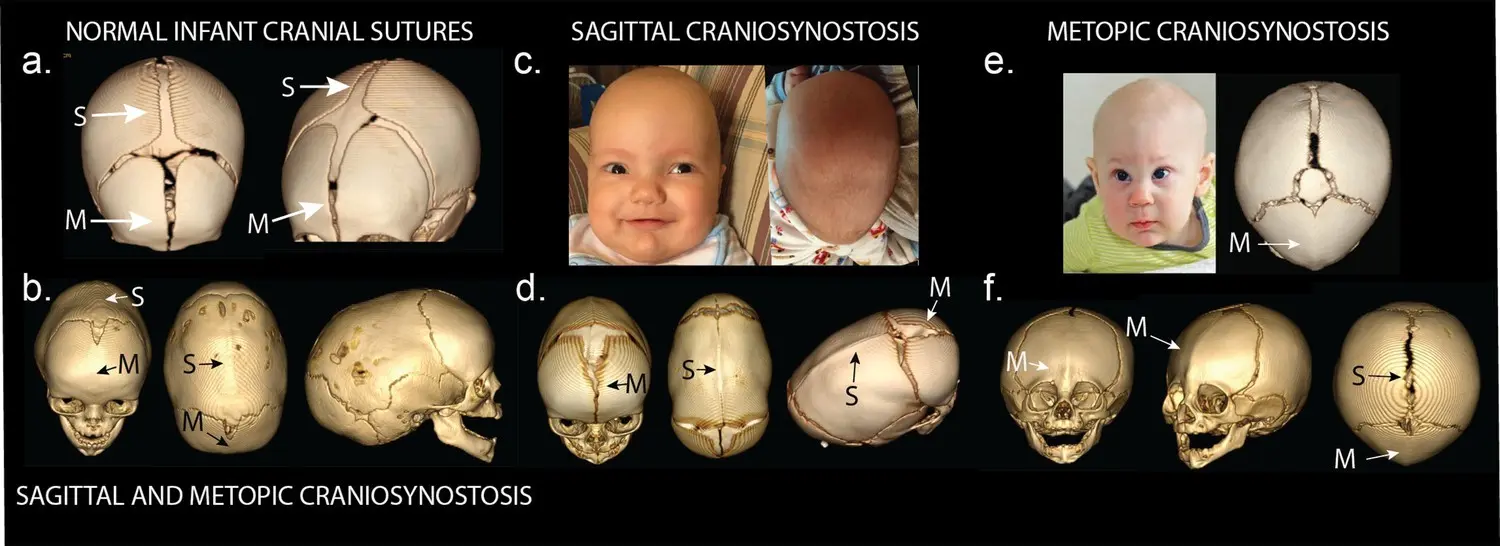
If so, they are likely to have craniosynostosis. Craniosynostosis is when a baby develops or is born with an abnormally shaped skull.

This happens when the natural spaces known as cranial sutures in the baby’s skull join earlier than they should.

The sutures should usually be joined only after the child reaches 2. This allows the brain to develop without any pressure from the skull.

Craniosynostosis affects the shape of the skull and the self-esteem of children. An odd-shaped head makes them feel odd and uncomfortable. They feel excluded from the rest of the crowd. It makes them feel lonely and isolated. They start feeling ashamed of their heads and ashamed of themselves.

But there’s a solution for this. Children with unusually shaped skulls no longer need to feel ashamed of their heads or themselves. They no longer need to feel excluded from the crowd. They no longer need to feel sad and isolated. Because there are treatment options available for craniosynostosis, by getting treatment for Craniosynostosis from the best neurology hospital in Guntur, one will not only get rid of craniosynostosis but also replace their isolation with happiness and shame with pride and confidence. They will no longer feel apart but will feel a part of society.

This article discusses craniosynostosis’s types, symptoms, causes, and treatment options.

First, let us understand the types of craniosynostosis.

What are the different types of craniosynostosis?

The different types of Craniosynostosis are as follows:

Sagittal synostosis

  • The sagittal suture, which runs along the top of the skull, unites relatively early in this condition. The head grows taller but narrower than it should in this kind of Craniosynostosis. Boys are more likely to experience this.

Coronal craniosynostosis

• The sutures that connect the top of the head to the ears fuse sooner than they should in this case. The kid will have a flat forehead if he or she has this form of Craniosynostosis. Girls are more likely to experience this.

Synostosis metopic

• The sutures that connect the sagittal suture to the nose fuse quite quickly. As a result, the scalp develops a triangle shape.

Synostosis of the lambdoid

This type of craniosynostosis affects the lambdoid suture at the back of the skull, forming a flat-topped head.

The best neurologist in Guntur can treat the types as mentioned above of craniosynostosis.

What are the symptoms of Craniosynostosis?

The common symptoms of Craniosynostosis are as follows:

  • An unusually shaped skull
  • The head grows slower than the body
  • Formation of a hard ridge along the suture.
  • The fontanel disappears soon.

If you experience any of the above symptoms of cranial synostosis, it is advisable to seek help from Rao Hospital in Guntur.

What are the causes and risk factors of Craniosynostosis?

Craniosynostosis can be either syndromic or nonsyndromic. Syndromic Cranial Synostosis occurs with other birth defects. With Cranial Synostosis, changes may be in genes that further affect different parts of the body, like fingers, heart, etc. Cell defects in the sutures may be the cause of Nonsyndromic Cranial Synostosis, which causes the sutures to fuse earlier than usual.

The following are the risk factors of craniosynostosis:

  • Taking valproic acid-like Depakote for epilepsy at the time of pregnancy may increase the risk of giving birth to a child having Craniosynostosis.
  • Babies whose mothers have thyroid disease or undergo thyroid treatment during pregnancy are more likely to be born with Craniosynostosis.
  • Babies whose mothers took fertility medicines like clomiphene citrate during pregnancy are more likely to be born with Craniosynostosis.

What are the treatment options for treating Craniosynostosis?

Surgery is an effective treatment option for cranial Synostosis. Best neurologist in Guntur can perform the surgery.

There are usually two types of surgeries that are preferred to treat Craniosynostosis. They are as follows-

• Conventional surgery:

In Guntur, a neurologist and a craniofacial surgeon perform the procedure. The neurosurgeon makes an incision across the top of the baby’s scalp and removes any sections of the skull that are out of form. The craniofacial surgeon then restores and replaces these pieces of the skull in the head. After that, stitches are applied. The doctor will later monitor the development of the skull.

• Endoscopic Surgery

In this procedure, your doctor in Guntur makes two small incisions in the scalp and uses an endoscope to cut the sutures. This procedure should be performed before the baby reaches the age of three months. After the treatment, wearing a molding helmet is recommended to allow your head to grow into its correct form.

It is essential to get timely treatment for Cranial Synostosis from the best neurosurgeon in Guntur to avoid further complications. If Cranial Synostosis is left untreated, the skull will continue to develop in an unusual manner, which may lead to additional complications and problems such as vision problems, etc. In a recent India today article.

Conclusion

This article explains craniosynostosis, its symptoms, causes, and treatment options. It is advisable to get proper and timely treatment for craniosynostosis from the best neurology hospital in Guntur to avoid further complications, to feel a part of the crowd and not feel apart from the crowd, and to develop a feeling of oneness and not feel different and odd! It is essential to get timely treatment for Craniosynostosis to replace discomfort with self-worth and self-esteem.

Dr. Rao’s Contact Information:


stroke-and-mechanical-thrombectomy at Dr Rao's Hosptial by Dr Rao

The best STROKE Treatment is MECHANICAL THROMBECTOMY

The most effective STROKE treatment is MECHANICAL THROMBECTOMY.

MECHANICAL THROMBECTOMY – Stroke is dangerous and very damaging. It is caused by a blood clot that disrupts the flow of blood to the brain.

However, it is now possible to overcome the dangerous stroke with a procedure called mechanical thrombectomy. Yes, mechanical thrombectomy treatment by the best neurologist in Guntur can help one successfully defeat a stroke.


But what is a mechanical thrombectomy?

Mechanical Thrombectomy is an effective stroke treatment. It helps remove blood clots that disturb blood flow in the body. Blood clots slow down blood flow in the body, causing different complications. Mechanical Thrombectomy removes these blood clots. It helps treat stroke and other complications caused by the formation of blood clots. Mechanical Thrombectomy help one deal with strokes and confront them effectively. Now, one can courageously face and defeat problems like a stroke with the help of mechanical thrombectomy treatment from the best neurology hospital in Guntur.

What Causes Stroke?

The common risk factors that lead to stroke are as follows:

· Improper Sleep

· Fear and anxiety

· Irregular eating habits

· Air Pollution

· Smoking and drinking alcohol

In case you get a stroke, it is advisable to seek immediate help from neurologists at Rao Hospital, Guntur. With treatments like mechanical thrombectomy, you are sure to recover from a stroke.

What kinds of devices are used in mechanical thrombectomy procedures?

Neurosurgeons in Guntur carry out mechanical thrombectomies to remove blood clots using the following tools:

· Stentriever mechanical thrombectomy

The latest mechanical device is a stentriever. The device is a self-expanding mesh tube attached to a wire-guided through a catheter (thin tube). The surgeon inserts the catheter in an artery in the groin and guides the catheter through various blood vessels up to the blood clot in the brain.

· Aspiration thrombectomy –

Aspiration thrombectomy entails either manual cluster yearning or the use of catheter equipment to suck the coagulation out of the vessel.

How is the mechanical thrombectomy procedure performed?

In mechanical thrombectomy, neurosurgeons in Guntur use a vacuum or mechanical gear to remove blood clots. Thus, the blood flow is restored, and stroke gets treated.

To achieve effective results, it is advisable to get mechanical thrombectomy treatment from the best neurology hospital in Guntur.

Why go for a mechanical thrombectomy?

In mechanical thrombectomy treatment, one has a window of 24 hours from the onset of a stroke to have a chance to recover from a stroke. This will help more patients recover from stroke and save them from the harmful impact of stroke. Mechanical Thrombectomy is a ray of hope for people affected by stroke. Mechanical Thrombectomy give them hope and courage to fight strokes. It gives life to their dead hopes and courage to fight stroke. It is a powerful weapon that helps people to win against difficult stroke. Mechanical Thrombectomy also leads to a speedy recovery from stroke. So, going for mechanical thrombectomy treatment at the best neurology hospital in Guntur is advisable.

What is the problem with mechanical thrombectomy?

Though mechanical thrombectomy is an effective procedure to treat stroke, there aren’t sufficient neurology hospitals in Guntur that provide this stroke treatment option.

Conclusion

In this article, we learned about stroke and the risk factors that cause a stroke. We also learned about mechanical thrombectomy treatment, which helps treat stroke. We learned about the devices used in mechanical thrombectomy treatment and its procedure. We also learned about the advantages and problems of mechanical thrombectomy in Guntur. A stroke is a severe problem. Before it defeats you, you defeat it with the help of mechanical thrombectomy treatment from the best doctor in Guntur. Mechanical Thrombectomy not only gives you life but also gives life to your dead hopes and courage. Mechanical Thrombectomy is a powerful and effective weapon that helps you battle stroke. It enables you to defeat death and makes your life win this battle. So, now it’s time to make your life a winner, not the time to lose it and allow it to perish! Now it’s time to defeat and not get defeated! Now is the time to win! Now is the time to live!

Dr. Rao’s Contact Information: