Tag Archives: Guntur neurosurgeon

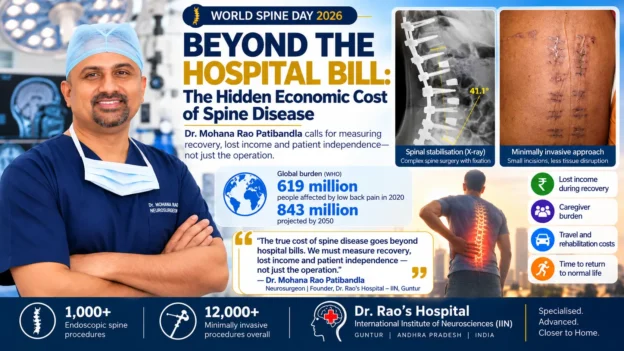
Dr. Mohana Rao Patibandla highlights the hidden economic cost of spine disease for World Spine Day 2026, featuring lumbar fixation X-ray and minimally invasive spine surgery skin incisions.

Hidden Economic Cost of Spine Disease | Dr. Rao


Beyond the Hospital Bill: The Hidden Economic Cost of Spine Disease


Following World Spine Day 2026, Dr. Mohana Rao Patibandla calls for a more patient-centred approach to spine care that considers recovery, lost income, caregiver burden and independence.


When patients think about the cost of spine surgery, they usually consider the hospital bill, surgical fees, implants, medicines and investigations. However, the financial impact of spinal disease can extend well beyond these immediate expenses.

Time away from work, travel for treatment, rehabilitation, assistance from family members and the time required to resume everyday activities can all contribute to the wider burden of spinal disease.


This World Spine Day, Dr. Mohana Rao Patibandla, founder and chief neurosurgeon at Dr. Rao’s Hospital – International Institute of Neurosciences (IIN), Guntur, Andhra Pradesh, highlights an important question: Should the value of spine surgery be measured only by the cost of the operation, or should we also consider the patient’s recovery and ability to return to everyday life?


Why the Economic Burden of Spine Disease Matters


Spinal disorders can affect mobility, employment, sleep, physical activity and quality of life. For some patients, persistent back pain makes it difficult to perform routine tasks. For others, a serious spinal condition may interrupt employment or require family members to provide ongoing assistance.


The World Health Organization estimates that low back pain affected approximately 619 million people worldwide in 2020. The number is projected to reach 843 million by 2050.


Low back pain is the leading cause of disability worldwide. Its consequences extend beyond physical discomfort to participation in work, family responsibilities and social life.


These figures underline why spinal health deserves attention not only as a medical issue but also as a public-health and economic concern.


Read the World Health Organization’s fact sheet on low back pain.


The Hidden Costs Patients and Families May Overlook


1. Lost income during recovery

For salaried employees, time away from work can affect earnings and professional responsibilities. For self-employed people, small-business owners and daily-wage workers, even a short interruption may create financial pressure.


The time needed to resume work varies according to the diagnosis, procedure, physical demands of the job, recovery and the individual’s overall health. Patients should discuss realistic return-to-work expectations with their treating team.


2. Caregiver burden

Family members often help patients with transport, household activities, appointments and daily care. This support is valuable, but it may require caregivers to take time away from employment or other responsibilities.


Considering the patient’s recovery also means recognising the practical demands placed on the family.


3. Travel and rehabilitation expenses

Patients travelling long distances for specialist treatment may incur transport, accommodation and food expenses. Depending on the condition and treatment plan, rehabilitation, follow-up visits and assistance at home may add to the total cost of care.


Access to appropriate specialist services closer to home may reduce some travel-related burdens, although the actual financial benefit depends on the patient’s circumstances.


4. Delayed return to normal activities

Recovery is not measured solely by the number of days spent in hospital. Mobility, independence, comfort, functional improvement and the ability to resume appropriate daily activities are also important considerations.


These outcomes differ between patients and procedures. They should be discussed realistically rather than promised as guaranteed benefits of a particular surgical technique.


Understanding the Hidden Economic Cost of Spine Disease


Dr. Mohana Rao Patibandla, founder and chief neurosurgeon at Dr. Rao’s Hospital – International Institute of Neurosciences (IIN), Guntur, Andhra Pradesh, highlights the importance of looking beyond the immediate hospital bill when evaluating the true economic burden of spine disease. As discussed in his press release, “Beyond the Hospital Bill: Guntur Neurosurgeon Calls for Measuring the Hidden Economic Cost of Spine Disease”, the impact of spinal disorders can extend to lost productivity, travel expenses, rehabilitation, caregiver responsibilities and delayed return to work or daily activities. A comprehensive assessment of spine care should therefore consider not only the cost of treatment but also functional recovery, quality of life and the patient’s ability to regain independence. This patient-centred perspective supports more informed discussions about minimally invasive spine surgery, rehabilitation and long-term treatment planning, while recognising that the most appropriate procedure depends on each patient’s diagnosis, clinical needs and individual circumstances.


How Minimally Invasive Spine Surgery Fits Into the Discussion


Minimally invasive spine surgery (MIS) uses specialised surgical approaches and instruments to access selected spinal conditions while limiting disruption to surrounding tissues.


Depending on the diagnosis and procedure, minimally invasive techniques may offer advantages such as reduced blood loss, smaller incisions and shorter hospital stays compared with certain conventional open procedures.


Endoscopic spine surgery is one form of minimally invasive treatment. It uses an endoscope and specialised instruments to visualise and treat selected spinal problems through a targeted surgical approach.


However, minimally invasive surgery is not appropriate for every spinal condition, and it is not automatically less expensive in every setting. Costs depend on the procedure, equipment, implants, hospitalisation, rehabilitation and other individual factors.


The right surgical approach must be determined by clinical assessment, imaging findings, spinal anatomy, the nature of the disease and the patient’s overall health.


Patients should ask their surgeon about the expected benefits, risks, alternatives, likely recovery requirements and total anticipated expenses before making a treatment decision.


What Does the Research Say About Cost and Recovery?

Published comparative research has reported potential advantages of minimally invasive techniques in selected lumbar fusion procedures, including lower blood loss and shorter hospital stays in some studies. Economic findings, however, vary across procedures, institutions and study designs.


International findings should not automatically be interpreted as guaranteed savings for patients in India. Local treatment costs, access to rehabilitation, employment patterns and individual recovery requirements can influence the overall economic impact.


For this reason, claims about cost savings should be based on appropriately designed economic evaluations rather than assumptions based on incision size or hospital stay alone.


A Better Way to Evaluate the Value of Spine Care

Dr. Mohana Rao Patibandla believes that a broader discussion of spine care should consider clinical outcomes alongside the wider burden of treatment and recovery.


“The true cost of spine disease goes beyond hospital bills. We must measure recovery, lost income and patient independence—not just the operation.”

— Dr. Mohana Rao Patibandla, Neurosurgeon

A more comprehensive evaluation of spine care can consider several areas:


  • Clinical outcomes: Functional improvement, complications, readmissions and other relevant measures of safety and effectiveness.

  • Direct medical expenses: Hospitalisation, investigations, medicines, implants and surgical fees.

  • Recovery-related expenses: Rehabilitation, transport, follow-up and assistance at home.

  • Work and productivity: Time away from employment and the ability to resume appropriate activities.

  • Patient independence: Mobility, daily functioning and the support required during recovery.

These measures can help patients understand the wider implications of treatment and provide a foundation for future research into the cost-effectiveness of different approaches to spine care.


Spine Care at Dr. Rao’s Hospital, Guntur

Dr. Rao’s Hospital – International Institute of Neurosciences (IIN), Guntur, provides specialised neurological, neurosurgical and spine services, including minimally invasive and endoscopic spine surgery for appropriately selected patients.


According to hospital records, Dr. Mohana Rao Patibandla’s clinical experience includes more than 1,000 endoscopic spine procedures and more than 12,000 minimally invasive procedures overall. These figures represent separate categories of clinical activity and should not be interpreted as comparative evidence of cost savings or clinical outcomes.


The hospital’s approach to spine care focuses on individual assessment, appropriate treatment selection and discussion of the expected benefits, risks and recovery requirements of available options.


Patients seeking evaluation for back pain, neck pain, disc disease, spinal stenosis or other spinal conditions should receive a diagnosis-based treatment plan. Many cases of back pain do not require surgery and may be managed with appropriate non-surgical care.


Medtronic NIM Eclipse intraoperative neuromonitoring system displaying multichannel neurophysiological waveforms during neurosurgical monitoring at Dr. Rao’s Hospital.

Intraoperative neurophysiological monitoring using the Medtronic NIM Eclipse system to display real-time neural response waveforms during surgery.

Medtronic StealthStation S8 neuronavigation system used for image-guided neurosurgery and precision planning at Dr. Rao’s Hospital, Guntur.

Medtronic StealthStation S8 neuronavigation system supporting image-guided planning and navigation in advanced brain and spine surgery.


When Should You Seek Medical Attention for Back Pain?

Persistent, recurrent or worsening back pain that interferes with normal activities deserves medical assessment. Symptoms such as progressive limb weakness, new bladder or bowel dysfunction, or numbness around the groin or saddle region require urgent medical evaluation.


Early assessment can help identify the cause of symptoms and determine whether non-surgical treatment, further investigations or specialist intervention is needed.

World Spine Day 2026: Looking Beyond the Operation

World Spine Day, observed on 16 October, provides an opportunity to raise awareness of spinal health, prevention, access to care and the impact of spinal disorders on everyday life.


The conversation should extend beyond surgical technology to include the patient’s experience before, during and after treatment.


 Clinical effectiveness and safety remain essential, while affordability, recovery, independence and family burden also deserve attention.


The future of spine care should be measured not only by what happens in the operating room, but also by how comprehensively we understand the patient’s recovery and the wider burden of spinal disease.


Frequently Asked Questions

What is the economic burden of spine disease?

The economic burden includes direct medical expenses and other costs associated with illness, such as lost income, transport, rehabilitation, caregiver time and disruption to daily activities.


Does minimally invasive spine surgery always cost less?

No. Costs vary according to the procedure, equipment, implants, hospital, recovery needs and individual circumstances. Minimally invasive surgery may offer advantages in selected cases, but savings are not guaranteed.


What are the potential advantages of endoscopic spine surgery?

For appropriately selected conditions, endoscopic spine surgery may allow targeted treatment through a small access route with limited tissue disruption. Suitability and outcomes depend on the diagnosis, anatomy and surgeon’s assessment.


Does every patient with back pain need surgery?

No. Many patients can be managed with non-surgical treatment. Surgery is considered when the diagnosis, symptoms, clinical findings and response to other treatments support an operative approach.


How should patients compare spine surgery options?

Patients should discuss the expected clinical benefits, risks, alternatives, total anticipated expenses, recovery requirements and follow-up plan with their treating surgeon.


About Dr. Rao’s Hospital – International Institute of Neurosciences

Dr. Rao’s Hospital – International Institute of Neurosciences (IIN) is a specialised neurological, neurosurgical and spine-care institution located in Guntur, Andhra Pradesh, India. Founded by Dr. Mohana Rao Patibandla, the hospital provides specialised services across multiple areas of neurosciences.

Address: 12-19-67, Old Bank Road, Kothapet, Opposite Sravani Hospital, Guntur, Andhra Pradesh, India.

Phone: +91 90100 56444

Email: info@drraoshospitals.com

Website: https://drraoshospitals.com/


YouTube

Facebook  

Instagram 

Google
GMB
 

LinkedIn 

X /
Twitter

Dr
Mohana Rao Patibandla Wiki

Dr
Mohana Rao Patibandla


Editorial note: This article is intended for general educational purposes and does not replace individual medical advice. Treatment decisions should be made in consultation with a qualified healthcare professional.

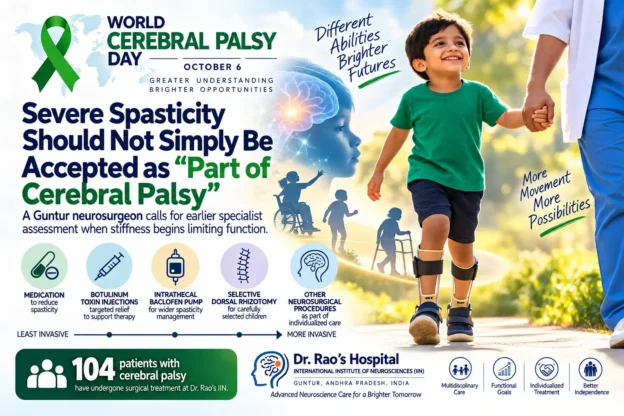
World Cerebral Palsy Day infographic showing severe spasticity treatment options and Dr. Rao's Hospital in Guntur

Severe Spasticity in Cerebral Palsy Should Not Simply Be Accepted: When Specialist Assessment Can Help

Severe Spasticity in Cerebral Palsy Should Not Simply Be Accepted: When Specialist Assessment Can Help


Cerebral palsy is a lifelong condition affecting movement and posture, but severe
muscle stiffness should not automatically be accepted as something a child simply
has to live with. When spasticity begins limiting movement, walking, sitting,
transfers, dressing, hygiene or rehabilitation, a detailed specialist assessment
can help determine whether there are treatable components.


What Is Cerebral Palsy?


Cerebral palsy is a lifelong disorder of movement and posture caused by disturbances
in the developing brain. Its clinical presentation can vary considerably from one
child to another.


Some children have predominantly spasticity, while others may have
dystonia, weakness, impaired coordination, or a combination of
these problems.


This difference is important because the same treatment is not appropriate for every
child with cerebral palsy.


The first step should therefore be to understand what is actually limiting the
child’s function and whether any part of that limitation may be modifiable.


What Is Spasticity in Cerebral Palsy?


Spasticity refers to abnormal muscle tone that can make movement stiff or difficult.
In a child with cerebral palsy, significant spasticity may restrict movement that
the child otherwise has the potential to perform.


The important clinical question is not simply whether a child has cerebral palsy.
It is whether abnormal muscle tone is preventing the child from using voluntary
movement that is already present.


The key question is whether spasticity is limiting movement already present and,
if so, whether reducing that spasticity could improve movement, daily activities
and rehabilitation.


Severe Spasticity Should Not Automatically Be Considered “Just Part of CP”


A diagnosis of cerebral palsy does not mean that every functional limitation should
automatically be attributed to the underlying condition.


When increasing stiffness begins interfering with a child’s function, specialist
assessment may help determine whether spasticity, dystonia, weakness or another
neurological problem is the dominant limitation.


The goal is not to promise that surgery will make a child “normal.” The goal is to
identify potentially modifiable problems, reduce barriers to movement where
appropriate, and give the child the best possible opportunity to use the function
they have.


When Should a Child With Cerebral Palsy Be Reassessed?


Earlier specialist assessment does not necessarily mean earlier surgery.
It means identifying potentially treatable problems before they become accepted as
an unavoidable explanation for every functional limitation.


A specialist assessment may be particularly relevant when:


  • Increasing stiffness interferes with walking or mobility
  • Sitting becomes increasingly difficult
  • Transfers become more difficult
  • Dressing or personal hygiene becomes difficult because of abnormal tone
  • Functional progress has plateaued despite appropriate rehabilitation
  • Repeated focal treatments provide only temporary benefit
  • It is unclear whether spasticity, dystonia, weakness or another neurological
    problem is the main functional limitation


The objective is to identify the child’s modifiable problems and establish
realistic functional goals.


Cerebral Palsy Treatment Is Multidisciplinary


Cerebral palsy management should not be viewed as a choice between rehabilitation
and neurosurgery.


Depending on the individual child, treatment may involve a combination of:


  • Physiotherapy
  • Occupational therapy
  • Antispastic medications
  • Botulinum toxin injections
  • Intrathecal baclofen
  • Orthopaedic procedures
  • Selected neurosurgical procedures


Neurosurgery, when appropriate, should be considered as one component of a much
longer rehabilitation pathway rather than as the end of treatment.


Reducing abnormal muscle tone may, in carefully selected children, create a better
environment in which rehabilitation can help the child make use of the movement
that remains.


What Is Selective Dorsal Rhizotomy (SDR)?


Selective dorsal rhizotomy (SDR) is a neurosurgical procedure
used in carefully selected children with significant lower-limb spasticity.


During SDR, selected sensory nerve rootlets contributing to lower-limb spasticity
are divided with the aim of reducing abnormal muscle tone.


Because SDR is an irreversible procedure, the decision to perform
it should never be based on the diagnosis of cerebral palsy alone.


Appropriate patient selection, detailed neurological assessment, functional goals,
multidisciplinary evaluation and discussion of potential complications and
uncertainties are essential.


Who May Be Considered for Selective Dorsal Rhizotomy?


Not every child with cerebral palsy and spasticity is a candidate for SDR.


The press release cites NICE guidance that recommends consideration of selective
dorsal rhizotomy for appropriately selected children and young people with
spasticity affecting the lower limbs, particularly those at GMFCS levels II or III,
following multidisciplinary assessment.


The decision should also take into account the irreversible nature of the procedure,
known complications, uncertainty surrounding some long-term outcomes, and the
availability of intensive rehabilitation after treatment.


What Does the Evidence Say About Selective Dorsal Rhizotomy?


The evidence surrounding SDR supports a careful and selective approach rather than
offering the procedure to every child with cerebral palsy.


A 2025 systematic review and meta-analysis cited in the release found significant
improvements in measures of lower-limb spasticity and gross motor function following
SDR in children with cerebral palsy, while also noting limitations in the available
evidence and follow-up.


Longer-term reviews have highlighted uncertainties regarding functional outcomes
and the quality and consistency of the available evidence.


Potential complications also need to be considered. Reviews of SDR complications
have reported structural and neurological complications, reinforcing the importance
of careful patient selection and long-term surveillance during growth.


Therefore, the evidence does not support treating SDR as a procedure that should be
automatically offered to every child with cerebral palsy.


Why Specialist Assessment Matters More Than Simply Choosing Surgery


The important question for a child with cerebral palsy is not simply:

“Does my child need surgery?”


A more useful starting question is:


“What is actually limiting my child’s function, and is any part of it treatable?”


This approach helps distinguish between spasticity, dystonia, weakness and other
factors that may affect function.


It also allows the treatment plan to be built around the child’s actual functional
goals rather than around a procedure.


Dr. Rao’s Hospital Reports Surgical Treatment of 104 Patients With Cerebral Palsy


Dr. Rao’s Hospital – International Institute of Neurosciences (IIN), Guntur,
reports surgical treatment of 104 patients with cerebral palsy.


According to the institutional experience described in the World Cerebral Palsy Day
release, this experience has reinforced the importance of individualized treatment
rather than applying one procedure to every child.


The hospital evaluates and provides a range of approaches for clinically significant
spasticity, including medical management, botulinum toxin therapy, intrathecal
baclofen and selected neurosurgical procedures.


Decisions regarding surgery are based on the individual child’s neurological
examination, functional limitations, pattern of tone, treatment goals,
rehabilitation potential and multidisciplinary assessment.


Three Questions Every Family Should Ask During a Specialist Assessment


Families considering treatment for significant spasticity may find it useful to
discuss these three questions with the treating team:


  1. Is the main problem spasticity, dystonia, weakness or a combination of these?


  1. What voluntary movement does my child already have that may be hidden or
    restricted by abnormal muscle tone?


  1. If treatment reduces the abnormal tone, what specific rehabilitation programme
    will help my child use the movement that remains?


These questions shift the conversation away from simply asking how to reduce muscle
stiffness. They bring the discussion back to the real goal: improving the child’s
function and independence.


What Is the Goal of Cerebral Palsy Surgery?


The purpose of cerebral palsy surgery is not to “cure” cerebral palsy or to make a
child normal.


The purpose is to identify what may be modifiable, reduce barriers to movement where
appropriate, and provide the child with the best possible opportunity to use their
existing functional potential.


For appropriately selected children, treatment of significant spasticity may become
one component of a broader rehabilitation programme.


This is why postoperative rehabilitation is not an optional afterthought. It is an
important part of the overall treatment pathway.


World Cerebral Palsy Day: A Different Conversation About Spasticity


World Cerebral Palsy Day provides an opportunity to recognize people living with
cerebral palsy and the families and professionals supporting them.


It is also an opportunity to look beyond the diagnosis itself and consider potentially
modifiable factors that influence function throughout childhood.


Severe, function-limiting spasticity should not automatically be accepted as an
unavoidable part of cerebral palsy.


At the same time, this does not mean that every child with cerebral palsy needs
neurosurgery. The appropriate approach is individualized assessment followed by
treatment that matches the child’s neurological findings, functional goals,
rehabilitation potential and overall needs.


When Should Parents Seek a Specialist Opinion?


Parents may consider specialist assessment when their child’s increasing stiffness
begins to interfere with function or when progress has stopped despite appropriate
rehabilitation.


A specialist assessment can help determine:

  • What type of abnormal muscle tone is present
  • Which movements are being restricted
  • Whether spasticity is the principal functional limitation
  • What treatment options are available
  • Whether rehabilitation alone may be appropriate
  • Whether medication, injections, intrathecal therapy, orthopaedic treatment or neurosurgery should be considered
  • What functional goals should guide treatment


Cerebral Palsy Treatment Should Be Built Around the Child


Every child with cerebral palsy is different. The pattern of spasticity, dystonia,
weakness, coordination problems, existing voluntary movement, functional goals and
rehabilitation potential can vary substantially.


Therefore, treatment should not begin with a procedure. It should begin with a
careful assessment of the child and a clear understanding of what is limiting
function.


For selected children, reducing severe spasticity may create an opportunity for
more effective rehabilitation and improved use of existing movement. For others,
non-surgical management may remain the most appropriate strategy.


The goal is always individualized care rather than a one-size-fits-all approach.


Dr. Mohana Rao Patibandla – Pediatric Neurosurgeon in Guntur


Dr. Mohana Rao Patibandla is the Founder and Chief Neurosurgeon of
Dr. Rao’s Hospital – International Institute of Neurosciences (IIN)
in Guntur, Andhra Pradesh.


His clinical training and practice include pediatric neurosurgery, minimally invasive
neurosurgery, skull base surgery, cerebrovascular and endovascular neurosurgery,
neuro-oncology and stereotactic radiosurgery.


Dr. Rao’s Hospital is a dedicated neurosciences centre providing neurological and
neurosurgical care, including pediatric neurosurgery and management of complex
neurological conditions.


Cerebral Palsy and Spasticity Evaluation in Guntur


If your child has cerebral palsy and severe or increasing spasticity is affecting
walking, sitting, transfers, dressing, hygiene, rehabilitation or other daily
activities, a specialist assessment can help identify the factors limiting function
and discuss appropriate treatment options.


Dr. Rao’s Hospital – International Institute of Neurosciences (IIN)

Old Bank Road, Kothapeta, Guntur, Andhra Pradesh, India
Phone:
+91 90100 56444
Email:
info@drraoshospitals.com


Visit Dr. Rao’s Hospital

YouTube

Facebook  

Instagram 

Google GMB 

LinkedIn 

X / Twitter

Dr Mohana Rao Patibandla Wiki

Dr Mohana Rao Patibandla


Frequently Asked Questions About Cerebral Palsy and Spasticity


Can cerebral palsy be cured?

Cerebral palsy is a lifelong disorder related to disturbances in the developing brain.
The purpose of treatment is not to cure cerebral palsy, but to manage symptoms,
reduce functional barriers where possible and help the child achieve the best
possible function and independence.


Is severe spasticity always part of cerebral palsy?

Spasticity is common in cerebral palsy, but not every child has the same pattern of
abnormal tone. Some children may have dystonia, weakness, impaired coordination or
combinations of these problems. A specialist assessment can help determine what is
actually limiting function.


Does every child with cerebral palsy need neurosurgery?

No. The appropriate treatment depends on the individual child. Management may include
rehabilitation, medications, botulinum toxin, intrathecal baclofen, orthopaedic
treatment or selected neurosurgical procedures.


What is selective dorsal rhizotomy?

Selective dorsal rhizotomy, or SDR, is a neurosurgical procedure in which selected
sensory nerve rootlets contributing to lower-limb spasticity are divided to reduce
abnormal muscle tone. Because the procedure is irreversible, careful patient
selection and multidisciplinary assessment are essential.


Is selective dorsal rhizotomy suitable for every child with cerebral palsy?

No. SDR is considered only for appropriately selected children. The child’s pattern
of spasticity, neurological findings, functional goals, rehabilitation potential,
potential complications and the uncertainty surrounding some long-term outcomes
should all be discussed before treatment.


Why is rehabilitation important after treatment for spasticity?

Reducing abnormal muscle tone does not by itself guarantee functional improvement.
Rehabilitation helps the child learn to use the movement that remains and work toward
specific functional goals.


When should parents seek a specialist opinion for spasticity?

Specialist assessment may be appropriate when increasing stiffness interferes with
walking, sitting, transfers, dressing, hygiene or rehabilitation, when functional
progress plateaus, or when it is unclear whether spasticity, dystonia, weakness or
another neurological problem is the main limitation.


Clinical Evidence and References


The educational information in this article is based on the World Cerebral Palsy Day
discussion published by Dr. Rao’s Hospital and the clinical evidence cited in that
release, including NICE guidance and systematic reviews concerning selective dorsal
rhizotomy.


  • National Institute for Health and Care Excellence (NICE).
    Cerebral palsy in under 25s: assessment and management. NICE Guideline NG62.


  • National Institute for Health and Care Excellence (NICE).
    Spasticity in under 19s: management. NICE Guideline CG145.


  • Otero-Luis I, et al. Efficacy of selective dorsal rhizotomy in the treatment of
    spasticity in children with cerebral palsy: a systematic review and meta-analysis.
    Journal of Neurosurgery: Pediatrics. 2025;35(6):571–580.


  • Himmelmann K, et al. Long-term effects of selective dorsal rhizotomy in children
    with cerebral palsy: a systematic review. Developmental Medicine & Child Neurology.
    2019.


  • Systematic review of complications following selective dorsal rhizotomy in cerebral
    palsy, as cited in the World Cerebral Palsy Day release.


Medical Disclaimer

This article is intended for general educational and informational purposes only.
It does not replace an individual medical consultation, diagnosis or treatment plan.
Not every child with cerebral palsy or spasticity is a candidate for surgery.
Treatment decisions should be made following appropriate neurological, functional
and multidisciplinary assessment and discussion of the potential benefits, risks,
alternatives and uncertainties with the child’s treating specialists.

Dr. Mohana Rao Patibandla featured in Forbes India’s Dynamic Leaders Powering India’s Future

Dr. Mohana Rao Patibandla Featured in Forbes India: A Journey of International Neurosurgical Training, Research and Healthcare Leadership

Dr. Mohana Rao Patibandla Featured in Forbes India’s “Dynamic Leaders Powering India’s Future”


Guntur, Andhra Pradesh — October 2026

The journey of building advanced neurosurgical care in India is increasingly being shaped by doctors who combine clinical expertise, international training, research and healthcare leadership. Dr. Mohana Rao Patibandla, Founder & CEO of Dr. Rao’s Hospital – International Institute of Neurosciences (IIN), Guntur, has been featured in the Forbes India Brand Connect feature “Dynamic leaders powering India’s future.”


The feature brings together leaders from different sectors who are contributing to India’s evolving economic and professional landscape. Within the healthcare sector, Dr. Mohana Rao Patibandla is profiled for his work in advancing specialized neurosurgical care from Guntur, Andhra Pradesh.

FORBES FEATURED ARTICLE: Dynamic leaders powering India’s future.”

From Neurosurgical Training to Building an Institution


Dr. Mohana Rao Patibandla’s profile reflects a career built around advanced neurosurgical training and the development of specialized healthcare infrastructure.


According to the Forbes India profile, Dr. Rao completed his neurosurgery training at Nizam’s Institute of Medical Sciences (NIMS), Hyderabad, before pursuing fellowship training in the United States across multiple neurosurgical subspecialties. His international training included skull base surgery, pediatric neurosurgery, neuro-oncology, cerebrovascular and endovascular neurosurgery, functional stereotactic radiosurgery, and minimally invasive techniques.


This multidisciplinary exposure has been an important part of his approach to neurosurgery, where complex neurological conditions may require expertise extending across several subspecialties.


Today, he leads Dr. Rao’s Hospital – International Institute of Neurosciences (IIN), Guntur, which the profile describes as a standalone institute dedicated to advanced brain, spine, stroke and nerve care.


FORBES FEATURED ARTICLE: Dynamic leaders powering India’s future.


Bringing Internationally Benchmarked Neurosurgery to Guntur


One of the central themes of Dr. Rao’s professional journey has been the effort to make advanced neurosurgical expertise available closer to patients in India.


International training can provide exposure to different surgical techniques, technologies, multidisciplinary systems and approaches to complex neurological disorders. Translating that experience into an Indian healthcare environment, however, requires more than individual surgical expertise. It requires infrastructure, trained teams, technology, research and a sustained commitment to patient outcomes.


The Forbes India profile describes Dr. Rao’s continuing focus as bringing “globally benchmarked, evidence-based neurosurgical care to India” while advancing innovation, education and patient outcomes.


For a healthcare institution based in Guntur, this vision carries particular significance. It reflects a broader shift in Indian healthcare in which sophisticated specialty care is increasingly being developed outside the country’s traditional metropolitan medical centres.


FORBES FEATURED ARTICLE: Dynamic leaders powering India’s future.


Research as an Integral Part of Neurosurgical Practice


The Forbes India profile also highlights Dr. Rao’s research achievements.


His work has received recognition including the Brainlab Neurosurgery Best Paper Award at the Congress of Neurological Surgeons (CNS), USA, as well as Best Paper honours at MISSABCON and PASMISSCON. The profile also notes the COSSCON Gold Medal for spine surgery research.


These recognitions add another dimension to his professional journey.


Modern neurosurgery is not limited to performing operations. It also involves continually evaluating techniques, studying outcomes, presenting clinical experience, participating in academic meetings and contributing to the wider body of medical knowledge.


For Dr. Rao, research and clinical practice are therefore closely connected.


FORBES FEATURED ARTICLE: Dynamic leaders powering India’s future.


A Healthcare Entrepreneur With a Neurosurgical Focus


The Forbes India profile identifies Dr. Rao not only as a neurosurgeon but also as a healthcare entrepreneur.


This distinction is important.


Building a specialized neuroscience institution involves bringing together clinical expertise with healthcare infrastructure, technology, people, systems and long-term institutional planning.


The objective is not simply to create a hospital building. It is to create an environment in which patients with complex neurological and neurosurgical conditions can receive coordinated care.


This combination of medicine and institution-building forms an important part of Dr. Rao’s professional identity.


FORBES FEATURED ARTICLE: Dynamic leaders powering India’s future.


A Broader Vision for Neurosurgical Care in India


The profile places Dr. Rao among a wider group of professionals described under the theme “Dynamic leaders powering India’s future.” The feature discusses leaders across sectors including technology, architecture, pharmaceuticals, manufacturing, real estate and healthcare.


Within that broader context, Dr. Rao’s story represents the role that specialized healthcare can play in India’s development.


India’s healthcare needs are changing rapidly. Patients increasingly seek access to sophisticated diagnostic and treatment options, while advances in technology are expanding what can be achieved in neurosurgery.


The challenge is to translate those advances into safe, evidence-based and accessible care.


That is the direction reflected in Dr. Rao’s stated commitment to globally benchmarked neurosurgical care, innovation, education and patient outcomes.


FORBES FEATURED ARTICLE: Dynamic leaders powering India’s future.


Why the Forbes India Feature Matters


Being included in a national leadership feature provides an opportunity to place a regional healthcare story within a larger national narrative.


For Dr. Mohana Rao Patibandla, the feature brings together several aspects of his professional journey:


International training.
Advanced fellowship exposure across multiple neurosurgical subspecialties in the United States.


Institution building.
Leadership of Dr. Rao’s Hospital – International Institute of Neurosciences in Guntur.


Research.
Recognition through international and national neurosurgical research awards.


Innovation.
A professional focus that includes minimally invasive and advanced neurosurgical techniques.


Evidence-based care.
A stated commitment to globally benchmarked, evidence-based neurosurgical practice and improved patient outcomes.


Together, these elements provide a picture of a neurosurgeon whose work extends beyond the operating room into research, education, innovation and healthcare institution building.


FORBES FEATURED ARTICLE: Dynamic leaders powering India’s future.


Looking Ahead


The future of neurosurgery in India will depend not only on technological advancement but also on the ability to develop skilled teams, research-driven clinical practice and specialized institutions capable of managing increasingly complex neurological disorders.


Dr. Mohana Rao Patibandla’s journey from advanced neurosurgical training to building a dedicated neuroscience institution in Guntur reflects this broader evolution.


His Forbes India profile highlights a simple but important idea: world-class healthcare does not have to be limited to the largest metropolitan centres.


With the right combination of expertise, infrastructure, research and commitment to patient outcomes, advanced neurosurgical care can continue to develop across India.


For Dr. Rao and Dr. Rao’s Hospital – International Institute of Neurosciences, the focus remains on advancing neurological and neurosurgical care while contributing to innovation, education and better patient outcomes.


FORBES FEATURED ARTICLE: Dynamic leaders powering India’s future.


About Dr. Mohana Rao Patibandla


Dr. Mohana Rao Patibandla is an internationally trained neurosurgeon and healthcare entrepreneur and the Founder & CEO of Dr. Rao’s Hospital – International Institute of Neurosciences (IIN), Guntur. His training includes neurosurgery at NIMS, Hyderabad, followed by fellowship exposure in skull base surgery, pediatric neurosurgery, neuro-oncology, cerebrovascular and endovascular neurosurgery, functional stereotactic radiosurgery and minimally invasive techniques in the United States. His research has received recognition including the Brainlab Neurosurgery Best Paper Award at CNS, USA, Best Paper honours at MISSABCON and PASMISSCON, and the COSSCON Gold Medal for spine surgery research.


About the Forbes India Feature


The profile “Dynamic leaders powering India’s future” was published under Forbes India Brand Connect and includes profiles of leaders from multiple sectors. Forbes India explicitly notes that Brand Connect pages are equivalent to advertisements and are not written or produced by Forbes India journalists.

YouTube

Facebook  

Instagram 

Google GMB 

LinkedIn 

X / Twitter

Dr Mohana Rao Patibandla Wiki

Dr Mohana Rao Patibandla

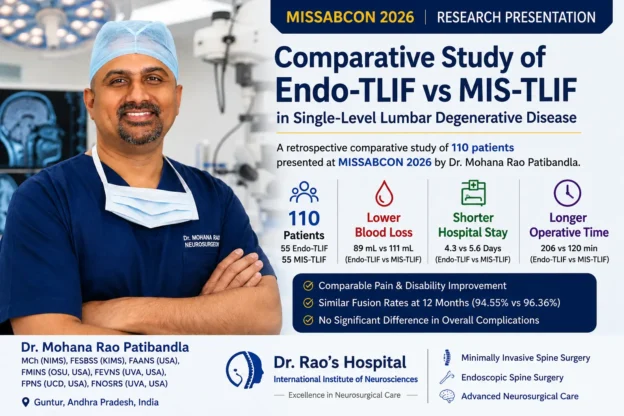
Dr. Rao in a neurosurgical operating room alongside an infographic summarising his 110-patient Endo-TLIF versus MIS-TLIF study presented at MISSABCON 2026.

Endo-TLIF vs MIS-TLIF: 110-Patient Study Presented at MISSABCON 2026 | Dr. Rao

MISSABCON 2026 | Neurosurgical Research

Endo-TLIF vs MIS-TLIF: What a 110-Patient Study Presented at MISSABCON 2026 Found

A comparative study presented by Dr. Rao examines two minimally invasive
approaches to lumbar fusion, looking at blood loss, hospital stay,
operative time, pain, disability, fusion and complications.

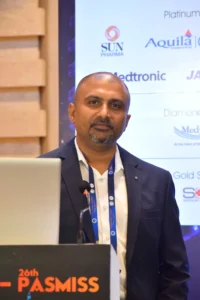
Dr. Rao presenting his Endo-TLIF versus MIS-TLIF comparative study during a scientific session at MISSABCON 2026.

Dr. Rao presents his comparative research on Endo-TLIF versus MIS-TLIF at MISSABCON 2026, examining outcomes of minimally invasive lumbar fusion in patients with single-level lumbar degenerative disease.

Dr. Rao presents his comparative research on Endo-TLIF versus MIS-TLIF
during a scientific session at MISSABCON 2026.

A Simple Question Behind a Complex Spine Surgery Study

Minimally invasive spine surgery has changed considerably over the last
several years. Surgeons today have multiple ways of reaching and treating
spinal problems while attempting to reduce unnecessary disruption of
surrounding tissues.

But having more than one minimally invasive technique creates an important
clinical question:


If two techniques can achieve the same basic surgical goal,
how do they differ in recovery, surgical demands and outcomes?

A comparative study presented by Dr. Mohana Rao Patibandla (Dr. Rao) 
at MISSABCON 2026 examined this question by comparing
endoscopic transforaminal lumbar interbody fusion (Endo-TLIF)
with minimally invasive transforaminal lumbar interbody fusion (MIS-TLIF).

The study focused on patients with single-level lumbar degenerative disease
and compared perioperative, clinical and radiological outcomes.

Research Presented at MISSABCON 2026

The research was presented at MISSABCON 2026 in Chennai, a major scientific meeting focused on minimally invasive spine surgery.

MISSABCON 2026 was held in conjunction with the Pacific and Asian Society of Minimally Invasive Spine Surgery (PASMISS) and the Chennai Ortho Spine Society’s COSSCON meeting.

The official conference programme included free-paper sessions, international scientific sessions, innovation-focused sessions and educational programmes covering contemporary minimally invasive spine surgery.


View the official MISSABCON 2026 scientific programme

How Was the Study Designed?

This was a retrospective comparative study involving 110 patients with single-level lumbar degenerative disease.

  • Total patients: 110
  • Endo-TLIF group: 55 patients
  • MIS-TLIF group: 55 patients
  • Study period: January 2022 to December 2024
  • Outcomes assessed: perioperative, clinical and radiological outcomes

The study therefore does not simply compare the appearance of two surgical
techniques. It examines several practical measures that matter during and
after lumbar fusion surgery.

What Is Endo-TLIF?

Endo-TLIF refers to endoscopic transforaminal lumbar interbody fusion. It uses an endoscopic working corridor to access the affected spinal level and perform decompression and fusion in appropriately selected patients.

Endoscopic techniques have become an important part of the evolution of minimally invasive spine surgery because they can provide visual access through relatively small working corridors.

However, minimally invasive does not automatically mean appropriate for every patient. The choice of approach depends on the diagnosis, anatomy, spinal stability, imaging findings and the surgeon’s assessment.

Learn more about minimally invasive spine surgery at Dr. Rao’s Hospital
.

What Is MIS-TLIF?

MIS-TLIF stands for minimally invasive transforaminal lumbar interbody fusion. It is an established minimally invasive approach to lumbar fusion that uses specialised access techniques to reduce disruption of surrounding tissues compared with conventional open surgery.

Both Endo-TLIF and MIS-TLIF aim to achieve the fundamental objectives of appropriate decompression, interbody fusion and spinal stabilisation.

The research question is therefore not simply which procedure is “better,” but how the two approaches compare across different clinical and perioperative measures.

What Did the 110-Patient Study Find?

The study identified several statistically significant differences between the two groups.

1. Blood Loss

Mean blood loss was approximately:

  • Endo-TLIF: 89.22 mL
  • MIS-TLIF: 110.85 mL

The difference was statistically significant.

2. Hospital Stay

Mean hospitalisation was reported as:

  • Endo-TLIF: 4.27 days
  • MIS-TLIF: 5.57 days

The Endo-TLIF group had the shorter reported hospital stay.

3. Operative Time

The advantage was not present across every measure.
Mean operative time was:

  • Endo-TLIF: 205.64 minutes
  • MIS-TLIF: 120.36 minutes

Endo-TLIF therefore required substantially longer operative time in
this study.

4. X-Ray Exposure

X-ray exposure was also higher in the Endo-TLIF group:

  • Endo-TLIF: 41.32 exposures
  • MIS-TLIF: 27.45 exposures

This is an important finding because it demonstrates that a technique
may have advantages in one area while creating additional technical
demands in another.

Endo-TLIF vs MIS-TLIF: Key Perioperative Findings

MeasureEndo-TLIFMIS-TLIFStudy Finding
Blood loss89.22 mL110.85 mLLower with Endo-TLIF
Hospital stay4.27 days5.57 daysShorter with Endo-TLIF
Operative time205.64 min120.36 minLonger with Endo-TLIF
X-ray exposure41.32 times27.45 timesHigher with Endo-TLIF

What Happened to Pain and Function?

Both groups showed significant improvement in clinical measures following surgery.

The study assessed pain using the Visual Analogue Scale (VAS) and disability using the
Oswestry Disability Index (ODI).

Both Endo-TLIF and MIS-TLIF groups demonstrated reductions in VAS and ODI
scores at postoperative assessments compared with preoperative values.

The study found a lower back-pain VAS score in the Endo-TLIF group at postoperative day three. At later follow-up assessments, the reported differences were not statistically significant.

The broader finding is therefore important: both approaches produced meaningful clinical improvement.


What About Muscle Injury?

The study also examined creatine kinase (CK), a laboratory marker that can reflect muscle injury.

At postoperative day one, CK levels were lower in the Endo-TLIF group. The reported values were approximately 264.74 compared with 365.88.

By postoperative day five, the difference was no longer statistically significant.

This finding forms part of the study’s assessment of the early tissue response to the two surgical approaches.


Did Both Techniques Achieve Similar Fusion?

Fusion is one of the most important outcomes when evaluating lumbar interbody fusion surgery.

At 12 months, the reported fusion rates were:

  • Endo-TLIF: 94.55%
  • MIS-TLIF: 96.36%

The difference was not statistically significant.

The study also reported no significant differences between the groups in measured lumbar lordosis, segmental lordosis or disc height at the evaluated follow-up points.


What About Complications?

The study reported no statistically significant difference in overall
complications between the two groups.

OutcomeEndo-TLIFMIS-TLIF
Nerve damage3.64%1.82%
CSF leak1.82%1.82%
Total complications9.09%5.45%

The reported difference in total complications was not statistically significant.

These figures should be interpreted in the context of the study design, patient population and follow-up rather than used to predict an individual patient’s risk.

Why These Findings Matter

The most interesting aspect of the research is that it does not present Endo-TLIF as universally superior to MIS-TLIF.

Instead, the findings show a series of advantages and trade-offs. Endo-TLIF was associated with lower blood loss and shorter hospitalisation, while MIS-TLIF had shorter operative time and lower reported X-ray exposure.

At the same time, clinical and radiological outcomes were broadly comparable between the two groups.

That is an important message for modern spine surgery: minimally invasive surgery is not one single technique.

Different approaches can have different strengths, limitations and technical requirements.


What Does This Mean for Patients?

A patient reading a study like this may reasonably ask: “Which procedure should I have?”

The study does not provide a universal answer.

The appropriate surgical approach depends on the individual’s diagnosis, spinal anatomy, level of disease, symptoms, imaging findings, stability, previous treatment and overall health.

A technique that is appropriate for one patient may not be appropriate for another.

This is why consultation and individualised assessment remain important before deciding on lumbar fusion surgery.


Why Comparative Research Is Important in Spine Surgery

New surgical technologies are introduced regularly. Endoscopy, navigation, advanced imaging and other technologies are expanding the options available to spine surgeons.

But innovation should not be measured simply by how new a technique is. It should be evaluated through evidence.

Comparative research helps surgeons ask practical questions:

  • Does the approach reduce blood loss?
  • Does it shorten hospitalisation?
  • Does it improve early recovery?
  • Does it require longer operative time?
  • Does it increase imaging or X-ray exposure?
  • Does it achieve comparable fusion?
  • Are complications different?
  • Which patients are most likely to benefit?

These questions are ultimately more important than simply calling one technique “advanced.”


Dr. Rao’s Perspective

“Innovation in spine surgery should be guided by evidence. The important
question is not which technique is newer, but which approach is
appropriate for each patient.”


— Dr. Rao

For Dr. Rao, presenting clinical research at a scientific meeting is part
of a broader approach to research-led surgical practice: identify a clinical
question, evaluate the available evidence, share findings with peers and
continue refining treatment strategies.

From Clinical Experience to Scientific Discussion

Dr. Mohana Rao Patibandla is Founder and Chief Neurosurgeon of Dr. Rao’s Hospital – International Institute of Neurosciences in Guntur, Andhra Pradesh.

His academic and clinical interests include minimally invasive brain and
spine surgery, endoscopic surgery, skull-base surgery, cerebrovascular and
endovascular neurosurgery, neuro-oncology, pediatric neurosurgery,
stereotactic radiosurgery and intraoperative neurophysiological monitoring.

His professional profile and conference presentation materials document
advanced fellowship training in minimally invasive neurosurgery,
endoscopic skull-base surgery, endovascular neurosurgery, neuro-oncology
and radiosurgery, among other subspecialties.

Read more about Dr. Mohana Rao Patibandla’s training and neurosurgical practice
.

MISSABCON 2026 Research Presentation

Dr. Rao presenting his Endo-TLIF versus MIS-TLIF comparative study during a scientific session at MISSABCON 2026.

Dr. Rao presents his comparative research on Endo-TLIF versus MIS-TLIF at MISSABCON 2026, examining outcomes of minimally invasive lumbar fusion in patients with single-level lumbar degenerative disease.

Dr. Rao presenting the Endo-TLIF versus MIS-TLIF comparative study
during a scientific session at MISSABCON 2026.

Study at a Glance

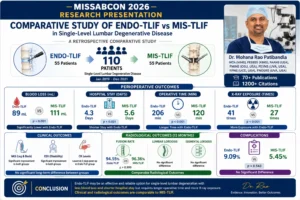
Endo TLIF vs MIS TLIF infographic

Endo TLIF vs MIS TLIF infographic

Summary of the 110-patient comparative study of Endo-TLIF and MIS-TLIF
presented at MISSABCON 2026.

Key Takeaways

  1. The study included 110 patients with single-level
    lumbar degenerative disease.
  2. There were 55 patients in each group.
  3. Endo-TLIF was associated with lower reported blood loss.
  4. Endo-TLIF was associated with a shorter reported hospital stay.
  5. Endo-TLIF required longer operative time in the study.
  6. Endo-TLIF involved greater reported X-ray exposure.
  7. Both groups showed significant improvement in pain and disability
    measures.
  8. Fusion rates at 12 months were comparable.
  9. No statistically significant difference in overall complications
    was reported.
  10. The findings support individualised selection of minimally invasive
    techniques rather than assuming one approach is universally superior.

An Important Scientific Perspective

This study was retrospective and focused on patients with single-level
lumbar degenerative disease. Its findings should therefore be interpreted
within that clinical context.

A conference presentation is also not the same as a prospective randomised
clinical trial or a peer-reviewed journal publication.

Further research can help determine how these findings apply across
different patient populations and surgical indications.

The value of the research lies in contributing comparative clinical data
to the continuing discussion about minimally invasive spine surgery.

Learn More

Related Neurosurgical Research and Information

Considering Minimally Invasive Spine Surgery?

If you have been diagnosed with lumbar degenerative disease, disc
problems, spinal instability or another condition requiring possible
fusion surgery, the first step is a detailed clinical and imaging
assessment.

The choice between Endo-TLIF, MIS-TLIF and other treatment options
should be based on your individual anatomy, diagnosis, symptoms,
imaging findings and overall health.


Book a Consultation with Dr. Rao

Dr. Rao’s Hospital – International Institute of Neurosciences
Guntur, Andhra Pradesh, India

Phone: +91 90100 56444

Email: info@drraoshospitals.com


Medical Disclaimer:
This article is intended for general educational and informational
purposes. The study findings described here should not be interpreted
as a recommendation that one surgical technique is appropriate for
every patient. Treatment decisions should be made after individual
clinical evaluation by a qualified medical professional.© 2026 Dr. Rao’s Hospital – International Institute of Neurosciences.
All rights reserved.


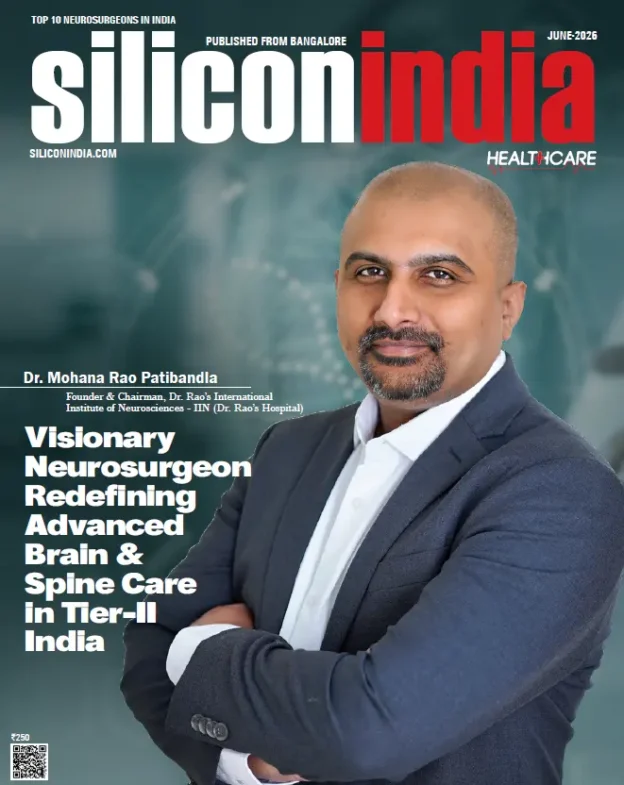
Dr. Mohana Rao Patibandla featured on SiliconIndia Healthcare Top 10 Neurosurgeons in India 2026 cover for advancing minimally invasive brain and spine surgery.

Dr. Mohana Rao Patibandla Featured Among SiliconIndia’s Top 10 Neurosurgeons in India 2026

Dr. Mohana Rao Patibandla Featured Among SiliconIndia’s Top 10 Neurosurgeons in India 2026: Advancing Minimally Invasive Brain and Spine Surgery


Dr. Mohana Rao Patibandla, Founder of Dr. Rao’s Hospital – International Institute of Neurosciences (IIN), Guntur, has been featured among SiliconIndia Healthcare’s Top 10 Neurosurgeons in India 2026. This recognition highlights his contributions to minimally invasive neurosurgery, advanced spine surgery, cerebrovascular neurosurgery, pediatric neurosurgery, neuro-oncology, and the development of a comprehensive neurosciences ecosystem in Andhra Pradesh.


As one of India’s internationally trained neurosurgeons, Dr. Mohana Rao Patibandla has dedicated his career to bringing world-class neurological and neurosurgical care closer to patients. Through Dr. Rao’s Hospital – International Institute of Neurosciences (IIN), he continues to transform the way brain, spine, and nerve disorders are diagnosed and treated in South India.


SiliconIndia’s Top 10 Neurosurgeons in India 2026


In its June 2026 special edition on neurosurgery, SiliconIndia Healthcare recognized ten distinguished neurosurgeons from leading institutions across India. The featured neurosurgeons include:


  • Dr. Mohana Rao Patibandla – Dr. Rao’s Hospital, Guntur
  • Dr. Ajay Hegde – Manipal Hospitals, Bengaluru
  • Dr. Amitabha Chanda – CMRI Hospital, Kolkata
  • Dr. Arun Saroha – Max Healthcare, New Delhi
  • Dr. Divya Goel – SSB Heart & Multispeciality Hospital, Faridabad
  • Dr. Mohit Bhatt – Kokilaben Dhirubhai Ambani Hospital, Mumbai
  • Dr. C. Nikhil Kumar – Gautam Neuro Care, Secunderabad
  • Dr. Nirav Mehta – Bombay Hospital, Mumbai
  • Dr. Satish Babu H.V. – Columbia Asia Hospital, Bengaluru
  • Dr. Shishir Kumar – Yashoda Hospital & Research Centre, Ghaziabad


The feature highlighted Dr. Rao’s extensive international training, leadership in minimally invasive neurosurgery, commitment to innovation, and vision of making advanced neuroscience care accessible beyond metropolitan India.


Who Is Dr. Mohana Rao Patibandla?

Dr. Mohana Rao Patibandla featured in SiliconIndia Healthcare Top 10 Neurosurgeons in India 2026 cover story highlighting minimally invasive brain and spine surgery innovation.

Dr. Mohana Rao Patibandla appears on SiliconIndia Dr. Mohana Rao Patibandla, Founder & Chairman of Dr. Rao’s Hospital – International Institute of Neurosciences (IIN), featured in SiliconIndia Healthcare’s Top 10 Neurosurgeons in India 2026 cover story.


Dr. Mohana Rao Patibandla is an internationally trained neurosurgeon and the Founder of Dr. Rao’s Hospital – International Institute of Neurosciences (IIN), one of India’s dedicated neuroscience centers located in Guntur, Andhra Pradesh.


After completing his MBBS from Andhra Medical College, Visakhapatnam, and M.Ch Neurosurgery from Nizam’s Institute of Medical Sciences (NIMS), Hyderabad, Dr. Rao pursued multiple advanced fellowships in the United States. His specialized training includes:


  • Minimally Invasive Skull Base Surgery
  • Pediatric Neurosurgery
  • Neuro-Oncology
  • Endovascular and Cerebrovascular Neurosurgery
  • Functional Neurosurgery
  • Stereotactic Radiosurgery
  • Minimally Invasive Brain Surgery
  • Minimally Invasive Spine Surgery


This extensive global exposure has enabled him to introduce advanced techniques and technologies that improve patient outcomes while minimizing surgical trauma.


Why Dr. Mohana Rao Patibandla Was Featured by SiliconIndia


Dr. Mohana Rao Patibandla, internationally trained neurosurgeon and Founder of Dr. Rao's Hospital – International Institute of Neurosciences (IIN), Guntur.

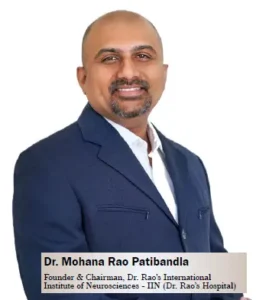
Dr. Mohana Rao Patibandla, Founder & Chairman of Dr. Rao’s Hospital – International Institute of Neurosciences (IIN), Guntur, recognized for his contributions to minimally invasive brain and spine surgery.

According to SiliconIndia Healthcare, Dr. Rao represents a new generation of Indian medical leaders who combine global expertise with patient-centered care and healthcare innovation. His profile emphasized not only his surgical accomplishments but also his efforts to build a sustainable neurosciences ecosystem focused on clinical excellence, education, research, and technology.


Leadership in Minimally Invasive Neurosurgery


Minimally invasive neurosurgery has transformed the treatment of brain and spine disorders. By utilizing smaller incisions, advanced imaging, neuronavigation, intraoperative neuromonitoring, endoscopic techniques, and precision surgical planning, patients often experience:


  • Reduced pain after surgery
  • Shorter hospital stays
  • Less blood loss
  • Faster recovery
  • Earlier return to daily activities
  • Improved cosmetic outcomes


Dr. Rao has been a strong advocate of minimally invasive approaches whenever clinically appropriate, helping patients benefit from safer and more effective treatment options.


Dr. Rao’s Hospital – International Institute of Neurosciences (IIN)


Dr. Rao’s Hospital – International Institute of Neurosciences (IIN) was established with the vision of creating a world-class center dedicated to brain, spine, and nerve care. Today, it serves patients from Andhra Pradesh, Telangana, Tamil Nadu, Karnataka, Odisha, and other parts of India.


Comprehensive Neurosciences Services


The institute offers advanced treatment for a wide range of neurological and neurosurgical conditions, including:


  • Brain Tumors
  • Spine Disorders
  • Stroke and Cerebrovascular Diseases
  • Aneurysms
  • Epilepsy
  • Pediatric Neurological Disorders
  • Skull Base Tumors
  • Hydrocephalus
  • Trigeminal Neuralgia
  • Peripheral Nerve Disorders


Suggested Internal Links


Why Patients Across India Choose Dr. Mohana Rao Patibandla


When patients and families search for the best neurosurgeon in Guntur, the best neurologist in Guntur, or the best spine surgeon in Guntur, they are often looking for more than just surgical expertise. They seek experience, trust, advanced technology, personalized care, and successful outcomes.


Over the years, Dr. Mohana Rao Patibandla has built a reputation for combining internationally trained expertise with compassionate patient-centered care. His approach focuses on accurate diagnosis, evidence-based treatment, minimally invasive techniques whenever appropriate, and comprehensive rehabilitation.


Patient-Centered Neurosurgical Care


Every neurological condition is unique. Whether treating a complex brain tumor, spinal disorder, aneurysm, epilepsy, hydrocephalus, or pediatric neurological condition, Dr. Rao believes treatment should be tailored to the individual patient’s needs.


This philosophy has helped establish Dr. Rao’s Hospital – International Institute of Neurosciences (IIN) as a trusted destination for advanced neurological care in India.


Innovation in Brain and Spine Surgery


Modern neurosurgery is evolving rapidly. Today’s patients benefit from technologies that were unavailable just a decade ago.


At Dr. Rao’s Hospital – International Institute of Neurosciences (IIN), advanced technologies are utilized to improve surgical precision and patient outcomes.


Advanced Neurosurgical Technologies


  • High-Definition Operating Microscopes
  • Neuronavigation Systems
  • Intraoperative Neuromonitoring (IONM)
  • Endoscopic Neurosurgery
  • Minimally Invasive Spine Surgery
  • BrainPath-Assisted Surgery
  • Cerebrovascular and Endovascular Neurosurgery
  • Advanced Neuroimaging
  • Microsurgical Skull Base Techniques


These technologies allow surgeons to operate with greater accuracy while preserving healthy tissues and critical neurological structures.


Advancing Cerebrovascular and Endovascular Neurosurgery


Stroke remains one of the leading causes of disability and death worldwide. Early diagnosis and expert treatment can significantly improve outcomes.


Dr. Rao has received specialized international training in cerebrovascular and endovascular neurosurgery, enabling treatment of:


  • Brain Aneurysms
  • Arteriovenous Malformations (AVMs)
  • Stroke
  • Carotid Artery Disease
  • Cerebral Hemorrhage
  • Complex Cerebrovascular Disorders


The ability to offer both open microsurgical and endovascular treatment options allows patients to receive individualized care based on their specific condition.


Pediatric Neurosurgery Expertise


Children with neurological disorders require specialized expertise and compassionate care. Dr. Rao’s advanced training in pediatric neurosurgery helps provide comprehensive treatment for complex childhood neurological conditions.


Common pediatric neurosurgical conditions treated include:


  • Hydrocephalus
  • Brain Tumors
  • Spinal Dysraphism
  • Chiari Malformations
  • Craniosynostosis
  • Pediatric Epilepsy
  • Congenital Brain and Spine Disorders


Research, Education, and Academic Excellence


The SiliconIndia feature highlighted Dr. Rao’s commitment to academic medicine and continuous learning. Beyond the operating room, he actively contributes through scientific publications, presentations, national conferences, and international collaborations.


His academic contributions help advance neurosurgical knowledge while ensuring patients benefit from the latest evidence-based treatment approaches.


National and International Presentations


Dr. Rao regularly presents innovative surgical techniques and clinical experiences at leading neurosurgical conferences across India and internationally. Topics have included:


  • Endoscopic Skull Base Surgery
  • BrainPath Surgery for Deep-Seated Brain Lesions
  • Endovascular Neurosurgery
  • Advanced Spine Surgery
  • Intraoperative Neuromonitoring
  • Complex Cerebrovascular Reconstruction


The Future of Neurosurgery: AI, Robotics, and Precision Medicine


The future of neurosciences will increasingly be shaped by artificial intelligence, robotics, precision diagnostics, advanced imaging, and personalized medicine.


AI-assisted planning can help surgeons analyze complex anatomical structures, while advanced imaging technologies enable more precise diagnosis and treatment planning.


Dr. Rao believes that while technology will continue transforming medicine, the human element of healthcare remains essential.


“Technology should enhance patient care, not replace the human connection between doctor and patient. The goal is always better outcomes, safer treatment, and improved quality of life.”


Frequently Asked Questions About Dr. Mohana Rao Patibandla


Who is Dr. Mohana Rao Patibandla?

Dr. Mohana Rao Patibandla is an internationally trained neurosurgeon and Founder of Dr. Rao’s Hospital – International Institute of Neurosciences (IIN), Guntur, Andhra Pradesh.


Why was Dr. Mohana Rao Patibandla featured by SiliconIndia?

SiliconIndia Healthcare featured Dr. Rao among its Top 10 Neurosurgeons in India 2026 for his contributions to minimally invasive neurosurgery, advanced brain and spine surgery, innovation, research, and patient care.


What conditions does Dr. Rao treat?

Dr. Rao treats brain tumors, spine disorders, stroke, aneurysms, epilepsy, skull base tumors, hydrocephalus, pediatric neurological disorders, and many other brain and spine conditions.


What is minimally invasive neurosurgery?

Minimally invasive neurosurgery uses smaller incisions and advanced technologies to reduce surgical trauma, shorten recovery time, and improve patient outcomes.


Where is Dr. Rao’s Hospital located?

Dr. Rao’s Hospital – International Institute of Neurosciences (IIN) is located at Old Bank Street, Kothapet, Guntur, Andhra Pradesh, India.


SiliconIndia Recognition Reflects a Broader Vision


Being featured among SiliconIndia’s Top 10 Neurosurgeons in India 2026 represents more than individual recognition. It reflects a vision of delivering world-class neuroscience care through innovation, education, research, and patient-centered treatment.


The feature acknowledges Dr. Mohana Rao Patibandla’s efforts to bridge international expertise with local accessibility, ensuring patients can receive advanced brain, spine, and nerve care closer to home.


Schedule a Consultation with Dr. Mohana Rao Patibandla


If you or a loved one is experiencing a neurological condition and seeking expert evaluation, Dr. Rao’s Hospital – International Institute of Neurosciences (IIN) offers comprehensive diagnosis, treatment, and rehabilitation services.


Dr. Mohana Rao Patibandla
Founder of Dr. Rao’s Hospital – International Institute of Neurosciences (IIN), Guntur

Phone: +91 90100 56444
Email: info@drraoshospitals.com
Website: https://drraoshospitals.com


Conclusion


The recognition of Dr. Mohana Rao Patibandla among SiliconIndia Healthcare’s Top 10 Neurosurgeons in India 2026 underscores a career dedicated to surgical excellence, innovation, education, and compassionate patient care.


Through Dr. Rao’s Hospital – International Institute of Neurosciences (IIN), he continues to advance minimally invasive brain and spine surgery, complex cerebrovascular care, pediatric neurosurgery, and cutting-edge neuroscience services. As healthcare continues to evolve, Dr. Rao remains committed to delivering world-class outcomes while helping shape the future of neurosciences in India.

Primary Source URL (SiliconIndia Feature)
https://www.siliconindia.com/digital-magazine/neurosurgeons-in-india-june-2026/

Dr. Mohana Rao Patibandla Official Profile
https://drraoshospitals.com/dr-mohana-rao-patibandla-brief-bio-international-institute-of-neurosciencs-guntur/

Dr. Rao’s Hospital – International Institute of Neurosciences (IIN)
https://drraoshospitals.com/

Andhra Medical College
https://amcollege.edu.in/

Nizam’s Institute of Medical Sciences (NIMS)
https://www.nims.edu.in/

National Library of Medicine (PubMed)
https://pubmed.ncbi.nlm.nih.gov/

American Association of Neurological Surgeons
https://www.aans.org/

Congress of Neurological Surgeons
https://www.cns.org/

World Federation of Neurosurgical Societies
https://www.wfns.org/

Neurological Society of India
https://neurosocietyindia.com/

Dr. Rao the best neurosurgeon in Guntur, Andhra Pradesh, India and World

Best Neurologists & Spine Surgeons in Guntur – Dr. Rao’s Hospital

Best Neuro & Spine Care: Top Doctors at Dr. Rao’s Hospital


Top 10 Neurologists

When it comes to neurological care, finding the right specialist is critical. The top 10 neurologists in India are highly sought after for their expertise in diagnosing and treating complex neurological conditions. These doctors are often found in prestigious hospitals and institutes nationwide, bringing knowledge and experience to every case. Patients searching for the best care usually look to these top neurologists known for their innovative approaches and successful outcomes. Dr. Mohana Rao Patibandla at Dr. Rao’s Hospital, Guntur, is a shining example of such expertise, with an impressive track record in treating various neurological disorders. According to The Times of India coverage.

Neuro and Spine Institute

A neuro and spine institute is a specialized center dedicated to diagnosing, treating, and rehabilitating neurological and spinal disorders. These institutes are equipped with state-of-the-art technology and staffed by multidisciplinary teams, including neurologists, neurosurgeons, spine surgeons, and rehabilitation specialists. Dr. Rao’s Hospital in Guntur is a leading institute renowned for its cutting-edge treatments in neurological and spine care. The hospital excels in performing complex surgeries with minimally invasive techniques, which reduce recovery time and improve patient outcomes.

Best Pediatric Neurosurgeon in India

Pediatric neurosurgery requires unique skills and a deep understanding of the developing nervous system. The best pediatric neurosurgeons in India are adept at treating congenital anomalies, tumors, and other neurological conditions in children. These surgeons focus on the surgical aspects and work closely with pediatricians, neurologists, and rehabilitation experts to ensure comprehensive care for young patients. Dr. Rao’s Hospital in Guntur is home to some of the best pediatric neurosurgeons in the country, offering advanced treatments tailored to the delicate needs of children. In a recent deccanherald

Top Rated Spine Doctors

When dealing with spine-related issues, it’s crucial to consult with the top-rated spine doctors. These specialists are known for their expertise in diagnosing and treating conditions such as herniated discs, spinal stenosis, scoliosis, and spinal cord injuries. At Dr. Rao’s Hospital, patients have access to some of the most highly rated spine doctors in India. The hospital’s spine care program emphasizes minimally invasive spine surgery, which allows for faster recovery times and less post-operative discomfort, making it a preferred choice for patients.

Back Hospital

A back hospital focuses on the comprehensive care of back and spine conditions. These hospitals have advanced diagnostic tools and surgical facilities that treat everything from chronic back pain to complex spinal deformities. Dr. Rao’s Hospital is recognized as one of the best back hospitals in India, offering a range of services from conservative treatments like physical therapy to advanced surgical interventions such as spinal fusion and minimally invasive spine surgery.

Near Neurosurgeon

Finding a near neurosurgeon who is both highly qualified and conveniently located can be challenging. Patients in and around Guntur, Andhra Pradesh, are fortunate to have access to Dr. Rao’s Hospital, which has some of the most knowledgeable neurosurgeons. Whether you are dealing with a brain tumor, spinal cord injury, or chronic neurological condition, Dr. Rao’s team is equipped to provide world-class care close to home.

Best Neuro Care

For patients seeking the best neuro care, choosing a hospital with a proven track record of success in treating neurological conditions is essential. Dr. Rao’s Hospital is a leader in this field, offering a wide range of services, from initial diagnosis to complex surgeries and long-term rehabilitation. The hospital’s neurocare team is known for its multidisciplinary approach, ensuring patients receive personalized treatment tailored to their needs.

Brain Spine Surgery

Brain spine surgery is a complex and highly specialized field requiring the expertise of skilled neurosurgeons. Whether removing a brain tumor, repairing a spinal cord injury, or treating degenerative spinal conditions, the surgeons at Dr. Rao’s Hospital are among the best in the country. The hospital is particularly known for its use of minimally invasive techniques, which reduce the risk of complications and shorten patients’ recovery times.

Center for Neurosurgical & Spine Care

The Center for Neurosurgical & Spine Care at Dr. Rao’s Hospital is a premier facility offering comprehensive care for patients with neurological and spine disorders. The center has the newest technology and a staff of experts who are industry leaders in their fields. Patients receive the highest standard of care from initial diagnosis through surgery and rehabilitation. The center is also known for its expertise in minimally invasive neurosurgery, which has revolutionized the treatment of many conditions by minimizing trauma and speeding up recovery.

Nerves Hospital

A nerves hospital treats conditions affecting the nervous system, including the brain, spinal cord, and peripheral nerves. Dr. Rao’s Hospital is a leading nerve hospital in India, offering advanced diagnostic and treatment options for various neurological disorders. The hospital’s multidisciplinary team is skilled in the medical and surgical management of nerve-related conditions, ensuring comprehensive care for every patient.

Neurological Medical Center

A neurological medical center like Dr. Rao’s Hospital provides specialized care for patients with nervous system disorders. The center is equipped with state-of-the-art diagnostic tools and offers a range of treatments, from medication management to complex neurosurgery. Patients at Dr. Rao’s Hospital benefit from the expertise of a multidisciplinary team that includes neurologists, neurosurgeons, and rehabilitation specialists, all working together to provide the best possible outcomes.

Back Surgery Hospitals

Back surgery hospitals specialize in the surgical treatment of spinal conditions. They have cutting-edge technology and experienced surgeons proficient in both conventional and minimally invasive surgical techniques. Dr. Rao’s Hospital is one of India’s top back surgery hospitals, known for its success in treating complex spinal conditions and its commitment to patient-centered care.

Best Spine Hospital in India

When searching for the best spine hospital in India, patients look for a facility that offers advanced treatments, experienced surgeons, and comprehensive care. Dr. Rao’s Hospital in Guntur is widely regarded as one of the top spine hospitals in the country. The hospital offers various services, from conservative back pain management to complex spinal surgeries, all performed using the latest techniques and technologies. According to mid-day

Institute of Neurosciences

An institute of neurosciences is a specialized center focused on diagnosing and treating neurological disorders. Dr. Rao’s Hospital is home to one of India’s leading neurosciences institutes, offering cutting-edge treatments for a wide range of conditions. The institute’s multidisciplinary approach ensures that patients receive comprehensive care from diagnosis through treatment and rehabilitation.

Neuro Spine Specialist

A neurospine specialist is a surgeon who specializes in treating conditions affecting the nervous system and spine. These specialists are trained to perform complex surgeries, including those involving the brain, spinal cord, and peripheral nerves. At Dr. Rao’s Hospital, patients have access to some of the top neurospine specialists in India, who are skilled in both traditional and minimally invasive surgical techniques.

Spinal Cord Doctor Near Me

Finding a spinal cord doctor near me can be crucial for patients suffering from spinal cord injuries or conditions. Dr. Rao’s Hospital in Guntur is home to some of the best spinal cord doctors in the region, offering advanced treatments and comprehensive care. The hospital’s multidisciplinary approach ensures that patients receive the best possible care, from diagnosis through rehabilitation.

Top Rated Back Surgeons Near Me

If you’re looking for the top rated back surgeons near me, Dr. Rao’s Hospital should be at the top of your list. The hospital’s spine surgeons are known for their expertise in treating a wide range of back and spine conditions. Whether you need surgery for a herniated disc, spinal stenosis, or a more complex condition, the surgeons at Dr. Rao’s Hospital are equipped to provide the highest level of care.

Back Institute Neurosurgery

A back institute neurosurgery center is dedicated to the surgical treatment of spine and back conditions. Dr. Rao’s Hospital is a leading back institute in India, offering a range of surgical options, including minimally invasive procedures that reduce recovery times and improve patient outcomes. The hospital’s neurosurgery team is among the best in the country, with a reputation for excellence in patient care and surgical outcomes.

Spine Pain Doctor Near Me

For those suffering from chronic back pain, finding a spine pain doctor near me is essential. Dr. Rao’s Hospital in Guntur offers specialized care for patients with spine-related pain, focusing on surgical and non-surgical treatments. The hospital’s spine pain doctors are experts in diagnosing and treating the underlying causes of pain, offering patients relief and improved quality of life.

Near Neurologists Doctor

Locating a near Neurologists doctor is vital for patients experiencing symptoms of neurological disorders. Dr. Rao’s Hospital in Guntur is conveniently located and staffed by some of the best neurologists in the region. Whether you need a diagnosis, treatment plan, or ongoing care, the neurologists at Dr. Rao’s Hospital are equipped to provide expert care close to home.

Top 10 Neurologists in Guntur

Guntur, a city known for its historical significance, is also home to some of India’s most respected and top-rated neurologists. Neurology requires expertise in diagnosing and treating disorders related to the nervous system, which includes the brain, spinal cord, and nerves. Dr. Rao’s Hospital is at the forefront of this medical discipline in Guntur, a premier institution offering exceptional care in neurology and neurosurgery. Neurologists

Dr. Rao’s Hospital is renowned for housing the Top 10 Neurologists in Guntur, each possessing vast experience and a commitment to patient care. These specialists handle a wide array of neurological disorders, such as epilepsy, stroke, multiple sclerosis, and Parkinson’s disease. Patients receive personalized treatment plans, ensuring the best possible outcomes for their conditions. Neurologists

Top Neurologist in Guntur

Dr. Rao’s Hospital stands out regarding finding the Top Neurologist in Guntur. Dr. Mohana Rao Patibandla, a leading figure in neurology and neurosurgery, has an extensive background in treating complex neurological conditions. His expertise and advanced diagnostic tools provide patients with accurate diagnoses and effective treatment plans. Dr. Rao’s commitment to continuing education and staying updated with the latest in medical advancements ensures that his patients receive world-class care.

Best Spine Surgeon in Guntur

Spinal disorders can be debilitating, affecting every aspect of a person’s life. Finding the Best Spine Surgeon in Guntur is crucial for those suffering from chronic back pain, herniated discs, or spinal deformities. Dr. Rao’s Hospital’s spine surgery team is led by Dr. Rao, who is known for his expertise in minimally invasive spine surgery. This approach allows patients to recover faster with less postoperative pain, making it a preferred choice for many.

Dr. Rao’s Hospital uses state-of-the-art technology to perform complex spinal surgeries, including spinal fusions, disc replacements, and laminectomies. The hospital’s commitment to using the latest surgical techniques and technologies ensures patients receive the best care possible.

Best Neurology Hospital in Guntur

Dr. Rao’s Hospital is widely recognized as the Best Neurology Hospital in Guntur. The hospital offers comprehensive care for neurological disorders, focusing on surgical and non-surgical treatments. The facility is equipped with cutting-edge technology, including advanced MRI and CT scanners, which aid in accurately diagnosing and treating neurological conditions.

The hospital’s Neurologists and neurosurgeons work collaboratively to provide holistic care, ensuring that each patient’s needs are met with precision and compassion. From initial diagnosis to post-treatment rehabilitation, Dr. Rao’s Hospital is dedicated to delivering the highest standard of care in neurology.

Spine Specialist in Guntur

Dr. Rao’s Hospital offers access to the Best Spine Specialist in Guntur for those needing specialized spine care. The hospital’s spine specialists are skilled in treating various spinal conditions, including scoliosis, spinal stenosis, and degenerative disc disease. The focus is on providing personalized care that addresses each patient’s unique condition through surgical or non-surgical means.

The hospital is also a leader in minimally invasive spine surgery, a technique that minimizes tissue damage and promotes quicker recovery. Patients who undergo surgery at Dr. Rao’s Hospital benefit from shorter hospital stays, less postoperative pain, and a faster return to daily activities.

Best Spine Surgeon in Andhra Pradesh

In addition to being recognized locally, Dr. Rao’s Hospital is home to the Best Spine Surgeon in Andhra Pradesh. Dr. Rao’s expertise in spinal surgery has earned him a reputation that extends beyond Guntur, attracting patients from across the state and even from other parts of India. His success in performing complex spine surgeries and his compassionate approach to patient care make him a top choice for those seeking spinal treatment.

Best Neurologist Vijayawada

Patients from nearby cities, including Vijayawada, also seek the services of Dr. Rao’s Hospital, where they can find the Best Neurologists in Vijayawada. The hospital’s neurologists are highly experienced in treating conditions such as seizures, headaches, and neurodegenerative diseases. With a patient-centered approach and a commitment to using the latest in medical technology, Dr. Rao’s Hospital is the region’s leading destination for neurology care.

Neurologist in Guntur

When searching for a Neurologist in Guntur, patients should consider the comprehensive services offered at Dr. Rao’s Hospital. The hospital’s team of neurologists is equipped to handle various neurological conditions, providing both acute care and long-term management. The facility’s state-of-the-art equipment and commitment to patient care ensure that each patient receives the best possible treatment.

Top Neurologist India

Dr. Rao’s Hospital is not just a local leader but also home to some of the Top Neurologists in India. These specialists are recognized for their expertise in treating complex neurological disorders, often handling cases referred from other hospitals. The hospital’s dedication to research and advanced treatment methods keeps it at the forefront of neurology in India.

Best Spine Hospital

Regarding spinal care, Dr. Rao’s Hospital is widely regarded as the Best Spine Hospital in the region. The hospital offers a full range of spine services, from diagnosis to treatment and rehabilitation. Patients benefit from the expertise of a multidisciplinary team that includes spine surgeons, neurologists, and physiotherapists, all working together to provide comprehensive care.

Minimally Invasive Neurosurgery

Minimally Invasive Neurosurgery is one of the key services offered at Dr. Rao’s Hospital. This advanced surgical technique allows for treating complex neurological conditions with minimal disruption to the surrounding tissues. The result is faster recovery times, reduced pain, and smaller scars. Dr. Rao’s Hospital is a leader in this field, offering patients access to the latest minimally invasive brain and spine surgery techniques.

Pediatric Neurosurgeon India

For families seeking a Pediatric Neurosurgeon in India, Dr. Rao’s Hospital offers specialized care for children with neurological conditions. The hospital’s pediatric neurosurgeons are trained to handle delicate surgeries on young patients, ensuring the best possible outcomes. Focusing on compassionate care, the hospital provides a supportive environment for children and their families.

Spine Surgery Specialists

The Spine Surgery Specialists at Dr. Rao’s Hospital are among the best in the field, offering traditional and minimally invasive spine surgery expertise. Whether dealing with a simple herniated disc or a complex spinal deformity, the hospital’s specialists provide personalized treatment plans designed to achieve the best possible outcomes.

Back Pain Treatment

Chronic back pain can be debilitating, but the Back Pain Treatment options available at Dr. Rao’s Hospital offer hope for relief. The hospital’s multidisciplinary approach combines physical therapy, pain management, and, when necessary, surgical intervention to treat the root cause of the pain. Patients benefit from a comprehensive treatment plan that addresses all aspects of their condition.

Brain Spine Surgery

Brain and Spine Surgery is a complex field that requires a high level of expertise. At Dr. Rao’s Hospital, patients have access to some of the most skilled surgeons in India, capable of performing delicate procedures with precision. Whether dealing with a brain tumor, spinal cord injury, or other serious conditions, the hospital’s surgical team is equipped to provide the highest standard of care.

Spinal Cord Surgery

Spinal Cord Surgery is another area of expertise at Dr. Rao’s Hospital. The hospital’s neurosurgeons are skilled in treating spinal cord injuries and other conditions that affect the spine. Using advanced surgical techniques, they work to restore function and improve the quality of life for their patients.

Affordable Medical Tourism

Dr. Rao’s Hospital offers Affordable Medical Tourism options for international patients, making world-class care accessible to those from other countries. The hospital provides comprehensive care packages that include surgery, postoperative care, and rehabilitation, all at a fraction of the cost compared to Western countries. With a focus on quality and affordability, Dr. Rao’s Hospital is a top choice for medical tourists seeking neurosurgery and spine care in India.

Neuro and Spine Institute

Dr. Rao’s Hospital is also home to a specialized Neuro and Spine Institute, where patients can receive advanced treatment for neurological and spinal conditions. Experts in neurology, neurosurgery, and spine surgery work together at the institute to provide integrated care. The institute’s focus on research and innovation ensures that patients have access to the latest treatment options.

Top Rated Spine Doctors

Patients seeking the Top Rated Spine Doctors in India will find them at Dr. Rao’s Hospital. These doctors are recognized for their expertise in treating various spinal conditions, from common back pain to complex spinal deformities. Their commitment to patient care and use of the latest surgical techniques make them leaders in the field.

Back Surgery Hospitals

Dr. Rao’s Hospital is among India’s Top Back Surgery Hospitals, offering comprehensive care for patients with spinal conditions. The hospital’s multidisciplinary approach ensures that each patient receives a tailored treatment plan that addresses their needs. Dr. Rao’s Hospital provides a full spectrum of care from diagnosis to surgery to rehabilitation.

Best Neuro Care

Regarding Best Neuro Care, Dr. Rao’s Hospital is a leader in the field. The hospital’s team of neurologists and neurosurgeons is dedicated to providing the highest standard of care for patients with neurological conditions. With a focus on personalized treatment and the latest in medical technology, the hospital ensures that each patient receives the best possible care.

Center for Neurosurgical Care

The Center for Neurosurgical Care at Dr. Rao’s Hospital specializes in treating complex neurological conditions. The center offers advanced surgical options for patients with brain and spine disorders, including minimally invasive techniques. With a team of highly skilled neurosurgeons and state-of-the-art facilities, the center provides world-class care.

Nerve Treatment Center

Dr. Rao’s Hospital offers a specialized Nerve Treatment Center for those suffering from nerve disorders. The center is equipped to handle many conditions, from carpal tunnel syndrome to more complex neuropathies. The hospital’s neurologists and neurosurgeons work together to provide comprehensive care that addresses the root cause of nerve pain.

Spine Pain Specialist

Chronic spine pain can significantly impact a person’s quality of life. At Dr. Rao’s Hospital, patients can access the Best Spine Pain Specialists in Guntur. These specialists are skilled in diagnosing and treating the underlying causes of spine pain, offering surgical and non-surgical treatment options. The hospital’s focus on minimally invasive techniques ensures patients experience less pain and a quicker recovery.

Guntur Neurosurgeon

For patients seeking a Guntur Neurosurgeon, Dr. Rao’s Hospital offers access to some of the best in the field. The hospital’s neurosurgeons are highly experienced in treating a wide range of neurological conditions, from brain tumors to spinal cord injuries. Their expertise and dedication to patient care make Dr. Rao’s Hospital a top choice for neurosurgery in Guntur.

Institute of Neurosciences India

The Institute of Neurosciences India at Dr. Rao’s Hospital is a leading center for treating neurological disorders. The institute’s focus on research and innovation ensures that patients have access to the latest treatment options. The institute provides comprehensive care for patients with complex neurological conditions with a team of world-class neurologists and neurosurgeons.

Spinal Surgery Near Me

Dr. Rao’s Hospital is a top destination for those searching for Spinal Surgery Near Me. The hospital offers a full range of spinal surgery services, including minimally invasive options, to treat conditions such as herniated discs, spinal stenosis, and scoliosis. Patients can expect personalized care that addresses their needs and promotes a quick recovery.

Brain and Spine Specialist

Dr. Rao’s Hospital is home to some of India’s best Brain and Spine Specialists. These specialists are experienced in treating a wide range of conditions, from brain tumors to spinal cord injuries. The hospital’s focus on using the latest technology and surgical techniques ensures patients receive the best care.

Neurosurgeon in Guntur, India

Regarding neurosurgery, expertise, experience, and advanced technology are crucial. Dr. Rao’s Hospital in Guntur, India, is renowned for its cutting-edge neurosurgical treatments, attracting patients nationwide and internationally. Dr. Mohana Rao Patibandla, a highly skilled and respected neurosurgeon, leads the neurosurgery department. With a robust educational background, including specialized training from prestigious institutions in the USA, Dr. Rao brings world-class care to Guntur.

Neurosurgery is a complex and delicate field that requires precision and state-of-the-art technology. At Dr. Rao’s Hospital, patients receive personalized care tailored to their unique medical needs. The hospital’s commitment to using the latest techniques and equipment makes it a top destination for those seeking expert neurosurgical care.

The Spine Hospital in Guntur

Dr. Rao’s Hospital has established itself as the premier spine hospital in Guntur. Specializing in traditional and minimally invasive spine surgeries, the hospital offers a comprehensive range of treatments for spinal disorders. Whether you’re dealing with chronic back pain, spinal injuries, or complex spinal deformities, the experts at Dr. Rao’s Hospital are equipped to provide the best care possible.

Minimally invasive spine surgery is a key focus at Dr. Rao’s Hospital. These procedures involve smaller incisions, reduced blood loss, and quicker recovery than traditional open surgeries. Patients benefit from less post-operative pain, shorter hospital stays, and faster returns to normal activities. The hospital’s dedicated spine unit is staffed with highly trained specialists who collaborate to ensure each patient receives the most effective treatment.

Brain Hospital Near Me

For those searching for a “brain hospital near me,” Dr. Rao’s Hospital in Guntur is a leading choice. The hospital has advanced neuroimaging facilities, including MRI and CT scans, essential for accurate diagnosis and treatment planning. The neurosurgery team at Dr. Rao’s Hospital is proficient in treating a wide range of brain conditions, including tumors, aneurysms, and traumatic brain injuries.

Dr. Rao’s expertise in minimally invasive neurosurgery sets the hospital apart. This approach involves using specialized instruments and techniques to perform complex surgeries with minimal disruption to surrounding brain tissue. Minimally invasive procedures lead to shorter recovery times, fewer complications, and better patient outcomes.

Top Rated Spine Doctors Near Me

If you’re looking for top-rated spine doctors near you, Dr. Rao’s Hospital in Guntur is home to some of the best specialists in the field. The spine doctors here are recognized for their skill in diagnosing and treating various spinal conditions. From herniated discs to spinal stenosis, they offer comprehensive care tailored to each patient’s needs.

The hospital’s reputation for excellence in spine care is built on a foundation of advanced technology and a patient-centered approach. The team of spine doctors at Dr. Rao’s Hospital collaborates closely with other specialists, such as neurologists and pain management experts, to develop holistic treatment plans. This multidisciplinary approach ensures patients receive the most effective and least invasive treatments possible.

Best Hospitals for Spinal Surgery in India

Dr. Rao’s Hospital is widely regarded as one of India’s best hospitals for spinal surgery. The hospital’s state-of-the-art surgical facilities and Dr. Rao’s expertise make it a top destination for spinal surgery patients. The surgical team at Dr. Rao’s Hospital is experienced in performing a range of spinal procedures, including spinal fusions, laminectomies, and discectomies.

One key advantage of choosing Dr. Rao’s Hospital for spinal surgery is the hospital’s emphasis on minimally invasive techniques. These procedures offer numerous benefits, including smaller incisions, reduced pain, and faster recovery. This means a quicker return to everyday life with fewer post-operative complications for patients.

Best Spine Specialist

When it comes to spine care, having the best spine specialist can make all the difference in the outcome of your treatment. Dr. Rao, a leading spine specialist at Dr. Rao’s Hospital, is known for his expertise in surgical and non-surgical treatments of spine disorders. Whether you’re dealing with degenerative disc disease, scoliosis, or a complex spinal deformity, Dr. Rao’s extensive experience and dedication to patient care ensure you’re in the best hands.

Dr. Rao’s approach to spine care is patient-centered. He focuses on delivering the least invasive and most effective treatments available. He works closely with each patient to develop a personalized treatment plan addressing their needs and goals. This commitment to individualized care, combined with the latest medical technologies, makes Dr. Rao one of the best spine specialists in India.

Brain and Spine Doctor Near Me

Finding a qualified brain and spine doctor near you is crucial for effective treatment. Dr. Rao’s Hospital in Guntur is home to some of the region’s top brain and spine specialists. The hospital’s team of doctors is highly skilled in treating a wide range of conditions, from brain tumors to spinal cord injuries.

Dr. Rao’s brain and spine surgery expertise allows for comprehensive care under one roof. Patients benefit from coordinated care, where brain and spine specialists collaborate to ensure the best possible outcomes. Whether you need surgery for a brain tumor or treatment for a spinal condition, you can trust Dr. Rao’s Hospital to provide world-class care.

New Spine Institute

Dr. Rao’s Hospital is proud to introduce its new spine institute, dedicated to treating spinal disorders. The institute is equipped with the latest technology and staffed by a team of highly trained spine surgeons, including Dr. Rao. The new spine institute offers full services, from diagnosis to treatment and rehabilitation, ensuring patients receive the best possible care.

The spine institute at Dr. Rao’s Hospital focuses on minimally invasive spine surgery, which offers numerous benefits over traditional open surgery. These procedures involve smaller incisions, less blood loss, and quicker recovery. Patients treated at the new spine institute can expect comprehensive care that addresses their needs and promotes long-term health.

Spinal Fusion Surgeons Near Me

Spinal fusion surgery is a standard procedure used to treat a variety of spinal conditions, including degenerative disc disease and spinal instability. If you’re searching for spinal fusion surgeons near you, Dr. Rao’s Hospital in Guntur is an excellent choice. The hospital’s team of spine surgeons is experienced in performing spinal fusion surgeries using the latest techniques and technology.

At Dr. Rao’s Hospital, spinal fusion surgery is often performed using minimally invasive techniques, which offer several advantages over traditional open surgery. These include smaller incisions, reduced pain, and faster recovery times. Patients undergoing spinal fusion at Dr. Rao’s Hospital can expect personalized care tailored to their conditions and needs.

Dr. Rao Neurosurgeon

Dr. Mohana Rao Patibandla, known simply as Dr. Rao, is a renowned neurosurgeon at Dr. Rao’s Hospital in Guntur. With extensive training and experience in neurosurgery, Dr. Rao is recognized as one of the leading neurosurgeons in India. His expertise in brain and spine surgery has made him a trusted name in the medical community.

Dr. Rao’s approach to neurosurgery is patient-focused, emphasizing minimally invasive techniques whenever possible. This approach reduces the risks associated with surgery and promotes faster recovery times and better overall outcomes. Patients from India and other countries come to Dr. Rao for his expert care and dedication to improving their quality of life.

Minimally Invasive Neurosurgery and Spine Surgery

Minimally invasive neurosurgery and spine surgery are key specialties at Dr. Rao’s Hospital. These advanced techniques involve making smaller incisions, which leads to less tissue damage, reduced pain, and quicker recovery times. Dr. Rao is a pioneer in minimally invasive surgery, constantly updating his methods to incorporate the latest advancements in the field.

Minimally invasive neurosurgery is particularly beneficial for treating conditions such as brain tumors, spinal cord compression, and herniated discs. Patients who undergo these procedures at Dr. Rao’s Hospital experience fewer complications and can return to normal activities much sooner than traditional surgery. According to dnaindia

Affordable Medical Tourism at Dr. Rao’s Hospital

Dr. Rao’s Hospital is known for its exceptional medical care and its role in affordable medical tourism. Patients worldwide come to Dr. Rao’s Hospital in Guntur for high-quality care at a fraction of the cost of similar treatments in their home countries. The hospital offers comprehensive medical tourism packages that include accommodation, transportation, and personalized care.

Affordable medical tourism at Dr. Rao’s Hospital is made possible by the hospital’s commitment to providing world-class care at competitive prices. Despite the lower costs, the quality of care is uncompromising, making Dr. Rao’s Hospital a top choice for international patients seeking neurosurgery and spine surgery.

Conclusion

Dr. Rao’s Hospital in Guntur, India, is a neurosurgery and spine care leader. The hospital’s specialists, including Neurologists, neurosurgeons, and spine surgeons, are among the best in the country. They are known for their expertise in performing minimally invasive surgeries, which reduce recovery times and improve patient outcomes. Additionally, Dr. Rao’s Hospital is a top destination for affordable medical tourism, offering world-class care at a fraction of the cost of similar treatments in other countries. Whether looking for the best neurologist, spine surgeon, or pediatric neurosurgeon, Dr. Rao’s Hospital is the place for top-quality care.

Dr. Rao’s Contact Information: