Tag Archives: Brain tumor surgery

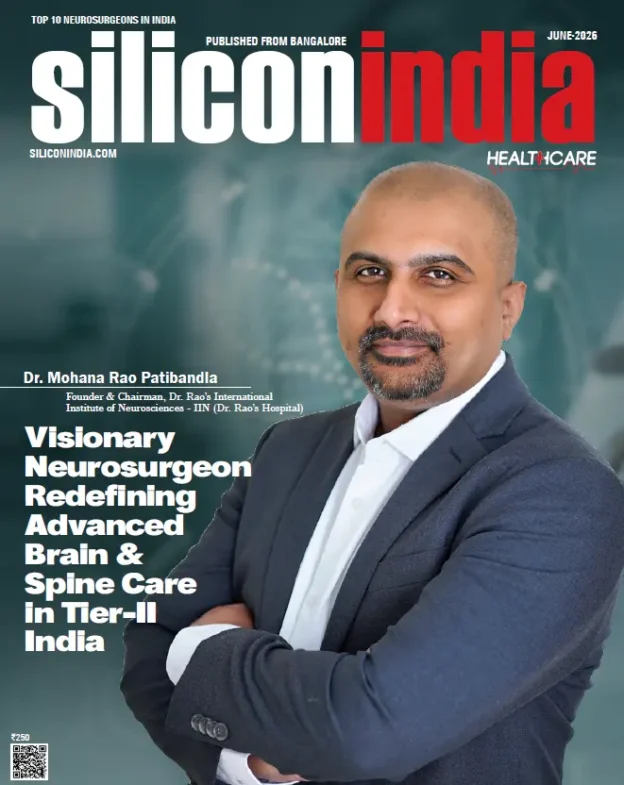
Dr. Mohana Rao Patibandla featured on SiliconIndia Healthcare Top 10 Neurosurgeons in India 2026 cover for advancing minimally invasive brain and spine surgery.

Dr. Mohana Rao Patibandla Featured Among SiliconIndia’s Top 10 Neurosurgeons in India 2026

Dr. Mohana Rao Patibandla Featured Among SiliconIndia’s Top 10 Neurosurgeons in India 2026: Advancing Minimally Invasive Brain and Spine Surgery


Dr. Mohana Rao Patibandla, Founder of Dr. Rao’s Hospital – International Institute of Neurosciences (IIN), Guntur, has been featured among SiliconIndia Healthcare’s Top 10 Neurosurgeons in India 2026. This recognition highlights his contributions to minimally invasive neurosurgery, advanced spine surgery, cerebrovascular neurosurgery, pediatric neurosurgery, neuro-oncology, and the development of a comprehensive neurosciences ecosystem in Andhra Pradesh.


As one of India’s internationally trained neurosurgeons, Dr. Mohana Rao Patibandla has dedicated his career to bringing world-class neurological and neurosurgical care closer to patients. Through Dr. Rao’s Hospital – International Institute of Neurosciences (IIN), he continues to transform the way brain, spine, and nerve disorders are diagnosed and treated in South India.


SiliconIndia’s Top 10 Neurosurgeons in India 2026


In its June 2026 special edition on neurosurgery, SiliconIndia Healthcare recognized ten distinguished neurosurgeons from leading institutions across India. The featured neurosurgeons include:


  • Dr. Mohana Rao Patibandla – Dr. Rao’s Hospital, Guntur
  • Dr. Ajay Hegde – Manipal Hospitals, Bengaluru
  • Dr. Amitabha Chanda – CMRI Hospital, Kolkata
  • Dr. Arun Saroha – Max Healthcare, New Delhi
  • Dr. Divya Goel – SSB Heart & Multispeciality Hospital, Faridabad
  • Dr. Mohit Bhatt – Kokilaben Dhirubhai Ambani Hospital, Mumbai
  • Dr. C. Nikhil Kumar – Gautam Neuro Care, Secunderabad
  • Dr. Nirav Mehta – Bombay Hospital, Mumbai
  • Dr. Satish Babu H.V. – Columbia Asia Hospital, Bengaluru
  • Dr. Shishir Kumar – Yashoda Hospital & Research Centre, Ghaziabad


The feature highlighted Dr. Rao’s extensive international training, leadership in minimally invasive neurosurgery, commitment to innovation, and vision of making advanced neuroscience care accessible beyond metropolitan India.


Who Is Dr. Mohana Rao Patibandla?

Dr. Mohana Rao Patibandla featured in SiliconIndia Healthcare Top 10 Neurosurgeons in India 2026 cover story highlighting minimally invasive brain and spine surgery innovation.

Dr. Mohana Rao Patibandla appears on SiliconIndia Dr. Mohana Rao Patibandla, Founder & Chairman of Dr. Rao’s Hospital – International Institute of Neurosciences (IIN), featured in SiliconIndia Healthcare’s Top 10 Neurosurgeons in India 2026 cover story.


Dr. Mohana Rao Patibandla is an internationally trained neurosurgeon and the Founder of Dr. Rao’s Hospital – International Institute of Neurosciences (IIN), one of India’s dedicated neuroscience centers located in Guntur, Andhra Pradesh.


After completing his MBBS from Andhra Medical College, Visakhapatnam, and M.Ch Neurosurgery from Nizam’s Institute of Medical Sciences (NIMS), Hyderabad, Dr. Rao pursued multiple advanced fellowships in the United States. His specialized training includes:


  • Minimally Invasive Skull Base Surgery
  • Pediatric Neurosurgery
  • Neuro-Oncology
  • Endovascular and Cerebrovascular Neurosurgery
  • Functional Neurosurgery
  • Stereotactic Radiosurgery
  • Minimally Invasive Brain Surgery
  • Minimally Invasive Spine Surgery


This extensive global exposure has enabled him to introduce advanced techniques and technologies that improve patient outcomes while minimizing surgical trauma.


Why Dr. Mohana Rao Patibandla Was Featured by SiliconIndia


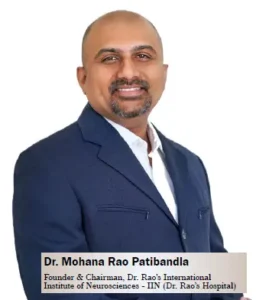
Dr. Mohana Rao Patibandla, internationally trained neurosurgeon and Founder of Dr. Rao's Hospital – International Institute of Neurosciences (IIN), Guntur.

Dr. Mohana Rao Patibandla, Founder & Chairman of Dr. Rao’s Hospital – International Institute of Neurosciences (IIN), Guntur, recognized for his contributions to minimally invasive brain and spine surgery.

According to SiliconIndia Healthcare, Dr. Rao represents a new generation of Indian medical leaders who combine global expertise with patient-centered care and healthcare innovation. His profile emphasized not only his surgical accomplishments but also his efforts to build a sustainable neurosciences ecosystem focused on clinical excellence, education, research, and technology.


Leadership in Minimally Invasive Neurosurgery


Minimally invasive neurosurgery has transformed the treatment of brain and spine disorders. By utilizing smaller incisions, advanced imaging, neuronavigation, intraoperative neuromonitoring, endoscopic techniques, and precision surgical planning, patients often experience:


  • Reduced pain after surgery
  • Shorter hospital stays
  • Less blood loss
  • Faster recovery
  • Earlier return to daily activities
  • Improved cosmetic outcomes


Dr. Rao has been a strong advocate of minimally invasive approaches whenever clinically appropriate, helping patients benefit from safer and more effective treatment options.


Dr. Rao’s Hospital – International Institute of Neurosciences (IIN)


Dr. Rao’s Hospital – International Institute of Neurosciences (IIN) was established with the vision of creating a world-class center dedicated to brain, spine, and nerve care. Today, it serves patients from Andhra Pradesh, Telangana, Tamil Nadu, Karnataka, Odisha, and other parts of India.


Comprehensive Neurosciences Services


The institute offers advanced treatment for a wide range of neurological and neurosurgical conditions, including:


  • Brain Tumors
  • Spine Disorders
  • Stroke and Cerebrovascular Diseases
  • Aneurysms
  • Epilepsy
  • Pediatric Neurological Disorders
  • Skull Base Tumors
  • Hydrocephalus
  • Trigeminal Neuralgia
  • Peripheral Nerve Disorders


Suggested Internal Links


Why Patients Across India Choose Dr. Mohana Rao Patibandla


When patients and families search for the best neurosurgeon in Guntur, the best neurologist in Guntur, or the best spine surgeon in Guntur, they are often looking for more than just surgical expertise. They seek experience, trust, advanced technology, personalized care, and successful outcomes.


Over the years, Dr. Mohana Rao Patibandla has built a reputation for combining internationally trained expertise with compassionate patient-centered care. His approach focuses on accurate diagnosis, evidence-based treatment, minimally invasive techniques whenever appropriate, and comprehensive rehabilitation.


Patient-Centered Neurosurgical Care


Every neurological condition is unique. Whether treating a complex brain tumor, spinal disorder, aneurysm, epilepsy, hydrocephalus, or pediatric neurological condition, Dr. Rao believes treatment should be tailored to the individual patient’s needs.


This philosophy has helped establish Dr. Rao’s Hospital – International Institute of Neurosciences (IIN) as a trusted destination for advanced neurological care in India.


Innovation in Brain and Spine Surgery


Modern neurosurgery is evolving rapidly. Today’s patients benefit from technologies that were unavailable just a decade ago.


At Dr. Rao’s Hospital – International Institute of Neurosciences (IIN), advanced technologies are utilized to improve surgical precision and patient outcomes.


Advanced Neurosurgical Technologies


  • High-Definition Operating Microscopes
  • Neuronavigation Systems
  • Intraoperative Neuromonitoring (IONM)
  • Endoscopic Neurosurgery
  • Minimally Invasive Spine Surgery
  • BrainPath-Assisted Surgery
  • Cerebrovascular and Endovascular Neurosurgery
  • Advanced Neuroimaging
  • Microsurgical Skull Base Techniques


These technologies allow surgeons to operate with greater accuracy while preserving healthy tissues and critical neurological structures.


Advancing Cerebrovascular and Endovascular Neurosurgery


Stroke remains one of the leading causes of disability and death worldwide. Early diagnosis and expert treatment can significantly improve outcomes.


Dr. Rao has received specialized international training in cerebrovascular and endovascular neurosurgery, enabling treatment of:


  • Brain Aneurysms
  • Arteriovenous Malformations (AVMs)
  • Stroke
  • Carotid Artery Disease
  • Cerebral Hemorrhage
  • Complex Cerebrovascular Disorders


The ability to offer both open microsurgical and endovascular treatment options allows patients to receive individualized care based on their specific condition.


Pediatric Neurosurgery Expertise


Children with neurological disorders require specialized expertise and compassionate care. Dr. Rao’s advanced training in pediatric neurosurgery helps provide comprehensive treatment for complex childhood neurological conditions.


Common pediatric neurosurgical conditions treated include:


  • Hydrocephalus
  • Brain Tumors
  • Spinal Dysraphism
  • Chiari Malformations
  • Craniosynostosis
  • Pediatric Epilepsy
  • Congenital Brain and Spine Disorders


Research, Education, and Academic Excellence


The SiliconIndia feature highlighted Dr. Rao’s commitment to academic medicine and continuous learning. Beyond the operating room, he actively contributes through scientific publications, presentations, national conferences, and international collaborations.


His academic contributions help advance neurosurgical knowledge while ensuring patients benefit from the latest evidence-based treatment approaches.


National and International Presentations


Dr. Rao regularly presents innovative surgical techniques and clinical experiences at leading neurosurgical conferences across India and internationally. Topics have included:


  • Endoscopic Skull Base Surgery
  • BrainPath Surgery for Deep-Seated Brain Lesions
  • Endovascular Neurosurgery
  • Advanced Spine Surgery
  • Intraoperative Neuromonitoring
  • Complex Cerebrovascular Reconstruction


The Future of Neurosurgery: AI, Robotics, and Precision Medicine


The future of neurosciences will increasingly be shaped by artificial intelligence, robotics, precision diagnostics, advanced imaging, and personalized medicine.


AI-assisted planning can help surgeons analyze complex anatomical structures, while advanced imaging technologies enable more precise diagnosis and treatment planning.


Dr. Rao believes that while technology will continue transforming medicine, the human element of healthcare remains essential.


“Technology should enhance patient care, not replace the human connection between doctor and patient. The goal is always better outcomes, safer treatment, and improved quality of life.”


Frequently Asked Questions About Dr. Mohana Rao Patibandla


Who is Dr. Mohana Rao Patibandla?

Dr. Mohana Rao Patibandla is an internationally trained neurosurgeon and Founder of Dr. Rao’s Hospital – International Institute of Neurosciences (IIN), Guntur, Andhra Pradesh.


Why was Dr. Mohana Rao Patibandla featured by SiliconIndia?

SiliconIndia Healthcare featured Dr. Rao among its Top 10 Neurosurgeons in India 2026 for his contributions to minimally invasive neurosurgery, advanced brain and spine surgery, innovation, research, and patient care.


What conditions does Dr. Rao treat?

Dr. Rao treats brain tumors, spine disorders, stroke, aneurysms, epilepsy, skull base tumors, hydrocephalus, pediatric neurological disorders, and many other brain and spine conditions.


What is minimally invasive neurosurgery?

Minimally invasive neurosurgery uses smaller incisions and advanced technologies to reduce surgical trauma, shorten recovery time, and improve patient outcomes.


Where is Dr. Rao’s Hospital located?

Dr. Rao’s Hospital – International Institute of Neurosciences (IIN) is located at Old Bank Street, Kothapet, Guntur, Andhra Pradesh, India.


SiliconIndia Recognition Reflects a Broader Vision


Being featured among SiliconIndia’s Top 10 Neurosurgeons in India 2026 represents more than individual recognition. It reflects a vision of delivering world-class neuroscience care through innovation, education, research, and patient-centered treatment.


The feature acknowledges Dr. Mohana Rao Patibandla’s efforts to bridge international expertise with local accessibility, ensuring patients can receive advanced brain, spine, and nerve care closer to home.


Schedule a Consultation with Dr. Mohana Rao Patibandla


If you or a loved one is experiencing a neurological condition and seeking expert evaluation, Dr. Rao’s Hospital – International Institute of Neurosciences (IIN) offers comprehensive diagnosis, treatment, and rehabilitation services.


Dr. Mohana Rao Patibandla
Founder of Dr. Rao’s Hospital – International Institute of Neurosciences (IIN), Guntur

Phone: +91 90100 56444
Email: info@drraoshospitals.com
Website: https://drraoshospitals.com


Conclusion


The recognition of Dr. Mohana Rao Patibandla among SiliconIndia Healthcare’s Top 10 Neurosurgeons in India 2026 underscores a career dedicated to surgical excellence, innovation, education, and compassionate patient care.


Through Dr. Rao’s Hospital – International Institute of Neurosciences (IIN), he continues to advance minimally invasive brain and spine surgery, complex cerebrovascular care, pediatric neurosurgery, and cutting-edge neuroscience services. As healthcare continues to evolve, Dr. Rao remains committed to delivering world-class outcomes while helping shape the future of neurosciences in India.

Primary Source URL (SiliconIndia Feature)
https://www.siliconindia.com/digital-magazine/neurosurgeons-in-india-june-2026/

Dr. Mohana Rao Patibandla Official Profile
https://drraoshospitals.com/dr-mohana-rao-patibandla-brief-bio-international-institute-of-neurosciencs-guntur/

Dr. Rao’s Hospital – International Institute of Neurosciences (IIN)
https://drraoshospitals.com/

Andhra Medical College
https://amcollege.edu.in/

Nizam’s Institute of Medical Sciences (NIMS)
https://www.nims.edu.in/

National Library of Medicine (PubMed)
https://pubmed.ncbi.nlm.nih.gov/

American Association of Neurological Surgeons
https://www.aans.org/

Congress of Neurological Surgeons
https://www.cns.org/

World Federation of Neurosurgical Societies
https://www.wfns.org/

Neurological Society of India
https://neurosocietyindia.com/

The best Minimally Invasive Keyhole Endoscopic Spine Surgery in Guntur

How Keyhole Neurosurgery Is Transforming Brain and Spine Care in India – Dr. Rao’s IIN


How Minimally Invasive Keyhole Neurosurgery Is Revolutionizing Brain and Spine Care in India


Modern neurosurgery has entered an era of remarkable transformation driven by advanced imaging, precision-guided technologies, minimally invasive surgical systems, and sophisticated neurosciences innovation.


Historically, many neurological and spine surgeries required large surgical openings and extensive tissue manipulation to reach delicate structures deep within the brain or spine.


While traditional surgical techniques saved countless lives, they were often associated with longer hospitalization, greater tissue disruption, postoperative pain, and extended rehabilitation periods.


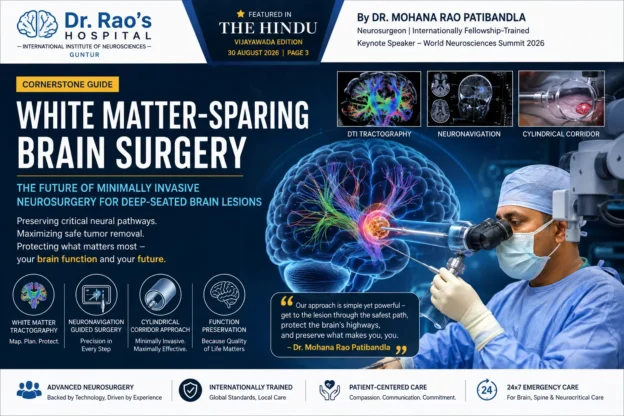
Today, minimally invasive keyhole neurosurgery is changing this landscape by enabling surgeons to perform selected procedures through smaller openings while preserving surrounding neurological structures and improving recovery outcomes.


A recent Times of India feature highlighted this transformation through the recognition awarded to Dr. Mohana Rao Patibandla as the Best Minimally Invasive Keyhole Neurosurgeon and Spine Surgeon at the prestigious Radiocity FM 91.1 Icon Awards.


Primary Source: Times of India – Dr. Mohana Rao Patibandla Honoured as Best Minimally Invasive Keyhole Neurosurgeon and Spine Surgeon


The Complexity of Brain and Spine Surgery


Neurosurgery remains one of the most technically demanding specialties in medicine because it involves structures responsible for:


  • Movement
  • Speech
  • Memory
  • Vision
  • Cognition
  • Sensory function


The brain and spinal cord contain highly delicate neural pathways and vascular structures where even small surgical inaccuracies may potentially affect long-term neurological function.


Conditions commonly requiring neurosurgical or spine intervention include:


  • Brain tumors
  • Spinal cord compression
  • Disc prolapse
  • Stroke-related disorders
  • Traumatic injuries
  • Neurovascular diseases
  • Degenerative spine disease


Modern neurosurgery therefore depends heavily on precision, technology integration, multidisciplinary collaboration, and continuous innovation.


American Association of Neurological Surgeons


What Is Minimally Invasive Keyhole Neurosurgery?


Keyhole neurosurgery is an advanced minimally invasive surgical technique that allows surgeons to access neurological pathology through smaller surgical openings using specialized instruments, microscopes, endoscopes, and neuronavigation systems.


According to the Times of India article, Dr. Mohana Rao Patibandla has become widely recognized for advancing minimally invasive keyhole neurosurgery and spine surgery in India.


Unlike traditional open surgery, keyhole approaches focus on:


  • Smaller incisions
  • Microsurgical precision
  • Reduced tissue disruption
  • Enhanced visualization
  • Function preservation


These techniques often utilize:


  • Operating microscopes
  • Endoscopic systems
  • Advanced neuroimaging
  • Neuronavigation
  • Intraoperative monitoring


Modern keyhole surgery represents one of the most important advancements in contemporary neurosciences.


The Benefits of Minimally Invasive Neurosurgery


The evolution of minimally invasive surgery has significantly improved patient care in selected neurological and spinal conditions.


Potential advantages may include:


  • Reduced blood loss
  • Less postoperative pain
  • Shorter hospitalization
  • Smaller surgical scars
  • Faster recovery
  • Reduced tissue trauma


The Times of India article emphasizes Dr. Rao’s dedication toward advancing minimally invasive surgery to improve patient outcomes and accessibility.


Modern healthcare increasingly prioritizes preserving function while minimizing surgical disruption.


Minimally Invasive Neurosurgery at Dr. Rao’s Hospital


The Evolution of Minimally Invasive Spine Surgery


Spine surgery has also undergone major transformation through minimally invasive approaches.


Traditional spine procedures often involved:


  • Larger muscle dissection
  • Greater blood loss
  • Longer recovery time
  • Extended rehabilitation


Modern minimally invasive spine surgery now enables selected procedures through smaller corridors while preserving muscles and surrounding tissues.


Conditions commonly treated using minimally invasive spine techniques may include:


  • Lumbar disc prolapse
  • Cervical disc disease
  • Spinal stenosis
  • Degenerative spine disorders
  • Selected spinal tumors


These advancements have significantly improved postoperative rehabilitation and patient mobility.


North American Spine Society


International Training and Global Exposure


The Times of India feature highlights Dr. Rao’s international training experience in the United States, Europe, and Japan.


Global exposure often provides neurosurgeons experience with:


  • Advanced surgical technologies
  • Research-oriented healthcare systems
  • Complex multidisciplinary care
  • Modern operating room infrastructure
  • Evidence-based medicine


Such international training frequently influences long-term institutional vision and innovation-driven healthcare development.


The article emphasizes how these experiences shaped Dr. Rao’s patient-centered approach focused on precision and innovation.


The Importance of Regional Neurosciences Infrastructure


One of the most important themes reflected throughout the article is the expansion of advanced neurological care beyond metropolitan cities.


Historically, many patients from smaller towns traveled long distances seeking:


  • Complex brain surgery
  • Advanced spine surgery
  • Stroke intervention
  • Neuro-oncology care
  • Endovascular treatment


This often created:


  • Financial burden
  • Treatment delays
  • Interrupted rehabilitation
  • Accessibility challenges


According to the Times of India article, Dr. Rao’s dedication toward accessible and high-quality care has benefited patients from Andhra Pradesh, Telangana, and neighboring states.


Regional neuroscience systems improve:


  • Emergency accessibility
  • Continuity of treatment
  • Patient convenience
  • Long-term rehabilitation support


Technology Is Transforming Neurosciences


Modern neurological care increasingly depends on sophisticated technologies including:


  • Neuronavigation systems
  • Advanced MRI imaging
  • Microsurgical operating microscopes
  • Endoscopic systems
  • Intraoperative neuromonitoring
  • Precision-guided surgical platforms


These technologies improve:


  • Surgical planning
  • Precision
  • Safety
  • Neurological preservation
  • Patient recovery


The future of neurosurgery will increasingly depend on integrating technology with human expertise and ethical patient-centered care.


The Human Side of Neurosurgery


Despite technological advancements, neurological care remains deeply human.


Patients facing brain or spine disorders often experience:


  • Fear
  • Anxiety
  • Concerns regarding disability
  • Emotional uncertainty
  • Questions about long-term recovery


Modern healthcare therefore requires not only technical expertise but also:


  • Compassion
  • Communication
  • Empathy
  • Trust
  • Long-term rehabilitation support


The Times of India article repeatedly reflects themes of dedication toward innovation, patient care, and medical excellence.


Recognition and Healthcare Leadership


Healthcare awards frequently recognize broader contributions toward innovation, accessibility, and patient-centered care.


The article notes several recognitions associated with Dr. Rao’s contributions, including:


  • Brain Lab Neurosurgery Award
  • Leaders Award
  • Atal Achievement Award


Such recognitions highlight the growing importance of innovation-driven neurological care within India’s healthcare ecosystem.


The Future of Keyhole Neurosurgery in India


India’s neurosciences ecosystem continues evolving rapidly through:


  • Artificial intelligence-assisted diagnostics
  • Robotic surgery
  • Advanced neuroimaging
  • Precision-guided surgery
  • Minimally invasive systems
  • Endovascular intervention


At the same time, future healthcare transformation will depend heavily on:


  • Regional accessibility
  • Advanced training
  • Ethical healthcare systems
  • Continuous innovation
  • Patient-centered treatment


Institutions capable of combining advanced technology with compassionate care are likely to shape the future of neurological treatment across India.


Conclusion


The recognition awarded to Dr. Mohana Rao Patibandla as Best Minimally Invasive Keyhole Neurosurgeon and Spine Surgeon reflects a broader transformation occurring within India’s neurosciences ecosystem.


Modern neurological and spinal care increasingly depends on:


  • Minimally invasive surgery
  • Advanced imaging technologies
  • Precision-guided systems
  • Multidisciplinary expertise
  • Patient-centered care


Institutions such as Dr. Rao’s Hospital – International Institute of Neurosciences represent an important part of India’s expanding commitment toward accessible, innovation-driven, and ethically focused neurosciences care.


As minimally invasive surgery continues evolving globally, the integration of precision technology, surgical expertise, and compassionate healthcare will likely define the next era of brain and spine treatment in India.


Frequently Asked Questions (FAQ)


1. What is keyhole neurosurgery?

Keyhole neurosurgery is a minimally invasive surgical technique using smaller openings and advanced imaging systems to reduce tissue disruption.


2. What are the benefits of minimally invasive spine surgery?

Benefits may include smaller incisions, less pain, shorter hospitalization, and faster recovery.


3. Why is neuronavigation important in neurosurgery?

Neuronavigation helps surgeons identify safer surgical pathways and improve precision during brain and spine surgery.


4. Why are regional neuroscience centers important?

They improve accessibility to advanced neurological and spine care outside major metropolitan cities.


5. Who is Dr. Mohana Rao Patibandla?

Dr. Mohana Rao Patibandla is an internationally trained neurosurgeon and founder of Dr. Rao’s Hospital – International Institute of Neurosciences.


Internal Links


Call To Action

If you or your loved one is experiencing neurological symptoms such as persistent headaches, seizures, spinal pain, weakness, stroke warning signs, or neurological disorders, timely expert evaluation is essential.


Dr. Rao’s Hospital – International Institute of Neurosciences
12-19-67, Old Bank Road, Kothapet, Besides AK Biryani Point, Guntur, Andhra Pradesh

Phone: +91 9010056444

Email: info@drraoshospitals.com

Website: https://drraoshospitals.com/


Connect With Us

“`

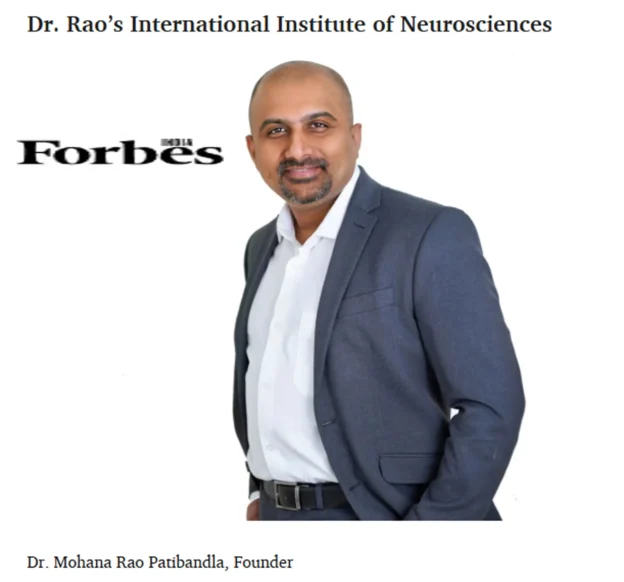
Dr. Mohana Rao Patibandla, Founder of Dr. Rao's International Institute of Neurosciences (IIN), featured in Forbes India for advancing brain, spine, stroke, and neurovascular care in Andhra Pradesh.

Featured in Forbes India: Dr. Mohana Rao Patibandla’s Vision

Featured in Forbes India: How Dr. Mohana Rao Patibandla Is Bringing World-Class Neuroscience Care to Andhra Pradesh


Healthcare transformation rarely happens overnight. It is usually the result of a long-term vision, years of training, technological innovation, and an unwavering commitment to improving patient care. Across India, a new generation of healthcare leaders is helping bridge the gap between metropolitan medical excellence and regional healthcare accessibility. Among them is Dr. Mohana Rao Patibandla, Founder of Dr. Rao’s Hospital – International Institute of Neurosciences (IIN) , whose work in advanced brain, spine, stroke, and neurovascular care recently gained national attention through a feature in Forbes India.


The recognition highlights more than the achievements of a single institution. It reflects a broader healthcare movement—one in which highly specialized medical services are becoming increasingly available outside traditional metropolitan centers. For patients in Andhra Pradesh and neighboring regions, this shift has profound implications. It means access to advanced neurological care closer to home, reduced treatment delays, and improved opportunities for timely intervention in complex neurological disorders.


At a time when neurological diseases are emerging as one of the most significant healthcare challenges worldwide, institutions dedicated exclusively to neurosciences play an increasingly important role. Dr. Rao’s Hospital – International Institute of Neurosciences (IIN) was founded with precisely this purpose: to create a center capable of delivering comprehensive, evidence-based, internationally informed neurological and neurosurgical care while remaining accessible to patients across India.


Why the Featured in Forbes India Matters


Recognition by a respected national publication provides an opportunity to examine the broader significance of an institution’s work. The Forbes India Brand Connect feature highlighted Dr. Rao’s Hospital – International Institute of Neurosciences (IIN) as part of its Emerging Companies in India initiative, drawing attention to the institute’s contributions to advanced neuroscience care and healthcare accessibility.


What makes this recognition noteworthy is the context in which it occurs. Historically, advanced neurosurgical treatment in India has been concentrated within a limited number of metropolitan hospitals located in cities such as Delhi, Mumbai, Bengaluru, Chennai, and Hyderabad. While these centers continue to play a critical role in healthcare delivery, patients from smaller cities and rural areas have often faced substantial barriers in accessing specialized treatment.


Traveling long distances for medical care can introduce significant challenges. Families may encounter financial strain, prolonged absences from work, disruption to education, and delays in seeking treatment. For neurological disorders, where early diagnosis and timely intervention frequently influence outcomes, such delays can be particularly consequential.


The emergence of advanced neuroscience centers in Tier-2 cities represents one of the most important developments in Indian healthcare. By bringing specialized expertise closer to patients, these institutions help reduce disparities in healthcare access while improving opportunities for timely treatment.


The Journey of Dr. Mohana Rao Patibandla


Behind every specialized medical institution is a story of professional development, clinical experience, and a vision for improving patient care. Dr. Mohana Rao Patibandla’s journey reflects a commitment to acquiring expertise across multiple subspecialties within neurosciences before returning to apply that knowledge in India.


After completing his MBBS from Andhra Medical College, Visakhapatnam, Dr. Patibandla pursued advanced training in neurosurgery at Nizam’s Institute of Medical Sciences (NIMS), Hyderabad. Recognizing the rapidly evolving nature of neurosciences, he continued his education through multiple fellowship programs in the United States, gaining exposure to leading institutions and advanced treatment methodologies.


Unlike many specialists who focus narrowly on a single area of practice, Dr. Patibandla sought comprehensive exposure across several subspecialties. This multidisciplinary approach enabled him to develop expertise in a broad range of neurological conditions while understanding how different branches of neurosciences intersect in clinical practice.


International Training Across Multiple Neurosurgical Subspecialties


Modern neurosciences encompass a diverse range of disciplines, each requiring highly specialized knowledge and technical expertise. Dr. Patibandla’s international training included exposure to several critical areas:


Minimally invasive skull base surgery

Pediatric neurosurgery

Neuro-oncology

Functional neurosurgery

Stereotactic radiosurgery

Cerebrovascular neurosurgery

Endovascular neurosurgery

Advanced spine surgery


This breadth of training provides a unique perspective on the management of neurological diseases. Rather than viewing conditions through the lens of a single subspecialty, multidisciplinary training encourages comprehensive evaluation and individualized treatment planning.


The insights gained through these experiences would later influence the development of Dr. Rao’s Hospital – International Institute of Neurosciences (IIN), shaping its emphasis on integrated neuroscience care.


Why Return to Andhra Pradesh?


One of the most significant questions often faced by internationally trained specialists is where to apply their expertise. Many choose to remain within major metropolitan healthcare systems. Others pursue opportunities abroad. A smaller number return to regions where specialized medical services remain limited despite significant patient need.


For Dr. Mohana Rao Patibandla, the decision was guided by a clear objective: to improve access to advanced neuroscience care in Andhra Pradesh.


At the time, many patients requiring complex neurological treatment routinely traveled outside the state. Families frequently journeyed to Hyderabad, Chennai, Bengaluru, or Mumbai seeking specialized consultations, surgery, and long-term neurological management.


The vision behind Dr. Rao’s Hospital – International Institute of Neurosciences (IIN) was to create a dedicated neuroscience center capable of providing advanced brain, spine, stroke, and neurovascular care within Andhra Pradesh itself.


This vision continues to define the institution’s mission today.


The Birth of Dr. Rao’s Hospital – International Institute of Neurosciences (IIN)


Establishing a dedicated neuroscience institute requires more than infrastructure. It requires a long-term commitment to building systems, assembling multidisciplinary teams, adopting advanced technologies, and creating clinical pathways tailored specifically to neurological disorders.


Dr. Rao’s Hospital – International Institute of Neurosciences (IIN) was developed with the goal of creating a focused center for neurological care rather than a general hospital with neurology and neurosurgery departments as secondary services.


This distinction is important. Dedicated neuroscience institutes are designed around the unique needs of patients with neurological disorders. They emphasize coordinated care involving neurologists, neurosurgeons, neuro-anesthesiologists, neurointensivists, rehabilitation specialists, radiologists, and other healthcare professionals.


The result is an integrated approach that supports diagnosis, treatment, recovery, and long-term management within a single coordinated framework.


The Growing Burden of Neurological Disorders in India


Neurological diseases represent one of the most significant healthcare challenges of the modern era. As populations age and healthcare systems improve diagnostic capabilities, the prevalence of many neurological conditions continues to increase.


Common conditions affecting patients across India include stroke, brain tumors, spinal disorders, epilepsy, traumatic brain injury, aneurysms, neurodegenerative diseases, and pediatric neurological disorders.


These conditions often require specialized expertise, advanced imaging technologies, surgical intervention, neurocritical care, and long-term rehabilitation. The complexity of such care underscores the importance of dedicated neuroscience centers capable of delivering comprehensive treatment pathways.


Transforming Neurosurgery in Tier-2 India


One of the most significant healthcare developments in India during the past decade has been the rise of specialized medical centers in Tier-2 cities. Traditionally, patients requiring advanced neurological treatment often traveled to major metropolitan centers. While these hospitals continue to provide exceptional care, the concentration of expertise in a limited number of cities created significant challenges for patients from smaller towns and rural communities.


Traveling long distances for healthcare can delay diagnosis, increase treatment costs, and create emotional and logistical burdens for families. In neurological disorders, where early intervention often determines outcomes, such delays can be particularly impactful.


The emergence of advanced neuroscience institutions in regional cities is helping reshape this landscape. By bringing specialized expertise closer to patients, these centers improve accessibility while maintaining high standards of care.


Dr. Rao’s Hospital – International Institute of Neurosciences (IIN) was established with this vision in mind. Located in Guntur, Andhra Pradesh, the institute was designed to provide comprehensive brain, spine, stroke, pediatric neuroscience, and neurovascular care without requiring patients to travel outside the state for every complex neurological condition.


This approach reflects a broader healthcare trend in which excellence is increasingly defined not only by technological sophistication but also by accessibility and patient-centered care.


Advancing Brain Tumor Surgery Through Precision and Innovation


Brain tumors remain among the most challenging conditions encountered in neuroscience. Every tumor is unique, not only in its pathology but also in its location, relationship to surrounding structures, and impact on neurological function.


Modern brain tumor surgery extends far beyond the traditional objective of tumor removal. Today’s treatment strategies emphasize preservation of neurological function, quality of life, and long-term outcomes.


Successful management often requires collaboration among multiple specialists, including neurosurgeons, neuro-oncologists, radiation oncologists, neuroradiologists, neuropathologists, and rehabilitation experts.


Advances in imaging technologies have dramatically improved the ability to plan and perform complex neurosurgical procedures. High-resolution MRI, functional imaging, and neuronavigation systems enable surgeons to visualize critical structures with unprecedented precision.


Dr. Rao’s Hospital – International Institute of Neurosciences (IIN), the emphasis remains on individualized treatment planning. Each patient’s condition, symptoms, imaging findings, and overall health profile contribute to decision-making, ensuring that treatment strategies are tailored to specific clinical needs.


For patients seeking advanced treatment options for brain tumors, access to dedicated neuroscience expertise plays a crucial role in achieving optimal outcomes.


The Evolution of Minimally Invasive Brain Surgery


One of the most remarkable advances in modern neurosurgery has been the development of minimally invasive surgical techniques.


Historically, many neurological procedures required large surgical exposures to access deep-seated lesions within the brain or skull base. While effective, these approaches could involve greater tissue disruption and longer recovery periods.


The evolution of endoscopic technology, microsurgical instrumentation, advanced imaging, and navigation systems has enabled surgeons to perform increasingly complex procedures through smaller and more targeted approaches.


Minimally invasive neurosurgery focuses on achieving treatment goals while reducing unnecessary disruption to surrounding tissues.


Potential advantages may include:


Smaller incisions

Reduced postoperative discomfort

Lower blood loss

Shorter hospital stays

Faster recovery

Earlier return to normal activities


These techniques are now applied across multiple areas of neurosurgery, including selected brain tumors, skull base lesions, hydrocephalus, and cerebrospinal fluid disorders.


International training in minimally invasive skull base surgery has contributed significantly to Dr. Mohana Rao Patibandla’s approach to complex neurosurgical conditions, helping bring globally recognized techniques to patients in Andhra Pradesh.


Comprehensive Spine Surgery for Modern India


Spinal disorders represent one of the most common reasons patients seek neurosurgical consultation. As populations age and lifestyles change, conditions affecting the spine have become increasingly prevalent.


Many individuals experience neck pain, back pain, radiating limb symptoms, numbness, weakness, or mobility limitations related to spinal pathology.


Common spinal conditions include:


Lumbar disc herniation

Cervical disc disease

Spinal stenosis

Spondylolisthesis

Degenerative spinal disorders

Spinal tumors

Traumatic spinal injuries

Spinal deformities


Not every spinal condition requires surgery. In fact, many patients benefit from conservative treatments such as physical therapy, medications, lifestyle modifications, and pain management strategies.


When surgery becomes necessary, however, advances in spinal techniques have transformed patient experiences.


Modern spine surgery increasingly emphasizes minimally invasive approaches designed to reduce tissue disruption while maintaining surgical effectiveness.


The goal is not simply to address anatomical abnormalities but to restore function, improve quality of life, and support long-term recovery.


Patients frequently search online for the best spine surgeon in Guntur when seeking solutions for complex spinal conditions. Beyond marketing claims, the most important considerations often include training, experience, multidisciplinary support, technological capabilities, and patient-centered treatment planning.


Stroke Care: The Race Against Time


Stroke remains one of the most urgent medical emergencies in modern healthcare. It is also among the leading causes of disability and mortality worldwide.


Neurologists and neurosurgeons frequently emphasize a simple but powerful phrase:


Time is Brain.


Every minute of untreated stroke can result in the loss of millions of neurons. Rapid recognition and intervention therefore play a critical role in determining outcomes.


Common warning signs of stroke may include:


Sudden facial drooping

Weakness in the arm or leg

Difficulty speaking

Loss of coordination

Sudden vision changes

Severe headache


Public awareness remains one of the most important factors in improving stroke outcomes. Early recognition enables patients to reach specialized centers more quickly, allowing timely evaluation and intervention.


Comprehensive stroke care requires coordination across multiple disciplines and technologies. Advanced neuroimaging, emergency assessment, neurocritical care, endovascular intervention, rehabilitation, and long-term follow-up all contribute to patient recovery.


The continued expansion of stroke services within regional neuroscience centers represents a major advancement in Indian healthcare.


The Rise of Endovascular Neurosurgery and Neurovascular Care


Few developments have transformed neuroscience as dramatically as endovascular neurosurgery.


Traditionally, many vascular disorders affecting the brain required open surgical procedures. Today, selected conditions can often be treated through minimally invasive catheter-based approaches that navigate blood vessels from within.


Endovascular neurosurgery has become an essential component of modern neurovascular care.


Conditions commonly addressed include:


Brain aneurysms

Acute ischemic stroke

Arteriovenous malformations (AVMs)

Dural arteriovenous fistulas

Carotid artery disease

Complex cerebrovascular disorders


These procedures often involve navigating microcatheters through the vascular system to reach lesions deep within the brain, allowing treatment without the need for large surgical exposures.


Advances in endovascular technology continue to expand treatment possibilities, improving outcomes for patients with complex vascular disorders.


Dr. Mohana Rao Patibandla’s fellowship training in cerebrovascular and endovascular neurosurgery contributes to the institute’s focus on comprehensive neurovascular care and stroke management.


Pediatric Neurosurgery: Specialized Care for Children


Children present unique neurological challenges that differ significantly from those encountered in adult practice.


The developing brain and nervous system require specialized expertise, dedicated equipment, and treatment strategies tailored to the needs of young patients.


Pediatric neurosurgery encompasses a broad range of conditions, including:


Hydrocephalus

Brain tumors

Congenital malformations

Spinal dysraphism

Epilepsy

Craniosynostosis

Pediatric trauma


Families facing neurological disorders in children often experience significant emotional stress. Access to specialized pediatric neuroscience services closer to home can help reduce these burdens while ensuring timely diagnosis and treatment.


International fellowship training in pediatric neurosurgery has enabled Dr. Mohana Rao Patibandla to bring specialized expertise to the management of complex neurological disorders affecting infants and children.


Technology, Innovation, and the Future of Neurosciences


The future of neurological care will be shaped by continued innovation.


Modern neuroscience increasingly relies on technologies such as:


High-resolution MRI

Advanced CT imaging

Neuronavigation systems

Intraoperative neurophysiological monitoring

Microsurgical techniques

Endoscopic surgery

Artificial intelligence-assisted diagnostics

Robotic technologies


These tools enhance precision and support evidence-based decision-making. However, technology alone does not define excellence. Its value ultimately depends upon the expertise, judgment, and experience of the healthcare professionals utilizing it.


The combination of advanced technology with specialized clinical expertise remains central to the future of neuroscience care.


Forbes India  Recognition: A Reflection of a Larger Mission


The recent feature in Forbes India Brand Connect’s Emerging Companies in India special edition serves as an important milestone in the journey of Dr. Rao’s Hospital – International Institute of Neurosciences (IIN). More importantly, it highlights a broader mission that extends far beyond institutional recognition.


The healthcare story behind the feature is ultimately about accessibility, innovation, and the democratization of advanced neuroscience care.


For decades, highly specialized neurological treatment remained concentrated within a relatively small number of metropolitan centers. While these hospitals continue to play an essential role in healthcare delivery, the need for regional centers of excellence has become increasingly apparent.


The Forbes India feature recognized an institution that has focused on bringing advanced neurosciences closer to patients, helping reduce the need for extensive travel while maintaining a commitment to evidence-based medicine and international standards of care.


In many ways, the recognition reflects the evolution of Indian healthcare itself—where excellence is no longer defined solely by geography, but by expertise, innovation, outcomes, and patient-centered care.


The Future Vision for Neuroscience Care in Andhra Pradesh


The future of healthcare in India will depend upon institutions capable of combining specialized expertise with accessibility.


As neurological disorders become increasingly prevalent, demand for advanced neurosciences services is expected to grow significantly. Conditions such as stroke, degenerative spine disease, brain tumors, aneurysms, epilepsy, neurodegenerative disorders, and pediatric neurological conditions will require comprehensive and coordinated care pathways.


Meeting these challenges requires more than infrastructure alone. It requires:


Continuous medical education

Research and innovation

Technology adoption

Multidisciplinary collaboration

Community awareness programs

Advanced diagnostics

Specialized rehabilitation services


The long-term vision of Dr. Rao’s Hospital – International Institute of Neurosciences (IIN) aligns closely with these priorities, focusing on comprehensive neuroscience care that remains accessible to patients throughout Andhra Pradesh and beyond.


Why Patients Travel to Guntur for Advanced Neuroscience Care


One of the most interesting developments in modern Indian healthcare is the reverse referral pattern increasingly observed in specialized medicine.


Historically, patients traveled from smaller cities to metropolitan centers seeking advanced treatment. Today, highly specialized centers in Tier-2 cities increasingly attract patients from across India and even from international locations.


Several factors contribute to this shift:


Specialized expertise

Advanced technologies

Personalized patient care

Reduced treatment costs

Improved accessibility

Shorter waiting times


Patients seeking treatment for brain tumors, spinal disorders, stroke, aneurysms, pediatric neurological conditions, and other complex disorders increasingly evaluate expertise and outcomes rather than focusing solely on geographic location.


This shift reflects growing confidence in specialized institutions operating outside traditional metropolitan healthcare hubs.


Building a Culture of Innovation and Continuous Learning


Medicine evolves continuously. New technologies, research findings, treatment protocols, and surgical techniques emerge every year.


Healthcare institutions that aspire to maintain high standards must embrace a culture of continuous learning.


At Dr. Rao’s Hospital – International Institute of Neurosciences (IIN), emphasis is placed on:


Professional education

Scientific conferences

Academic collaboration

Research participation

Technology adoption

Quality improvement initiatives


This commitment to lifelong learning supports the institute’s ability to remain aligned with evolving best practices in neurosciences.


Why Dedicated Neuroscience Centers Matter


Neurological disorders often involve multiple systems and require collaboration among various specialists.


Dedicated neuroscience centers provide unique advantages because they bring together:


Neurosurgeons

Neurologists

Neuro-anesthesiologists

Neurointensivists

Radiologists

Rehabilitation specialists

Pediatric specialists

Pain management experts


This integrated model supports comprehensive care throughout every stage of the patient journey—from diagnosis and treatment to rehabilitation and long-term follow-up.


As neuroscience continues to become increasingly specialized, multidisciplinary collaboration will remain one of the most important determinants of successful patient outcomes.


Internal Resources for Patients and Families


Learn more about neurological and neurosurgical services at Dr. Rao’s Hospital – International Institute of Neurosciences (IIN):

Dr. Mohana Rao Patibandla

About Dr. Rao’s Hospital

Advanced Neurosurgery in Guntur

Comprehensive Neurology Care in Guntur

Advanced Spine Surgery in Guntur

Minimally Invasive Brain and Spine Surgery

Pediatric Neurosurgery in Guntur

Advanced Epilepsy Surgery in Guntur

International Patients – Neurosurgery in India

Book an Appointment at Dr. Rao’s Hospital


Frequently Asked Questions


Who is Dr. Mohana Rao Patibandla?

Dr. Mohana Rao Patibandla is an internationally trained neurosurgeon and Founder of Dr. Rao’s Hospital – International Institute of Neurosciences (IIN), Guntur.


Why was Dr. Rao’s Hospital featured in Forbes India?

The institute was featured in Forbes India Brand Connect’s Emerging Companies in India special feature for its contribution to advanced neuroscience care and healthcare accessibility.


What conditions does a neurosurgeon treat?

Neurosurgeons treat disorders affecting the brain, spine, nerves, and cerebrovascular system, including tumors, stroke, trauma, aneurysms, epilepsy, and spinal disorders.


What is minimally invasive neurosurgery?

Minimally invasive neurosurgery uses advanced techniques designed to reduce tissue disruption while maintaining effective treatment outcomes.


What is endovascular neurosurgery?

Endovascular neurosurgery uses catheter-based techniques to treat aneurysms, stroke, and vascular abnormalities affecting the brain.


What are the symptoms of a brain tumor?

Symptoms may include headaches, seizures, weakness, balance problems, vision changes, memory issues, and speech difficulties.


What are the warning signs of stroke?

Facial drooping, arm weakness, speech difficulties, sudden vision changes, and loss of coordination may indicate stroke and require immediate medical attention.


What conditions require spine surgery?

Disc prolapse, spinal stenosis, instability, tumors, trauma, and deformities may require surgical evaluation.


What is pediatric neurosurgery?

Pediatric neurosurgery focuses on neurological disorders affecting infants, children, and adolescents.


What is a brain aneurysm?

A brain aneurysm is a weakened area within a blood vessel wall that may enlarge and potentially rupture if untreated.


What is hydrocephalus?

Hydrocephalus involves abnormal accumulation of cerebrospinal fluid within the brain and may require surgical management.


What is skull base surgery?

Skull base surgery addresses tumors and lesions located at the base of the skull using specialized surgical approaches.


What technologies are used in modern neurosurgery?

Neuronavigation, intraoperative monitoring, advanced MRI, microsurgery, endoscopy, and artificial intelligence-assisted imaging are increasingly utilized.


Can brain aneurysms be treated without open surgery?

Many aneurysms may be treated using minimally invasive endovascular techniques depending on their anatomy and clinical characteristics.


Why should patients choose a dedicated neuroscience institute?

Dedicated neuroscience institutes provide specialized expertise, multidisciplinary teams, advanced technology, and integrated neurological care.


Why was Dr. Rao’s Hospital featured in Forbes India?

The institute was featured in Forbes India Brand Connect’s Emerging Companies in India special feature for its contribution to advanced neuroscience care and healthcare innovation.


What conditions are treated at a neuroscience institute?

Common conditions include brain tumors, stroke, spinal disorders, epilepsy, aneurysms, pediatric neurological disorders, and traumatic brain injuries.


What is minimally invasive neurosurgery?

Minimally invasive neurosurgery uses advanced technologies and smaller incisions to treat neurological conditions while reducing recovery times and surgical trauma.


Why is early stroke treatment important?

Prompt stroke treatment can significantly reduce disability and improve long-term outcomes. Rapid diagnosis and intervention are critical.


About the Author


Dr. Mohana Rao Patibandla is an internationally trained neurosurgeon and Founder of Dr. Rao’s Hospital – International Institute of Neurosciences (IIN), Guntur. He has advanced fellowship training in minimally invasive skull base surgery, pediatric neurosurgery, neuro-oncology, cerebrovascular surgery, functional neurosurgery, stereotactic radiosurgery, and endovascular neurosurgery from leading institutions in the United States.


His work focuses on advancing neuroscience care through innovation, education, evidence-based medicine, and patient-centered treatment.


Trusted Medical References


Trusted Medical References


Follow Us

YouTube

Facebook

Instagram

Google Business Page

LinkedIn

X / Twitter


Final Thoughts


The story behind the Forbes India recognition is ultimately a story about healthcare accessibility, innovation, and the pursuit of excellence in neurosciences. Through advanced training, multidisciplinary collaboration, and a commitment to patient-centered care, Dr. Mohana Rao Patibandla and Dr. Rao’s Hospital – International Institute of Neurosciences (IIN) continue to contribute to the evolving landscape of neurological care in India.


As neuroscience advances through technology, research, and clinical innovation, the ability to provide world-class care closer to patients will remain one of the defining healthcare priorities of the coming decades. The growth of specialized neuroscience centers in regions such as Andhra Pradesh represents an important step toward achieving that vision.


Dr. Rao’s Hospital, Guntur


Dr. Mohana Rao Patibandla

Founder of Dr. Rao’s Hospital – International Institute of Neurosciences (IIN)

India’s Leading Minimally Invasive Brain & Spine Surgeon

Internationally Trained • Neurosurgery • Spine Surgery • Endovascular Neurosurgery

📞 +91 90100 56444

📧 info@drraoshospitals.com

📧 drpatibandla@gmail.com

🌐 https://drraoshospitals.com

Dr. Rao’s Hospital – International Institute of Neurosciences (IIN)

12-19-97, Old Bank Street,

Kothapet, Beside AK Khan Biryani Point,

Guntur – 522001,

Andhra Pradesh, India

Dr. Mohana Rao Patibandla, neurosurgeon and Founder of Dr. Rao’s Hospital in Guntur, India

Dr. Mohana Rao Patibandla: Redefining Neurosurgical Excellence in India

Dr. Mohana Rao Patibandla: Redefining Neurosurgical Excellence Through Innovation, Ethics, and Global Vision

Dr. Mohana Rao Patibandla is a senior Indian neurosurgeon and the Founder, Chairman, and Managing Director of Dr. Rao’s Hospital, a tertiary-care center for neurology, neurosurgery, and spine surgery in Guntur, Andhra Pradesh, India. Internationally trained across India and the United States, he specializes in minimally invasive brain and spine surgery, skull base surgery, pediatric neurosurgery, epilepsy surgery, neuro-oncology, functional neurosurgery, and stereotactic radiosurgery. Dr. Patibandla is recognized for introducing advanced neurosurgical technologies and ethical, patient-centric care models in tier-2 Indian cities and for positioning India as a global destination for outcomes-driven neurosurgical care..

His work and leadership have been internationally recognized, including a detailed editorial profile as profiled by Entrepreneur Prime (UK), highlighting his role in redefining neurosurgical excellence through innovation and entrepreneurial vision.

A Vision Shaped by Global Training and Indian Realities

With over two decades of experience across nearly every subspecialty of neuroscience, Dr. Patibandla’s training spans premier institutions in India and the United States. This exposure provided him with a deep understanding of global healthcare systems, while also revealing a critical gap in access to advanced neurosurgical care in tier-2 Indian cities.

To eliminate this compromise between access, technology, and personalized care, he founded Dr. Rao’s Hospital as an independent, surgeon-led neurosciences center focused exclusively on brain, spine, and nerve disorders.

Technological Innovation in Modern Neurosurgery

Dr. Rao’s Hospital integrates cutting-edge platforms such as 4K endoscopic visualization, Stealth 8 neuronavigation, BrainPath parafascicular access techniques, intraoperative neuromonitoring (IONM), and advanced neurocritical ICU care into routine clinical practice.

These technologies allow extraordinary anatomical precision, safer access to deep-seated and eloquent-area lesions, reduced operative morbidity, shorter hospital stays, and faster functional recovery.

Minimally Invasive Neurosurgery and Faster Recovery

Minimally invasive neurosurgery forms the foundation of Dr. Patibandla’s clinical philosophy. Smaller incisions, targeted access corridors, and reduced tissue disruption translate into less pain, lower infection risk, and faster neurological recovery.

Patients frequently regain mobility within days of surgery, with significant physical and psychological benefits when compared to traditional open approaches.

Pediatric Neurosurgery with Lifelong Impact

Recognizing that children are not small adults, Dr. Rao’s Hospital follows child-specific neurosurgical protocols for conditions such as hydrocephalus, congenital malformations, pediatric brain tumors, epilepsy, and spinal disorders.

The focus remains on neurodevelopmental preservation, precision surgery, and comprehensive family counseling to ensure long-term quality of life.

Ethical Medical Tourism and Global Trust

Dr. Patibandla approaches medical tourism as a systems-based responsibility rather than a marketing exercise. International patient care at Dr. Rao’s Hospital is supported by multilingual coordination teams, teleconsultation pathways, structured follow-up systems, and transparent ethical pricing.

Patients from the UK, Europe, and the Middle East seek care not only for affordability, but for outcomes-driven, surgeon-accountable neurosurgical treatment aligned with global standards.

Cultural Sensitivity and Ethical Integrity

Cultural sensitivity, transparency, and informed consent are core values at Dr. Rao’s Hospital. Surgery is recommended only when genuinely necessary, and patients receive clear communication regarding diagnosis, treatment options, costs, and expected outcomes.

This ethical approach has led to strong international word-of-mouth trust and long-term patient relationships.

India’s Role in Global Neurosurgical Care

Dr. Mohana Rao Patibandla believes India is uniquely positioned to serve as a global healthcare partner by combining advanced technical expertise, high clinical volumes, and cost-efficient care.

Specialized, surgeon-led centers such as Dr. Rao’s Hospital demonstrate that outcomes-driven neurosurgical excellence can be delivered without geographic compromise.

Conclusion

By uniting innovation, ethics, and entrepreneurial leadership, Dr. Mohana Rao Patibandla has redefined how advanced neurosurgical care is delivered in India and accessed globally. His work stands as proof that world-class brain and spine care is no longer limited by location, but guided by vision, precision, and compassion.

Contact details:

Dr. Rao’s Hospital / Patibandla Narayana Swamy Neurosciences LLP

12-19-67, Old Bank Road, Kothapet, Besides AK Khan Biryani point, Guntur, Andhra Pradesh, India 522001

Phone: +91 9010056444

Email: info@drraoshospitals.com; drpatibandla@gmail.com; Website: https://drraoshospitals.com

https://www.youtube.com/user/@mrpatiban

https://www.facebook.com/Dr.Raoshospital.Neurosurgeon/

https://www.instagram.com/dr_mohana_rao/

https://g.page/r/CSzUiYw6Fj7IEBE

https://www.linkedin.com/in/drpatibandla/

https://x.com/MohanaRaoPatib

Dr. Rao’s Hospital, Guntur

Dr. Mohana Rao Patibandla

About Dr. Rao’s Hospital

Advanced Neurosurgery in Guntur

Comprehensive Neurology Care in Guntur

Advanced Spine Surgery in Guntur

Minimally Invasive Brain and Spine Surgery

Pediatric Neurosurgery in Guntur

Advanced Epilepsy Surgery in Guntur

International Patients – Neurosurgery in India

Book an Appointment at Dr. Rao’s Hospital

20 FAQs about Brain Tumors by the best brain tumor surgeon Dr. Rao

20 FAQs about Brain Tumors by the best brain tumor surgeon Dr. Rao

20 FAQs about Brain Tumors by the best brain tumor surgeon Dr. Rao

What is a brain tumor?

A brain tumor is an abnormal growth of cells within the brain.

What are the common symptoms of a brain tumor?

Symptoms can include headaches, seizures, cognitive changes, and motor disturbances.

What are the types of brain tumors?

Brain tumors can be classified as benign (non-cancerous) or malignant (cancerous), and they can originate from different brain tissues.

When is brain tumor surgery recommended?

Surgery is usually recommended to remove or biopsy tumors that are causing symptoms or have the potential to grow.

What is minimally invasive brain tumor surgery?

Minimally invasive surgery uses small incisions and specialized tools to access and remove brain tumors, reducing damage to surrounding tissue.

Are all brain tumors treatable with minimally invasive techniques?

Not all tumors are suitable for minimally invasive approaches; it depends on the location, size, and type of tumor.

How does minimally invasive brain tumor surgery work?

Minimally invasive techniques use advanced imaging and surgical instruments to access and remove tumors through small incisions.

What are the benefits of minimally invasive brain tumor surgery?

Benefits include smaller incisions, reduced blood loss, shorter hospital stays, and faster recovery compared to traditional open surgery. In a recent deccanherald

Is Dr. Rao experienced in minimally invasive brain tumor surgery?

Yes, Dr. Rao is an experienced neurosurgeon skilled in various minimally invasive techniques.

Is Dr. Rao’s hospital equipped for complex brain tumors surgeries?

Yes, Dr. Rao’s hospital has cutting-edge technology and a skilled team to perform advanced brain tumor surgeries.

What is the success rate of brain tumors surgery?

Success rates vary based on the type and stage of the tumor, as well as individual patient factors.

What are the risks associated with brain tumors surgery?

Risks include infection, bleeding, neurological deficits, and complications related to anesthesia.

Can minimally invasive brain tumor surgery be performed on elderly patients?

Yes, minimally invasive techniques can be beneficial for older adults due to their reduced impact on the body.

How long does the recovery period typically last after brain tumors surgery?

Recovery times vary, but minimally invasive surgery often leads to faster healing and shorter hospital stays.

Are there alternative treatments to surgery for brain tumors?

Depending on the tumor type, size, and location, alternatives like radiation therapy or chemotherapy might be considered.

Can minimally invasive techniques address recurrent brain tumors?

In some cases, minimally invasive approaches can be used for recurrent tumors, depending on individual circumstances.

How can I consult Dr. Rao for brain tumor evaluation?

To consult Dr. Rao, you can call 9010056444 or visit Dr. Rao’s hospital website at drraoshospitals.

What is the process for diagnosing brain tumor?

Diagnosis involves imaging tests like MRI or CT scans and sometimes a biopsy for accurate identification.

Is insurance going to cover minimally invasive brain tumor surgery?

Coverage varies by insurance provider and policy; it’s best to check with your insurance company.

Where can I learn more about Dr. Rao’s expertise in brain tumor surgery?

For more information about Dr. Rao’s experience and minimally invasive brain tumor surgery, visit drraoshospitals or call 9010056444.

Always consult a medical professional like Dr. Rao for personalized advice and recommendations based on your specific medical condition.