Author Archives: Dr RAO

Dr. Mohana Rao Patibandla featured on the cover of The Enterprise World as “The Best Neurosurgeon to Watch in India 2025.”

Dr. Mohana Rao Patibandla – The Best Neurosurgeon in India 2025 – The Enterprise World


Dr. Mohana Rao Patibandla Featured as “The Best Neurosurgeon to Watch in India 2025” by The Enterprise World

Guntur, Andhra Pradesh – December 2025: The Enterprise World, a leading global business and leadership magazine, has proudly featured Dr. Mohana Rao Patibandla, Founder and Chief Neurosurgeon of Dr. Rao’s Hospital, Guntur, as “The Best Neurosurgeon to Watch in India 2025.” The feature titled “Healing with Heart: Mission to Restore Hope” celebrates Dr. Rao’s visionary contributions to modern neurosurgery, his compassionate approach to healing, and his pioneering role in transforming brain and spine care in India.

“Healing with Heart” — Dr. Mohana Rao Patibandla’s inspiring cover story in The Enterprise World, highlighting his mission to restore hope through neurosurgery.

“Healing with Heart” — Dr. Mohana Rao Patibandla’s inspiring cover story in The Enterprise World, highlighting his mission to restore hope through neurosurgery.

Read full story at The Enterprise world


From Guntur to Global Recognition

Few journeys in medicine inspire as much admiration as that of Dr. Mohana Rao Patibandla. Born and raised in Andhra Pradesh, Dr. Rao’s dedication to learning and innovation has placed him among the best neurosurgeons in India today. His rise from a small-town medical graduate to an internationally trained neurosurgeon is a testament to his unwavering commitment to excellence.

After completing his MBBS from Andhra Medical College, Visakhapatnam and M.Ch. in Neurosurgery from Nizam’s Institute of Medical Sciences, Hyderabad, Dr. Rao trained across the United States in multiple advanced fellowships. His global training included Minimally Invasive Skull Base Surgery, Pediatric Neurosurgery, Functional Neurosurgery, Endovascular and Stereotactic Radiosurgery — making him one of the most comprehensively trained neurosurgeons in the country.

But what truly sets Dr. Rao apart is his decision to return to India. Instead of pursuing fame in international centers, he brought world-class neurosurgery back home — founding Dr. Rao’s Hospital in Guntur with the vision of making advanced neurological and spine care accessible to every Indian.

Certificate of recognition presented to Dr. Mohana Rao Patibandla by The Enterprise World as “The Best Neurosurgeon to Watch in India 2025.”

Certificate of recognition presented to Dr. Mohana Rao Patibandla by The Enterprise World as “The Best Neurosurgeon to Watch in India 2025.”

Read about Dr. Mohana Rao Patibandla on The Enterprise World 


Dr. Rao’s Hospital: Where Compassion Meets Innovation

Established in 2019, Dr. Rao’s Hospital is India’s first independent, dedicated neuroscience center offering advanced brain, spine, and nerve treatments under one roof. Under Dr. Rao’s leadership, it has evolved into a national hub for excellence — combining cutting-edge technology with patient-centered care.

The hospital features world-class infrastructure including Hybrid Cath Labs, 3D Neuronavigation Systems, Intraoperative Neurophysiological Monitoring (IONM), Stereotactic Radiosurgery, and Endoscopic Skull Base Surgery. Every innovation is driven by one goal — to minimize surgical risk and maximize patient recovery.

Dr. Rao has successfully performed over 15,000 complex neurosurgical procedures, including more than 12,000 minimally invasive brain and spine surgeries. Patients from over 15 countries have found hope at Dr. Rao’s Hospital, making it one of India’s most trusted destinations for those seeking the best neurologist in Guntur and the best spine surgeon in Guntur.


“Healing with Heart” — The Philosophy Behind the Practice

Dr. Mohana Rao’s approach to medicine goes far beyond surgical precision. His philosophy — “Technology saves lives, but compassion heals them” — defines the culture at Dr. Rao’s Hospital. Every patient is treated with empathy, transparency, and respect, reflecting his belief that true healthcare must care for both the body and the soul.

In the Enterprise World cover story, Dr. Rao’s life and mission are beautifully captured. The feature highlights how his blend of scientific excellence and human empathy is reshaping the future of neurosurgery in India.

“My journey was never about building a hospital; it was about bringing healing home and making world-class neurosurgery accessible to everyone.” – Dr. Mohana Rao Patibandla


A Legacy of Excellence and Leadership

Dr. Rao’s contributions have been recognized with multiple prestigious honors, including:

  • 🏅 Best Minimally Invasive Neurosurgeon and Spine Surgeon of the Year – Dr. A.P.J. Abdul Kalam Inspiration Awards 2025
  • 🏅 Economic Times Business & Health Excellence Awards 2025
  • 🏅 Sardar Vallabhbhai Patel Unity Award 2025
  • 🏅 Asia’s Most Trusted Neurosurgeon (2023)
  • 🏅 Health Icon of the Year (2021)

Beyond awards, Dr. Rao is a passionate academician with 70+ international publications and 1,200+ research citations, reflecting his deep commitment to scientific advancement. His TEDx Talk, “My Journey to Bring Healing Home – A Neurosurgeon’s Quest in Guntur”, continues to inspire countless young doctors and healthcare leaders worldwide.


Transforming Spine and Brain Surgery in India

Dr. Rao’s expertise spans a wide range of neurological and spinal procedures — from brain tumor resections and aneurysm repairs to complex spinal deformity corrections. He is a pioneer in endoscopic and minimally invasive neurosurgery techniques that drastically reduce recovery time and post-operative pain.

As one of the best spine surgeons in India, Dr. Rao has made significant contributions to neuro-oncology, neurovascular surgery, and functional neurosurgery. His advanced use of intraoperative monitoring and neuronavigation has set new safety benchmarks in Indian neurosurgery.


Building the Future of Neuroscience

Looking ahead, Dr. Rao envisions expanding his impact beyond clinical practice. His next milestone is the establishment of the Dr. Rao Institute of Neurosciences — a center dedicated to research, robotic neurosurgery, artificial intelligence, and advanced training for young neurosurgeons. The institute will foster collaboration between medicine, technology, and ethics to shape the next era of compassionate innovation.

In a world moving rapidly toward automation, Dr. Rao continues to emphasize the human side of medicine — ensuring that empathy remains the foundation of every technological breakthrough.


A True Inspiration in Medicine

From restoring hope to patients facing life-threatening conditions to mentoring the next generation of neurosurgeons, Dr. Mohana Rao Patibandla stands as a symbol of excellence, compassion, and purpose. His recognition as “The Best Neurosurgeon to Watch in India 2025” is not just an award — it is a reflection of his life’s mission to heal with heart and lead with integrity.

Through Dr. Rao’s leadership, Dr. Rao’s Hospital has emerged as a world-class destination for patients seeking expert neurological, neurosurgical, and spine care. For those searching for the best neurosurgeon in Guntur or the best spine surgeon in India, his name stands synonymous with trust and transformation.


Visit Dr. Rao’s Hospital

Dr. Rao’s Hospital is located at 12-19-67, Old Bank Road, Kothapet, Opposite Sravani Hospital, Guntur, Andhra Pradesh.

📞 Phone: +91 90100 56444
📧 Email: info@drraoshospitals.com | drpatibandla@gmail.com
🌐 Website: https://drraoshospitals.com

Follow Dr. Mohana Rao Patibandla on social media:
🔹 YouTube |
🔹 Facebook |
🔹 Instagram |
🔹 LinkedIn |
🔹 X (Twitter)


“Healing with Heart” — Dr. Mohana Rao Patibandla’s story reminds us that in the hands of a compassionate healer, science becomes service, and surgery becomes hope.

Touching Lives Beyond the Operating Room

While Dr. Mohana Rao Patibandla’s surgical precision has transformed thousands of lives, his true legacy lies in his compassion. His philosophy of “healing with heart” extends far beyond hospital walls. Through free medical camps, neuro-awareness drives, and rural outreach programs, Dr. Rao and his team have taken advanced healthcare to underserved communities across Andhra Pradesh.

From educating families about stroke prevention and spine health to raising awareness about epilepsy, brain tumors, and neurotrauma care, Dr. Rao’s initiatives continue to bridge the gap between rural and urban medicine. His belief is simple yet profound — “Every life deserves access to expert care, no matter where it begins.”


Championing Ethical and Patient-Centric Neurosurgery

As the best neurosurgeon in India, Dr. Rao’s reputation is not only built on surgical mastery but also on his uncompromising commitment to medical ethics. Each decision in his practice is guided by transparency, informed consent, and the patient’s overall well-being.

At Dr. Rao’s Hospital, patients and their families are active participants in every stage of the healing process. Treatment options are explained with clarity and compassion, ensuring that no one feels lost in the complexity of medical jargon. This approach has earned the hospital one of the highest patient satisfaction rates in India, with testimonials from across the world praising its empathy-driven environment.


Advancing Neurosurgical Research and Innovation

Dr. Rao’s scientific curiosity and drive for continuous improvement have made him a recognized academic figure internationally. His ongoing research in AI-assisted surgical planning, robotic neurosurgery, and neuro-navigation technologies aims to redefine how brain and spine surgeries are performed in India.

Under his mentorship, the hospital’s research division collaborates with leading universities to explore new frontiers in minimally invasive neurosurgery and patient rehabilitation. His 70+ international research papers and collaborations continue to influence global standards in neurosurgical practice and education.


Leadership That Inspires a Generation

Inside the operating room, Dr. Rao is known as a perfectionist. Outside of it, he is a teacher, mentor, and visionary leader. Young neurosurgeons and residents at Dr. Rao’s Hospital receive hands-on training through structured fellowship programs designed to cultivate both technical skill and ethical responsibility.

Through regular clinical symposiums, live workshops, and neurosurgical skill-building sessions, Dr. Rao ensures that his institution continues to be a learning hub for aspiring surgeons. His mentorship mantra — “Master your skill, nurture your mind, and protect your compassion” — has inspired many to adopt medicine as a mission rather than a mere profession.


International Recognition and Global Collaborations

Dr. Rao’s expertise is now sought after beyond India’s borders. His work has been presented at numerous international conferences, and he frequently collaborates with top neurosurgical institutions across the U.S., Europe, and Asia. He has performed live demonstrations and keynote lectures on minimally invasive brain surgery and endoscopic skull base approaches that have drawn global attention.

As one of the best spine surgeons in India, Dr. Rao continues to represent the country on the world stage, demonstrating that Indian neurosurgery can match — and often surpass — global standards when driven by dedication and innovation.


Technology with a Human Touch

At Dr. Rao’s Hospital, technology is not used to replace empathy but to enhance it. The use of real-time intraoperative imaging, intraoperative CT scans, and neuronavigation allows for precision-driven results with minimal trauma to the patient. But even with the most advanced tools, Dr. Rao’s focus remains on the individual — understanding their fears, guiding them through uncertainty, and walking beside them through recovery.

This delicate balance of science and soul defines the essence of his success as the best neurologist and neurosurgeon in Guntur. His ability to see patients not as cases but as stories of resilience continues to inspire trust and gratitude among families nationwide.


Shaping the Future of Neuroscience in India

Looking toward the future, Dr. Rao envisions the establishment of the Dr. Rao Institute of Neurosciences — a multidisciplinary center that will integrate education, clinical practice, and research. The institute aims to train the next generation of neurosurgeons while driving innovations in robotic-assisted surgeries, neurorehabilitation, and artificial intelligence.

Through this initiative, Dr. Rao hopes to make India a global hub for neurological excellence — where cutting-edge science meets compassionate healthcare. His mission remains clear: to ensure that no patient must travel abroad for treatment when the best neurological care is available in their own country.


Patient Stories That Inspire

Behind every statistic lies a story of courage. Patients treated at Dr. Rao’s Hospital often describe their experience as “life-changing.” From individuals who regained mobility after spinal injuries to children recovering from complex brain surgeries, every story echoes the same sentiment — gratitude for a surgeon who listens, heals, and gives hope.

These testimonials reflect why Dr. Mohana Rao Patibandla continues to be celebrated as the best neurosurgeon in India — not only for his medical brilliance but for his genuine humanity.


Words That Define His Journey

“My purpose has always been clear — to merge the heart of a healer with the hands of a surgeon. Every patient I meet reminds me why I chose this path.”
Dr. Mohana Rao Patibandla

His journey is not one of ambition alone but of compassion, courage, and conviction. From his hometown of Guntur to the global stage, Dr. Rao’s work continues to inspire hope — not just in patients but in the future of healthcare itself.


Conclusion: A Legacy of Hope and Healing

As *The Enterprise World* celebrates Dr. Mohana Rao Patibandla as “The Best Neurosurgeon to Watch in India 2025”, it marks not an endpoint but a milestone in a journey defined by service. Through relentless dedication, pioneering techniques, and heartfelt compassion, Dr. Rao has built more than a hospital — he has built a movement of healing.

For patients searching for the best neurosurgeon in Guntur, the best spine surgeon in Guntur, or the best neurologist in Andhra Pradesh, Dr. Rao’s Hospital stands as a symbol of trust, excellence, and hope.


Visit Dr. Rao’s Hospital

Address: 12-19-67, Old Bank Road, Kothapet, Opposite Sravani Hospital, Guntur, Andhra Pradesh
Phone: +91 90100 56444
Email: info@drraoshospitals.com | drpatibandla@gmail.com
Website: https://drraoshospitals.com

Follow Dr. Mohana Rao Patibandla for insights, awareness updates, and surgical innovations:
🔹 YouTube |
🔹 Facebook |
🔹 Instagram |
🔹 LinkedIn |
🔹 X (Twitter)


Dr. Mohana Rao Patibandla’s journey continues — blending science, compassion, and vision to define the future of neurosurgery in India and beyond.

advanced neurosurgical treatments at Dr. Rao’s Hospital

expert neurological care by the best neurologist in Guntur

minimally invasive spine surgery at Dr. Rao’s Hospital

pioneering endoscopic skull base surgery in India

comprehensive brain tumor treatment in Guntur

expert care for brain aneurysms and vascular disorders

advanced epilepsy surgery with precision technology

latest minimally invasive spine procedures in Andhra Pradesh

cutting-edge endovascular neurosurgical care

functional and stereotactic neurosurgery led by Dr. Mohana Rao Patibandla

learn more about Dr. Mohana Rao Patibandla’s journey

discover why Dr. Rao’s Hospital is India’s best neurocare center

raising awareness about brain tumor prevention and treatment

importance of spinal health and early diagnosis

learn about epilepsy management and treatment options

book your consultation with the best neurosurgeon in Guntur

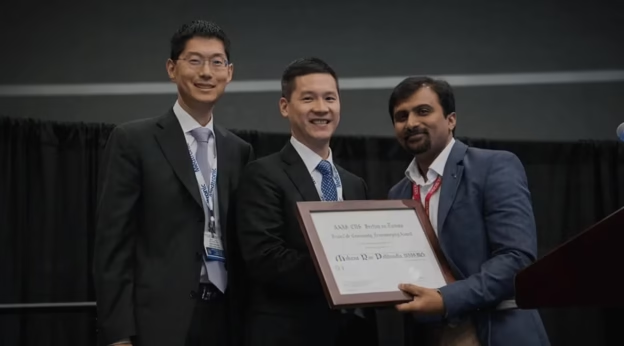
Dr. Mohana Rao Patibandla (right) accepting the BrainLab Neurosurgery Award at the CNS 2018 meeting in Houston

How Diabetes Affects Your Spine & Nerves | Dr Rao’s Guntur

How Diabetes Affects Your Spine and Nerves: Understanding Neuropathy & Prevention

Most people think of diabetes as a condition that affects blood sugar, eyes, or kidneys—but few realize how profoundly it can impact the spine and nervous system. High blood sugar levels over time can damage nerves and blood vessels that nourish the spinal cord, leading to back pain, numbness, tingling, or even weakness. This condition, known as diabetic neuropathy, can significantly affect mobility and quality of life if not detected early.

At Dr. Rao’s Hospital in Guntur, one of the best neurology and spine hospitals in Andhra Pradesh, Dr. Mohana Rao Patibandla—a leading neurosurgeon and neurologist—specializes in diagnosing and treating diabetic neuropathy and diabetic spine complications with a combination of advanced neuroimaging, minimally invasive techniques, and personalized care.


🧠 Understanding the Connection Between Diabetes and the Spine

Diabetes affects the body’s ability to regulate blood sugar, leading to nerve damage (neuropathy) and reduced blood flow to critical organs—including the spine and brain. Over time, this can weaken the small blood vessels (vasa nervorum) that supply oxygen and nutrients to spinal nerves, leading to:

  • Chronic back pain or neck stiffness
  • Nerve compression due to weakened discs and joints
  • Loss of balance or coordination
  • Numbness and tingling in the legs (neuropathy symptoms)

According to the World Health Organization (WHO), nearly 50% of people with diabetes experience some form of peripheral neuropathy during their lifetime.


⚠️ How Diabetes Affects the Nerves and Spine

1. Peripheral Neuropathy

This is the most common form of diabetic nerve damage. It affects the sensory nerves in your legs, feet, and hands—causing burning, tingling, and pain. Over time, it can spread upward to affect the spine and lower limbs, reducing reflexes and increasing the risk of falls.

2. Diabetic Radiculopathy (Nerve Root Involvement)

Diabetes can inflame or irritate the nerve roots that branch from the spinal cord, especially in the lumbar and thoracic regions. This leads to shooting pain, weakness, or numbness radiating to the hips, thighs, or legs—similar to sciatica.

3. Diabetic Myelopathy

In severe or uncontrolled diabetes, spinal cord tissue itself may be affected (known as diabetic myelopathy). This can cause progressive weakness, gait disturbance, and difficulty walking.

4. Diabetic Autonomic Neuropathy

This form affects involuntary functions—such as bladder control, heart rate, and blood pressure—sometimes complicating spine surgeries or recovery due to reduced body regulation.

5. Spine Degeneration and Disc Problems

Chronic hyperglycemia accelerates degenerative disc disease, leading to cervical spondylosis and lumbar disc herniation. Studies suggest that high glucose weakens collagen, increasing disc wear and tear. (Source: PubMed – Diabetes and Spine Degeneration)


🩺 Common Symptoms of Diabetic Neuropathy and Spine Problems

Recognizing early symptoms of diabetic neuropathy is key to preventing long-term nerve and spine damage. Early detection allows timely treatment and lifestyle modification.

  • Burning or tingling sensation in hands or feet
  • Numbness or loss of sensation (especially in feet)
  • Sharp pain radiating to legs (diabetic radiculopathy)
  • Unexplained back pain due to diabetes
  • Weakness in limbs or loss of balance
  • Muscle cramps, fatigue, or stiffness in the spine
  • Frequent falls or difficulty walking

If you notice these symptoms, visit the Neurology Department at Dr. Rao’s Hospital for a detailed evaluation by the best neurologist for diabetic neuropathy in Guntur.


💉 Diagnosis: How Dr. Rao’s Hospital Evaluates Diabetic Nerve & Spine Issues

Diagnosis involves a comprehensive evaluation to identify the extent and cause of nerve damage:

  • Electromyography (EMG) & Nerve Conduction Studies (NCS) – Assess electrical activity and nerve function.
  • MRI or CT scans – Detect disc degeneration, compression, or myelopathy.
  • HbA1c blood tests – Measure long-term blood sugar control and its link to nerve health.
  • Neurological examination – Evaluate reflexes, strength, and coordination.

💊 Treatment Options for Diabetic Neuropathy & Spine Problems

1. Blood Sugar Control

Maintaining an HbA1c below 7% can prevent or slow down neuropathy progression. Good glycemic control reduces inflammation and improves blood flow to the nerves and spine.

2. Medications for Nerve Pain

  • Gabapentin or pregabalin for nerve pain relief
  • Duloxetine or amitriptyline for chronic pain management
  • Alpha-lipoic acid and B-complex vitamins for nerve repair support

3. Physiotherapy and Rehabilitation

At Dr. Rao’s Hospital Spine Department, personalized rehabilitation programs improve mobility, balance, and posture. Physiotherapy is key to managing stiffness and strengthening weak spinal muscles.

4. Advanced Neurosurgical Interventions

For severe nerve compression or diabetic spinal stenosis, minimally invasive spine surgery or endoscopic decompression may be required. These procedures relieve pressure on nerves with smaller incisions and faster recovery.

5. Lifestyle & Preventive Care

  • Quit smoking and limit alcohol
  • Exercise regularly to improve circulation
  • Maintain healthy body weight
  • Wear diabetic-friendly footwear to prevent injuries
  • Regularly monitor blood sugar and blood pressure

🧩 Prevention of Diabetic Neuropathy and Spine Complications

Preventing neuropathy begins with early diabetes control and proactive spinal care. Here are key steps:

  • Monitor your HbA1c levels every 3–6 months.
  • Do diabetes neuropathy exercises like light walking, yoga, or swimming.
  • Keep your posture upright while sitting or using digital devices.
  • Get yearly nerve conduction tests if you’ve had diabetes for over 5 years.
  • Visit a diabetic neuropathy specialist in Guntur for early intervention.

As Dr. Rao advises, “Prevention starts with awareness. Controlling blood sugar early protects not just your heart or kidneys—but your spine and nerves, too.”


🏥 Why Choose Dr. Rao’s Hospital for Diabetic Neuropathy and Spine Care?

At Dr. Rao’s Hospital, we provide a multidisciplinary approach to diabetic nerve and spine care in Guntur, combining neurology, endocrinology, and physiotherapy. Led by Dr. Mohana Rao Patibandla—a U.S.-trained neurosurgeon with expertise in diabetic neuropathy and spine surgery—our team offers:

  • Accurate diagnosis using advanced neuroimaging and EMG/NCS studies
  • Tailored diabetic neuropathy treatment plans
  • Minimally invasive spine surgery for nerve compression
  • Comprehensive post-surgery rehabilitation
  • Patient-centered care with long-term monitoring

We are recognized as the best neurology hospital in Guntur for diabetes complications and have helped hundreds of patients regain mobility and quality of life.


Call to Action

If you’re experiencing numbness, burning feet, or back pain related to diabetes, visit Dr. Rao’s Hospital today. Contact us at 📞 090100 56444 or 📧 info@drraoshospitals.com to schedule an appointment with Dr. Mohana Rao Patibandla, the best neurosurgeon for diabetic neuropathy and spine issues in Guntur.


How does diabetes affect the spine and nerves?

High blood sugar damages blood vessels and nerves, leading to diabetic neuropathy, back pain, and even spinal degeneration over time.

Can diabetes cause back pain?

Yes. Diabetes can cause inflammation, disc degeneration, and nerve compression, leading to chronic back pain and diabetic radiculopathy.

Why choose Dr. Rao’s Hospital for diabetic neuropathy treatment?

At Dr. Rao’s Hospital, led by Dr. Mohana Rao Patibandla, patients receive advanced, minimally invasive care for diabetic neuropathy and spine problems with comprehensive rehabilitation support.


Follow Dr. Rao’s Hospital


Three individuals on stage at the ET Health Conclave 2025 award ceremony, with one holding a framed award. The backdrop features the event logo, "ET Health" and "Conclave 2025," along with the Lexus sponsorship branding. The scene is illuminated with purple and blue lighting.

What to Expect After Minimally Invasive Spine Surgery: A Recovery Timeline


What to Expect After Minimally Invasive Spine Surgery: A Recovery Timeline

Minimally invasive spine surgery (MISS) has revolutionized how we treat back and neck disorders, offering faster healing, smaller incisions, and shorter hospital stays compared to traditional open surgery. However, patients often wonder, “What can I expect during recovery?” Understanding your minimally invasive spine surgery recovery timeline helps set realistic expectations and ensures smoother healing.

At Dr. Rao’s Hospital, the leading center for spine surgery in Guntur, Dr. Mohana Rao Patibandla—the best spine surgeon in Guntur—specializes in endoscopic and keyhole spine surgery, helping patients return to active life faster with minimal pain.


Understanding Minimally Invasive Spine Surgery (MISS)

MISS involves performing spinal procedures through tiny incisions using an endoscope or microscope. Unlike open surgery, muscles and tissues are gently separated rather than cut, which reduces tissue damage, postoperative pain, and recovery time.

Common procedures include:

  • Endoscopic discectomy (for slipped or herniated discs)
  • Keyhole laminectomy (for spinal stenosis)
  • Minimally invasive lumbar fusion
  • Microsurgical decompression for nerve compression

According to the Mayo Clinic, most patients resume light activities within 2–4 weeks and full activities in 6–12 weeks, depending on the type of surgery and overall health.


Recovery Timeline After Minimally Invasive Spine Surgery

While recovery varies for each individual, the general healing process can be divided into stages. Here’s what most patients can expect during their journey back to mobility and comfort.

📅 Day of Surgery to 24 Hours: Hospital Stay and Immediate Recovery

  • Hospital stay is usually less than 24–48 hours for most minimally invasive procedures.
  • Patients are encouraged to sit, stand, and walk within a few hours after surgery.
  • Pain is managed with mild analgesics or muscle relaxants.
  • Vital signs and neurological function are monitored closely.

At Dr. Rao’s Hospital, patients benefit from enhanced recovery protocols and early mobilization guided by physiotherapists.


🗓️ Week 1: Early Home Recovery

During the first week, mild back stiffness, fatigue, or incision-site soreness is common. Follow the discharge instructions carefully to avoid complications.

  • Use prescribed pain medications as directed.
  • Walk short distances several times a day to improve circulation.
  • Avoid bending, twisting, or lifting heavy objects.
  • Keep the incision clean and dry.

Patients undergoing endoscopic spine surgery recovery or keyhole spine surgery recovery typically experience faster pain reduction than traditional surgery.


🗓️ Weeks 2–4: Regaining Strength and Mobility

By the second week, most patients notice a significant decrease in pain and improved movement. Gradually, walking distance and daily activities can increase under medical guidance.

  • Light stretching and walking exercises can begin.
  • Office-based or desk work may resume in 2–3 weeks.
  • Pain and inflammation continue to decrease.
  • Follow-up appointments confirm proper healing.

At this stage, physiotherapy after spine surgery becomes crucial to regain flexibility, core strength, and posture alignment. Dr. Rao’s Hospital Neurology Services supports personalized rehab programs.


🗓️ Weeks 4–8: Returning to Normal Activity

During this phase, patients often return to daily routines and low-impact physical activities. Healing tissues regain strength, and energy levels improve.

  • Gradual return to light sports or yoga (as advised).
  • Driving may resume at 4–6 weeks once pain is controlled and mobility restored.
  • Heavier work or lifting is delayed until at least 8–10 weeks.

For those undergoing lumbar spine surgery recovery or cervical spine surgery recovery, recovery timelines may vary slightly. Consistent physiotherapy ensures a safe and successful return to work.


🗓️ 3–6 Months: Full Recovery and Long-Term Care

By three months, most patients are pain-free and back to normal life. The surgical site is fully healed, and spine strength improves with continued exercise.

  • Resume full physical activity under guidance.
  • Maintain ergonomic habits and core exercises.
  • Schedule periodic follow-ups for long-term spine health.

Dr. Rao emphasizes the importance of lifestyle modifications, such as maintaining good posture, avoiding prolonged sitting, and strengthening back muscles to prevent recurrence.


Recovery Tips After Minimally Invasive Spine Surgery

  • Follow your surgeon’s instructions and attend all follow-ups.
  • Begin physiotherapy early to rebuild strength.
  • Eat a high-protein, fiber-rich diet for faster healing.
  • Use proper posture while sitting, standing, and walking.
  • Stay hydrated and get enough rest.

For expert-guided recovery, contact Dr. Rao’s Hospital—the top spine surgery hospital in Guntur—for personalized post-surgery rehabilitation.


Why Choose Dr. Rao’s Hospital for Minimally Invasive Spine Surgery?

At Dr. Rao’s Hospital, Dr. Mohana Rao Patibandla—a U.S.-trained and fellowship-certified neurosurgeon—specializes in minimally invasive and endoscopic spine surgery in Guntur. With advanced technology and compassionate care, patients enjoy:

  • Shorter hospital stay and faster recovery
  • Minimal scarring and blood loss
  • High success rates and lower complication risks
  • Comprehensive post-operative physiotherapy

As the best minimally invasive spine surgeon in Andhra Pradesh, Dr. Rao and his team have successfully treated thousands of patients with chronic back and neck pain using modern, patient-centric methods.


Call to Action

If you’re searching for the best spine surgeon in Guntur or need recovery guidance after spine surgery, visit Dr. Rao’s Hospital today. Contact us at 📞 090100 56444 or 📧 info@drraoshospitals.com to book an appointment.


Frequently Asked Questions

How long does it take to recover from minimally invasive spine surgery?

Most patients recover within 4–6 weeks for light activity and 3–4 months for full physical function. However, recovery time after minimally invasive spine surgery can vary based on procedure type, patient fitness, and adherence to post-op care.

When can I walk or drive after spine surgery?

Walking begins within 24 hours post-surgery. Driving is generally safe after 4–6 weeks, once pain and reflexes normalize.

Is pain normal after minimally invasive spine surgery?

Mild soreness or muscle fatigue is expected during early recovery, but severe or worsening pain should be evaluated immediately.

How long does it take to recover from minimally invasive spine surgery?

Recovery typically takes 4–6 weeks for light activity and up to 3–4 months for complete recovery. Early walking and physiotherapy help speed up healing.

When can I drive after spine surgery?

Driving can usually resume after 4–6 weeks once you are pain-free, off pain medication, and can move comfortably without restrictions.

Why choose Dr. Rao’s Hospital for spine surgery?

At Dr. Rao’s Hospital, led by Dr. Mohana Rao Patibandla, one of the best spine surgeons in Guntur, patients receive world-class care using minimally invasive and endoscopic techniques for faster recovery.


Follow Dr. Rao’s Hospital


A promotional image for Dr. Rao's Hospital featuring Dr. Mohana Rao Patibandla receiving the Economic Times Excellence in Neurology, Neurosurgery, and Spine Surgery Award 2025. The image includes photos of the award ceremony, a portrait of Dr. Patibandla, and details about his qualifications (MCh, FESBS, FAANS, etc.) and contact information. The hospital's locations (Guntur, Vijayawada, Bhimavaram, Rajahmundry, Kakinada, Eluru, Ongole, Nellore) and the slogan "Act Fast - Save Brain and Spine" are highlighted, along with a map and phone number.

Recognising Early Signs of Brain Tumours in Adults: When to Seek a Neurosurgeon


Recognizing early signs of brain tumors in adults

Brain tumours can affect anyone, but their symptoms often develop subtly and are easily mistaken for more common conditions such as migraines, anxiety, or stress. However, recognising the early signs of a brain tumour can make a life-saving difference. Early diagnosis allows for timely intervention and better treatment outcomes.

At Dr. Rao’s Hospital in Guntur, led by Dr. Mohana Rao Patibandla—one of the best neurosurgeons in Guntur—patients receive world-class care for brain tumours, combining advanced neuroimaging, minimally invasive neurosurgery, and personalized treatment planning.


Understanding Brain Tumours

A brain tumour is an abnormal growth of cells within the brain or surrounding tissues. Tumours can be benign (non-cancerous) or malignant (cancerous), and their effects depend on their size, location, and growth rate. According to the World Health Organization (WHO), brain and nervous system tumours account for nearly 2% of all cancers worldwide.

Common Types of Brain Tumours in Adults

  • Glioblastoma: A highly aggressive malignant brain tumour.
  • Meningioma: Usually benign; arises from the membranes covering the brain.
  • Pituitary Tumours: Affect hormone production and vision.
  • Astrocytoma and Oligodendroglioma: Intermediate-grade tumours of the brain’s supporting cells.

[Source: PubMed – Epidemiology of Brain Tumours]


What Are the Early Signs of Brain Tumour in Adults?

Brain tumour symptoms in adults vary depending on the affected area of the brain. Many symptoms mimic other conditions, making awareness critical for early detection.

1. Persistent Headaches That Don’t Respond to Usual Medication

One of the most common early signs of a brain tumour is a persistent headache that is different from usual tension or migraine headaches. These headaches often:

  • Are worse in the morning or after waking up.
  • Get progressively more intense over time.
  • Occur with nausea or vomiting.

If you have a persistent headache and nausea that lasts beyond a few days or does not respond to medication, it’s time to consult a neurosurgeon.

2. Seizures (Fits)

Even a single seizure episode in an adult without a prior history of epilepsy could indicate a brain tumour. Tumours can irritate nearby brain tissue, causing electrical disturbances that lead to seizures.

3. Vision and Hearing Changes

Blurry vision, double vision, loss of peripheral vision, or sudden hearing loss can occur when tumours affect the optic or auditory nerves. For instance, pituitary tumours commonly cause vision problems due to pressure on the optic chiasm.

4. Personality and Behavioural Changes

Subtle shifts in behaviour, irritability, or memory problems may indicate a tumour in the frontal lobe—the brain’s area responsible for reasoning and emotional control. Family members often notice these changes first.

5. Balance and Coordination Problems

Tumours in the cerebellum can lead to unsteady walking, dizziness, and balance difficulties. These symptoms are often accompanied by headaches or nausea.

6. Speech and Cognitive Difficulties

Difficulty finding words, slurred speech, or confusion in understanding language can occur in tumours affecting the temporal or parietal lobes.

7. Weakness or Numbness in Limbs

If you notice weakness, tingling, or numbness on one side of the body, it could signify a tumour compressing motor pathways in the brain. These symptoms should not be ignored, especially if they develop gradually.


When to See a Neurosurgeon for Headaches or Neurological Symptoms

Not every headache means a tumour—but certain “red flag” symptoms indicate the need to see a neurosurgeon urgently:

  • Persistent or worsening headaches despite medication
  • Headaches accompanied by vomiting or visual disturbances
  • New-onset seizures or fainting spells
  • Changes in personality, mood, or memory
  • Weakness, speech problems, or coordination issues

At Dr. Rao’s Hospital Neurology Department, patients undergo detailed neurological assessments and advanced imaging like MRI and CT scans for early detection and accurate diagnosis.


Diagnosis and Tests for Brain Tumours

Accurate diagnosis is the cornerstone of successful treatment. The diagnostic approach includes:

  • Neurological Examination: Checks reflexes, coordination, and sensory function.
  • Neuroimaging: MRI or CT scan to locate and assess tumour characteristics.
  • Biopsy: For confirming tumour type and grade.
  • Hormone and Vision Tests: For pituitary or optic nerve involvement.

[Source: Mayo Clinic – Brain Tumour Diagnosis]


Brain Tumour Treatment in Guntur at Dr. Rao’s Hospital

Dr. Rao’s Hospital is recognized as one of the best neurosurgery hospitals in Guntur and Andhra Pradesh for brain tumour treatment. Led by Dr. Mohana Rao Patibandla, a fellowship-trained neurosurgeon with expertise in minimally invasive and skull base brain surgery, the hospital provides:

  • Advanced neuro-navigation and intraoperative imaging
  • Microsurgical and endoscopic tumour removal
  • Comprehensive neuro-oncology and rehabilitation
  • Personalized care for benign and malignant brain tumours
  • Stereotactic Radiosurgery for knife less tumor surgery

Patients across Andhra Pradesh trust Dr. Rao’s Hospital Guntur for safe and precise brain tumour surgeries.


Living with a Brain Tumour: Hope with Early Detection

While the term “brain tumour” sounds alarming, advances in neurosurgery have dramatically improved outcomes. Many benign tumours can be fully removed, and even malignant types can be controlled with surgery, radiation, and targeted therapy.

Awareness of brain tumour warning signs—such as persistent headaches, seizures, and vision problems—can help detect issues early, when treatment is most effective. Early consultation with a qualified neurosurgeon in Guntur ensures the best possible recovery.


Call to Action

If you or someone you know is experiencing persistent headaches, seizures, or neurological changes, don’t ignore them. Visit Dr. Rao’s Hospital—the leading brain tumour hospital in Guntur—for expert evaluation and treatment by Dr. Mohana Rao Patibandla, one of the best neurosurgeons in Andhra Pradesh. Contact us at 📞 090100 56444 or 📧 info@drraoshospitals.com.


What are the first signs of a brain tumour?

Early signs include persistent headaches, seizures, vision changes, memory issues, and personality changes. Seek immediate evaluation if symptoms persist.

When should I consult a neurosurgeon for headaches?

If headaches are persistent, severe, or accompanied by nausea, vision issues, or seizures, it’s essential to consult a neurosurgeon for timely diagnosis.

Why choose Dr. Rao’s Hospital for brain tumour treatment?

At Dr. Rao’s Hospital, led by Dr. Mohana Rao Patibandla, one of the best neurosurgeons in Guntur, patients receive advanced, minimally invasive, and compassionate care using modern neurosurgical techniques.


Follow Dr. Rao’s Hospital


A promotional image for Dr. Rao's Hospital featuring Dr. Mohana Rao Patibandla receiving the Economic Times Excellence in Neurology, Neurosurgery, and Spine Surgery Award 2025. The image includes photos of the award ceremony, a portrait of Dr. Patibandla, and details about his qualifications (MCh, FESBS, FAANS, etc.) and contact information. The hospital's locations (Guntur, Vijayawada, Bhimavaram, Rajahmundry, Kakinada, Eluru, Ongole, Nellore) and the slogan "Act Fast - Save Brain and Spine" are highlighted, along with a map and phone number.

Children and Spine-Related Disorders: What Parents Should Know


Children and Spine-Related Disorders: What Parents Should Know

Parents often associate spine problems with adults or aging; however, spine-related disorders can also affect children. sWhen detected early, these conditions can be effectively managed or corrected to prevent long-term complications. Awareness is key—understanding pediatric spine disorders helps parents identify symptoms early and seek timely expert care.

At Dr. Rao’s Hospital in Guntur, a leading center for advanced spine surgery and neurology services, specialists emphasize the importance of early diagnosis and minimally invasive treatments for children with spinal deformities or developmental spine conditions.

Understanding Spine Health in Children

The spine plays a vital role in a child’s growth, posture, and movement. Pediatric spine disorders can arise from congenital defects, infections, trauma, or developmental issues during growth. According to the World Health Organization (WHO), musculoskeletal disorders, including spinal deformities, affect millions of children globally — but many are treatable when identified early.

In growing children, even minor spinal misalignments can progress over time, leading to curvature, back pain, or neurological symptoms. Regular pediatric check-ups and early orthopedic or neurosurgical consultations can make a life-changing difference.


Common Spine Disorders in Children

1. Scoliosis (Abnormal Curvature of the Spine)

What is scoliosis? Scoliosis is a sideways curvature of the spine often noticed during the growth spurt before puberty. It may appear as uneven shoulders or hips, or a visible curve when a child bends forward.

  • Causes: Genetic factors, idiopathic (unknown), neuromuscular diseases
  • Symptoms: Uneven posture, tilted shoulders, back pain
  • Treatment: Bracing, physical therapy, or surgery for severe cases

2. Kyphosis

Kyphosis refers to an excessive forward rounding of the upper back, leading to a hunched appearance. It can be caused by developmental issues, poor posture, or structural deformities.

  • Causes: Scheuermann’s disease, congenital malformation
  • Symptoms: Rounded back, back fatigue, pain, and stiffness
  • Treatment: Postural correction, physical therapy, and surgical intervention in advanced cases

3. Spina Bifida

Spina bifida is a congenital condition where the spinal cord and vertebrae do not form properly during fetal development. This can result in neurological deficits, weakness, or paralysis depending on severity.

  • Causes: Genetic and environmental factors (e.g., folate deficiency during pregnancy)
  • Symptoms: Visible spinal opening, weakness, bladder or bowel issues.
  • Treatment: Neurosurgical repair and long-term rehabilitative support

4. Pediatric Disc Problems and Back Pain

Though rare, children can develop herniated discs or mechanical back pain due to trauma, sports, or obesity. Persistent back pain in children should never be ignored, as it may signal an underlying spinal issue.

Recognizing Early Warning Signs

Children may not always express discomfort clearly, so it’s crucial for parents to recognize physical signs and behavioral changes that might indicate a spine disorder.

  • Uneven shoulders or hips
  • Visible spinal curvature or hump
  • Frequent back or neck pain
  • Unsteady walking or imbalance
  • Weakness, numbness, or tingling in legs
  • Difficulty standing straight or bending

If you observe any of these symptoms, it’s important to consult a pediatric neurosurgeon. Early diagnosis can often prevent progression and the need for complex surgery later.

Diagnosis: How Spine Disorders Are Detected in Children

At Dr. Rao’s Hospital’s Neurosurgery Department, evaluation begins with a detailed physical examination, medical history review, and imaging studies. Common diagnostic tests include:

  • X-rays — to visualize spine alignment and curvature
  • MRI — to examine spinal cord, nerves, and discs
  • CT scan — for bone and structural assessment
  • Genetic or developmental screening (for congenital disorders)

[Reference: Mayo Clinic – Pediatric Spine Disorders]

Treatment Options for Pediatric Spine Disorders

Treatment depends on the severity, cause, and child’s age. At Dr. Rao’s Hospital, minimally invasive spine surgery and advanced rehabilitation techniques are used to ensure safer recovery and optimal growth outcomes.

Non-Surgical Treatments:

  • Physiotherapy and posture correction
  • Spinal bracing for scoliosis and kyphosis
  • Nutritional guidance and lifestyle modifications
  • Regular follow-ups for curve monitoring

Surgical Treatments (When Needed):

  • Minimally invasive spine correction surgery
  • Endoscopic spinal decompression
  • Spinal fusion or stabilization procedures

[Source: PubMed – Pediatric Spine Surgery Outcomes]

Why Choose Dr. Rao’s Hospital for Pediatric Spine Care?

Dr. Mohana Rao Patibandla, one of the best neurosurgeons in Guntur, has extensive experience in pediatric neurosurgery and minimally invasive spine surgery. His approach combines precision, innovation, and compassion — ensuring that young patients receive world-class care with minimal discomfort.

Dr. Rao’s Hospital offers:

  • Dedicated pediatric neurosurgery and spine team
  • State-of-the-art neuro-navigation and imaging technology
  • Comprehensive rehabilitation and physiotherapy
  • Family counseling and long-term follow-up

How Parents Can Support Their Child’s Spine Health

  • Encourage good posture and ergonomics during study or screen time
  • Promote regular physical activity and a balanced diet
  • Use ergonomic school bags to prevent back strain
  • Ensure proper calcium and vitamin D intake for bone health
  • Monitor growth spurts and consult if postural changes occur

Call to Action

If your child shows signs of spinal deformity, persistent back pain, or posture problems, visit Dr. Rao’s Hospital for expert evaluation. Contact us at 📞 090100 56444 or 📧 info@drraoshospitals.com to book an appointment with our pediatric spine specialists.

What are the symptoms of spine disorders in children?

Common symptoms include uneven shoulders, visible spinal curve, frequent back pain, imbalance while walking, and difficulty bending. Early consultation is vital.

How are spine disorders diagnosed in children?

Diagnosis involves physical exams, X-rays, and MRI scans. At Dr. Rao’s Hospital, experts use advanced imaging and neuro-navigation tools for accurate diagnosis and management.

Why choose Dr. Rao’s Hospital for pediatric spine treatment?

At Dr. Rao’s Hospital, led by Dr. Mohana Rao Patibandla, one of the few pediatric neurosurgeons in the USA trained in fellowship and one of the best neurosurgeons in Guntur, children receive advanced, minimally invasive, and compassionate spine care.


Follow Dr. Rao’s Hospital


Dr. Mohana Rao Patibandla, best neurosurgeon and spine surgeon in India, featured on the February 2025 InsightsCare magazine cover for excellence in minimally invasive brain and spine surgery at Dr. Rao’s Hospital, Guntur.

The Role of Genetics in Neurological Diseases: What Families Should Be Aware Of


The Role of Genetics in Neurological Diseases

Many neurological disorders once thought to be random or environmental in origin are now known to have a strong genetic component. From Alzheimer’s and Parkinson’s to epilepsy and muscular dystrophy, our genes play a crucial role in determining susceptibility, disease progression, and treatment outcomes.

At Dr. Rao’s Hospital, one of India’s leading centers for neurological and neurosurgical care, specialists emphasize the importance of genetic awareness and family screening. Understanding your genetic risks empowers families to detect neurological conditions early and manage them effectively with modern medical support.


Understanding Genetics and Neurological Diseases

What is the connection between genetics and neurology? Simply put, genetics refers to how traits and conditions are passed down from parents to children through DNA. In neurological diseases, gene mutations can affect how brain cells grow, communicate, and survive.

According to the World Health Organization (WHO), nearly 10% of all neurological disorders have a direct genetic cause, while many others have a genetic predisposition combined with environmental triggers.

Examples of Genetic Neurological Disorders:

  • Alzheimer’s Disease: Linked to mutations in the APP, PSEN1, and PSEN2 genes.
  • Parkinson’s Disease: Associated with changes in the LRRK2 and SNCA genes.
  • Epilepsy: Certain forms have mutations in ion channel genes like SCN1A.
  • Muscular Dystrophies: Caused by defective genes affecting muscle strength.
  • Huntington’s Disease: Inherited condition due to the HTT gene mutation.

How Do Genetic Mutations Affect the Brain and Nerves?

Genetic mutations can cause cells to produce abnormal proteins or fail to remove harmful substances from the nervous system. Over time, this leads to neurodegeneration, cognitive decline, or motor dysfunction.

Researchers from the National Institutes of Health (NIH) have identified hundreds of genes linked to neurodegenerative and developmental disorders, underscoring the critical role of genetic science in modern neurology.

Common Effects of Genetic Mutations:

  • Altered brain cell function or death
  • Abnormal neurotransmitter activity
  • Disrupted neural connectivity
  • Increased risk of early-onset disorders

Why Genetic Testing Matters for Families

Genetic testing provides vital information about inherited conditions, allowing individuals and families to take preventive or proactive measures.

At the Neurology Department at Dr. Rao’s Hospital, genetic testing and counseling are recommended for families with a history of brain, nerve, or spine disorders. Early genetic screening can identify at-risk individuals before symptoms appear, enabling timely intervention and personalized treatment plans.

Benefits of Genetic Testing:

  • Early detection and prevention of neurological disorders
  • Personalized treatment plans based on genetic profile
  • Better family planning and risk assessment
  • Reduced anxiety through knowledge and preparedness

[Reference: PubMed – Role of Genetics in Neurological Disorders]


Inherited vs. Sporadic Neurological Conditions

Not all neurological conditions are hereditary. Some develop due to age, environment, or spontaneous genetic mutations. However, having a family history significantly increases the likelihood of certain diseases.

TypeCauseExamples
Inherited DisordersPassed through genes from parentsHuntington’s, Muscular Dystrophy, Genetic Epilepsy
Sporadic DisordersOccur randomly or due to environmentParkinson’s, Alzheimer’s, ALS

How Families Can Take Preventive Action

Families with a known history of neurological diseases should consider regular neurological check-ups, genetic counseling, and lifestyle adjustments. Prevention and early detection can make a significant difference in long-term outcomes.

Preventive Measures:

  • Undergo genetic testing and family screening
  • Maintain brain-healthy habits (diet, exercise, sleep)
  • Monitor early signs like memory loss or tremors
  • Consult a neurologist regularly for follow-up

Visit Dr. Rao’s Hospital Contact Page to schedule a comprehensive neurological evaluation or genetic consultation.


How Dr. Rao’s Hospital Leads in Genetic Neurology

Under the leadership of Dr. Mohana Rao Patibandla, one of the best neurosurgeons in Guntur, Dr. Rao’s Hospital integrates advanced genetics with precision medicine to manage complex neurological disorders. The hospital’s multidisciplinary team specializes in:

  • Genetic counseling and testing
  • Advanced neuroimaging and brain mapping
  • Minimally invasive neurosurgery for hereditary conditions
  • Comprehensive rehabilitation and family support

The Neurosurgery Department and Neurology Services collaborate closely to provide holistic care tailored to each patient’s genetic and neurological profile.


Key Takeaway: Awareness Empowers Families

Understanding the role of genetics in neurological diseases helps families make informed health decisions. Awareness, genetic counseling, and early detection are crucial tools in preventing disease progression and improving quality of life.

Families are encouraged to engage in open conversations about their medical history and take proactive steps toward brain health with guidance from experts at Dr. Rao’s Hospital.


Call to Action

If you or a loved one has a family history of neurological conditions, visit Dr. Rao’s Hospital for expert care. Contact us at 📞 090100 56444 or 📧 info@drraoshospitals.com to book a consultation with our specialists.


What are the symptoms of genetic neurological disorders?

Common symptoms include tremors, memory loss, muscle weakness, speech difficulties, seizures, and balance problems. Early detection is key to management.

How are genetic neurological diseases diagnosed?

Diagnosis involves genetic testing, neuroimaging, and family history evaluation. At Dr. Rao’s Hospital, neurologists use advanced genetic panels and imaging tools for accurate assessment.

Why choose Dr. Rao’s Hospital for genetic neurology treatment?

At Dr. Rao’s Hospital, led by Dr. Mohana Rao Patibandla, one of the best neurosurgeons in Guntur, patients receive compassionate, research-backed, and genetically informed neurological care.


Follow Dr. Rao’s Hospital


Dr. Mohana Rao Patibandla, Top Neurosurgeon in India 2024, featured on The Enterprise World magazine cover for leadership in minimally invasive neurosurgery at Dr. Rao’s Hospital, Guntur.

Emerging Innovations in Neurosurgery: From Endoscopic to AI


Emerging Innovations in Neurosurgery: From Endoscopic Brain Surgery to AI-Guided Spine Procedures

The field of neurosurgery is undergoing a transformative evolution, driven by cutting-edge technologies that redefine what’s possible in brain and spine care. From endoscopic brain surgery to AI-guided spine procedures, these innovations promise more precise, less invasive, and highly personalized treatments.

At Dr. Rao’s Hospital, one of India’s most advanced centers for neurosurgical excellence, innovation meets compassion. Led by Dr. Mohana Rao Patibandla — one of the best neurosurgeons in Guntur — the hospital integrates artificial intelligence, robotics, and endoscopic techniques to deliver the highest standards of care.


1. Endoscopic Brain Surgery: A New Window into the Brain

What is Endoscopic Brain Surgery? It’s a minimally invasive approach where neurosurgeons use a small camera (endoscope) and micro-instruments to access deep-seated areas of the brain through tiny openings or natural pathways like the nasal cavity. This allows precise tumor removal with minimal disruption to healthy tissues.

Benefits of Endoscopic Brain Surgery

  • Smaller incisions and reduced scarring
  • Less blood loss and faster recovery
  • Shorter hospital stay and reduced infection risk

At the Neurosurgery Department of Dr. Rao’s Hospital, advanced endoscopic procedures are performed routinely for brain tumors, colloid cysts, hydrocephalus, and skull base lesions. These surgeries combine technology with surgical mastery for optimal patient outcomes.

[Source: WHO – Surgical Safety and Innovation]


2. AI-Guided Spine Surgery: Where Precision Meets Technology

How does AI improve spine surgery? Artificial Intelligence assists spine surgeons by analyzing preoperative imaging, planning precise screw placements, and guiding robotic systems during the procedure. AI tools reduce human error and optimize patient-specific surgical plans.

At the Spine Surgery Unit at Dr. Rao’s Hospital, AI-integrated navigation and robotic assistance are redefining complex spinal deformity corrections and fusion surgeries. Patients benefit from enhanced safety, accuracy, and quicker recovery times.

[Source: NIH – Artificial Intelligence in Neurosurgery]


3. Intraoperative Neuromonitoring (IONM): Real-Time Safety

Intraoperative Neuromonitoring (IONM) has become essential in modern neurosurgery. It allows continuous monitoring of nerve function during surgery, helping prevent permanent neurological damage.

  • Protects critical brain and spinal pathways
  • Detects early warning signals during operations
  • Reduces postoperative complications

Dr. Mohana Rao presented his clinical experience on the efficacy of IONM in over 1000 neurosurgical cases, showcasing its vital role in improving safety across brain and spine surgeries.


4. Minimally Invasive Skull Base Surgery: Access Without Trauma

Traditionally, skull base surgery involved large openings and long recoveries. Today, with endoscopic transnasal approaches, neurosurgeons can reach complex regions through the nasal passage, minimizing trauma and preserving facial structures.

These approaches are particularly effective for:

  • Pituitary tumors
  • Craniopharyngiomas
  • Meningiomas
  • Chordomas

Dr. Rao’s Hospital is among the few centers in India where such minimally invasive skull base surgeries are routinely performed — including advanced procedures like endoscopic transnasal odontoidectomy.

[Source: PubMed – Endoscopic Skull Base Surgery]


5. Neuro-navigation and 3D Brain Mapping: The GPS of Neurosurgery

Neuro-navigation systems use real-time imaging to create 3D brain maps, allowing surgeons to precisely locate and remove tumors while avoiding vital brain areas. This technology acts as a “GPS for the brain,” improving both precision and safety.

Combined with intraoperative MRI and 3D mapping, these systems allow Dr. Rao’s Hospital’s Neurosurgery Department to offer unmatched accuracy in delicate brain tumor resections and epilepsy surgeries.


6. Robotics in Neurosurgery: Precision Beyond the Human Hand

Robotics has made its mark in neurosurgery by enhancing accuracy and stability during intricate procedures. With robotic assistance, neurosurgeons can perform deep-brain and spinal stabilization surgeries with sub-millimeter precision.

At Dr. Rao’s Hospital’s Neurology and Neurosurgery Units, robotic-assisted procedures are revolutionizing patient safety and postoperative outcomes through automation and artificial intelligence.


7. AI in Predictive and Personalized Neurosurgery

Artificial Intelligence is not limited to the operating room — it now extends to predictive modeling, outcome forecasting, and personalized rehabilitation. AI helps doctors estimate patient recovery times, surgical risks, and long-term mobility outcomes with remarkable accuracy.

[Source: Mayo Clinic – AI in Personalized Medicine]


8. The Future of Neurosurgical Care at Dr. Rao’s Hospital

The integration of AI, robotics, and endoscopy marks a new era in neurosurgery — one that prioritizes precision, speed, and safety. Patients at Dr. Rao’s Hospital benefit from:

  • Real-time intraoperative neuromonitoring
  • Minimally invasive surgical techniques
  • Shorter hospital stays and faster recovery
  • Multidisciplinary neurological care under one roof

To book an appointment or consultation, visit the Contact Page or call 📞 090100 56444.


Conclusion: Pioneering the Future of Neurosurgery in India

Neurosurgery is evolving from open procedures to precision-guided, minimally invasive solutions powered by AI and robotics. At the forefront of this revolution is Dr. Mohana Rao Patibandla, one of the best neurosurgeons in Guntur.

Under his leadership, Dr. Rao’s Hospital stands as a national hub for advanced neurosurgical innovation, offering safer and smarter treatments for complex brain and spine disorders.

If you’re searching for the best neurosurgeon in Guntur or expert care for complex neurological conditions, visit Dr. Rao’s Hospital. Contact us at 📞 090100 56444 or 📧 info@drraoshospitals.com.


What is endoscopic brain surgery?

Endoscopic brain surgery is a minimally invasive technique using a small camera and instruments through tiny openings to treat brain tumors, cysts, and hydrocephalus with less recovery time.

How does AI assist in spine surgery?

AI analyzes scans and guides surgical tools to enhance precision and safety during spinal procedures. It reduces errors and improves postoperative outcomes.

Why choose Dr. Rao’s Hospital for advanced neurosurgery?

At Dr. Rao’s Hospital, led by Dr. Mohana Rao Patibandla, one of the best neurosurgeons in Guntur, patients receive world-class minimally invasive, AI-assisted, and compassionate neurosurgical care.


Follow Dr. Rao’s Hospital

Cover of Time Iconic Magazine 2025 featuring Dr. Mohana Rao Patibandla recognized for innovation, empathy, and leadership in neurosurgery.

Brain & Spine Surgery in the Age of Telemedicine: What’s Changed?

Brain & Spine Surgery in the Age of Telemedicine: What’s Changed?

Over the last decade, telemedicine has transformed how people access complex care—especially in brain and spine surgery. Today, patients can share MRI/CT scans, get second opinions, plan surgery, and complete post-op reviews from home. At Dr. Rao’s Hospital, Guntur, led by Dr. Mohana Rao Patibandla, this digital shift means faster access, fewer travel burdens, and more personalized recovery—all while maintaining the highest standards of safety.

What is Telemedicine in Neurosurgery?

Telemedicine uses secure video, messaging, and image-sharing tools to deliver care remotely. In neurosurgery and spine surgery, it enables virtual evaluations, triage for emergencies, pre-op planning, and structured follow-ups. Authoritative organizations note telemedicine can expand specialist access and reduce delays in care. [Source: WHO]

How Telemedicine Has Changed Brain & Spine Care

1) Faster Access to Experts

Patients from any city or town can connect with experienced specialists such as Dr. Mohana Rao Patibandla in minutes. Early guidance often prevents deterioration and directs patients to the right tests and next steps.

2) Remote Review of Imaging and Pre-Op Planning

Securely shared MRI and CT images allow surgeons to assess lesions, spinal compression, or vascular anomalies remotely. This speeds up decision-making and supports minimally invasive planning—often reducing hospital time and costs.

3) Post-Operative Follow-Ups and Rehabilitation

Virtual reviews help track wound healing, manage symptoms, and optimize rehabilitation programs. Patients benefit from frequent touchpoints without repeated travel—useful after complex cranial or spine procedures.

4) Multidisciplinary Collaboration

Tele-discussion rooms bring together neurologists, neuroradiologists, anesthesiologists, and spine surgeons to review cases efficiently. This team approach supports individualized recommendations and shared decision-making. [Background reading: PubMed]

5) Guidance for Peripheral Hospitals

In select scenarios, senior surgeons can provide intraoperative suggestions via secure video—supporting teams in remote centers when time is critical.

Key Benefits for Patients

  • Rapid access to subspecialty opinions in skull base, neuro-oncology, functional, and spine disorders
  • Lower travel/time burden for families and caregivers
  • Structured follow-up with early detection of red flags
  • Greater adherence to rehab and medication plans
  • Continuity of care for elderly and mobility-limited patients

Important Limits to Know

Telemedicine complements but doesn’t replace in-person evaluation when neurological examination, emergency stabilization, or imaging is required. Connectivity, data privacy, and device literacy also matter—though these are improving steadily with better infrastructure and encryption standards. (See NIH and Mayo Clinic resources for patient guidance.)

How Dr. Rao’s Hospital Delivers Tele-Neurosurgery

  • Tele-triage & second opinions: Upload prior reports and scans for structured review before deciding on travel.
  • Virtual pre-op consults: Counseling, risk discussion, and enhanced recovery planning done remotely.
  • Hybrid care pathways: When surgery is needed, inpatient time is optimized; routine checks continue via video.
  • Rehabilitation continuity: Remote physiotherapy guidance and medication adjustments for brain and spine recovery.

Explore our departments and services:

Real-World Example (Illustrative)

A patient from Odisha with cervical canal stenosis began with a tele-consult for numbness and gait imbalance. Imaging review confirmed severe compression; the patient traveled for a scheduled minimally invasive decompression. Discharged in 48 hours, they continued remote physio and virtual reviews—regaining daily function within weeks.

The Future: AI, Wearables, and Remote Robotics

Emerging tools—AI-assisted image triage, wearable gait/balance trackers, and remote robotic support—are making follow-up smarter and more proactive. Combined with expert surgical judgment, these advances promise better outcomes and fewer avoidable admissions.

When Telemedicine Is Not Enough

  • Acute stroke symptoms or rapidly progressive weakness
  • Severe trauma, uncontrolled seizures, or suspected infection
  • New bowel/bladder incontinence with back pain (possible cauda equina)

In these scenarios, seek immediate in-person care. Our emergency team coordinates rapid imaging and surgical evaluation when indicated.

Why Choose Dr. Rao’s Hospital?

  • Expertise in minimally invasive brain and spine surgery
  • Advanced neuronavigation, endoscopy, and IONM
  • Hybrid tele-to-inpatient workflow for continuity
  • Patient-centric counseling and transparent decisions

Learn more about our approach to complex cases on the official website or connect via our contact page.

Helpful Resources


Frequently Asked Questions

What problems can telemedicine address in neurosurgery?

Remote second opinions, pre-op planning, discharge counseling, rehab check-ins, and monitoring of chronic spine or nerve pain—while ensuring urgent cases are fast-tracked for in-person care.

How do I prepare for a tele-consult?

Keep your reports ready (MRI/CT, blood tests), note your symptoms and duration, ensure a quiet space with good lighting, and test your camera/audio. A family member can join to help discuss medications and history.

Is telemedicine safe for post-operative follow-up?

Yes—most routine checks are suitable online. Red flags (fever, wound issues, new weakness, severe headaches/incontinence) warrant an immediate in-person review.

What are the symptoms of a spine or brain issue that warrant a consult?

Red flags include sudden severe headache, recurrent seizures, progressive limb weakness or numbness, gait imbalance, severe neck/back pain with radiating pain, and bowel/bladder changes. Book an online consult for guidance and triage.

How are brain and spine conditions diagnosed through telemedicine?

Tele-consults guide the right tests: neurological examination (in-clinic when necessary), MRI/CT imaging, and blood panels. You can upload scans securely for remote review; urgent signs trigger expedited in-person assessment.

Why choose Dr. Rao’s Hospital for tele-neurosurgery and spine care?

At Dr. Rao’s Hospital, led by Dr. Mohana Rao Patibandla, one of the best neurosurgeons in Guntur, patients receive advanced, compassionate care using cutting-edge minimally invasive neurosurgery and structured tele-follow-ups.

Call to Action

If you’re searching for the best neurosurgeon in Guntur or expert telemedicine support for complex brain and spine conditions, visit Dr. Rao’s Hospital. Contact us at 📞 090100 56444 or 📧 info@drraoshospitals.com.


Neurosurgery, Spine Surgery, Neurology Services, and Contact


A promotional image for Dr. Rao's Hospital featuring Dr. Mohana Rao Patibandla receiving the Economic Times Excellence in Neurology, Neurosurgery, and Spine Surgery Award 2025. The image includes photos of the award ceremony, a portrait of Dr. Patibandla, and details about his qualifications (MCh, FESBS, FAANS, etc.) and contact information. The hospital's locations (Guntur, Vijayawada, Bhimavaram, Rajahmundry, Kakinada, Eluru, Ongole, Nellore) and the slogan "Act Fast - Save Brain and Spine" are highlighted, along with a map and phone number.

Managing Chronic Back Pain: When Should You Consult a Neurosurgeon vs. a Physiotherapist?


Managing Chronic Back Pain: When Should You Consult a Neurosurgeon vs. a Physiotherapist?

Back pain is one of the most common reasons people visit doctors worldwide. According to the
World Health Organization (WHO), nearly 80% of adults experience back pain at least once in their lifetime.
But when conservative treatments don’t help and pain becomes persistent, many wonder —
should I consult a physiotherapist or a neurosurgeon?
At Dr. Rao’s Hospital in Guntur, we help patients understand this difference and choose the right care path.


What Causes Chronic Back Pain?

Chronic back pain is defined as pain lasting more than 12 weeks, even after initial treatment.
It can result from various causes such as:

  • Herniated or slipped disc
  • Spinal stenosis (narrowing of spinal canal)
  • Degenerative disc disease
  • Spinal deformities like scoliosis
  • Nerve compression or sciatica
  • Muscle weakness or poor posture

Back pain isn’t always structural — sometimes it’s related to muscular or lifestyle factors, which
can be managed through physiotherapy. But when neurological symptoms arise, a neurosurgeon’s evaluation becomes critical.


When Should You See a Physiotherapist?

A physiotherapist specializes in restoring movement and function when someone is affected by injury, illness, or disability.
If your back pain is due to muscle strain, bad posture, or mild spinal issues,
physiotherapy may be the first step.

Common signs that physiotherapy may help:

  • Muscle stiffness or soreness after long periods of sitting or standing
  • Localized pain without radiating numbness or weakness
  • Improved pain with exercise or stretching
  • Recurring pain from poor ergonomics or minor injuries

Physiotherapists use techniques like manual therapy, heat/cold therapy, and guided exercises
to strengthen muscles and improve posture.
These are often effective in early or mild cases of back pain.

For supportive therapy or post-surgical rehabilitation, visit our
Neurology and Rehabilitation Department at Dr. Rao’s Hospital.


When Should You Consult a Neurosurgeon?

When back pain persists despite weeks of physiotherapy or medication, or when symptoms suggest
nerve compression, it’s time to consult a neurosurgeon.
A neurosurgeon specializes in disorders affecting the brain, spine, and nerves — making them the right specialists for complex spinal problems.

Seek immediate neurosurgical advice if you experience:

  • Radiating pain into legs or arms (sciatica)
  • Numbness, tingling, or weakness in limbs
  • Loss of bladder or bowel control
  • Back pain after trauma or accident
  • Severe night pain disrupting sleep

These are potential signs of nerve compression, herniated discs, or spinal instability that
may require surgical evaluation. At
Dr. Rao’s Hospital Neurosurgery Department,
our team performs advanced diagnostics such as MRI, CT, and neurophysiological testing to pinpoint the cause.


How Do Neurosurgeons and Physiotherapists Work Together?

The best outcomes often come from a collaborative approach.
In many cases, both neurosurgeons and physiotherapists are involved in managing chronic back pain.

ConditionPrimary SpecialistTreatment Focus
Muscle strain / Posture painPhysiotherapistExercises, stretching, ergonomics
Disc herniation with nerve painNeurosurgeonSpine decompression or minimally invasive surgery
After spinal surgeryPhysiotherapist + NeurosurgeonRehabilitation and post-op care

At Dr. Rao’s Hospital Spine Surgery Department,
patients receive personalized care that may combine surgical and non-surgical approaches.
This integrated care model reduces recovery time and prevents recurrence.


Advanced Spine Treatment Options at Dr. Rao’s Hospital

Under the leadership of Dr. Mohana Rao Patibandla, one of the best neurosurgeons in Guntur, Dr. Rao’s Hospital offers state-of-the-art spine care using minimally invasive and image-guided technologies.

Some of the advanced procedures include:

  • Microscopic and endoscopic spine surgery
  • Minimally invasive disc decompression
  • Spinal fusion and instrumentation
  • Intraoperative Neuromonitoring (IONM) for precision
  • Neuronavigation-guided spinal procedures

These techniques ensure smaller incisions, faster recovery, and reduced postoperative pain —
restoring mobility and quality of life faster than traditional methods.


Can Chronic Back Pain Be Prevented?

While not all back pain can be avoided, maintaining a healthy lifestyle helps reduce the risk.
Here are some AEO-optimized, voice-search-friendly tips:

  • Maintain correct posture while sitting or lifting objects
  • Exercise regularly to strengthen core muscles
  • Take breaks from prolonged sitting
  • Maintain a healthy weight
  • Use ergonomic furniture at work

If you experience persistent pain despite these measures, consult
Dr. Rao’s Hospital for expert evaluation.


Conclusion

Chronic back pain isn’t something to ignore.
Start with a physiotherapist if your pain is mild or posture-related.
But if symptoms persist, radiate, or involve numbness, it’s crucial to see a neurosurgeon.
At Dr. Rao’s Hospital, we ensure accurate diagnosis and advanced treatment for all spine-related conditions.

If you’re searching for the best neurosurgeon in Guntur or expert care for spine and nerve problems, visit
Dr. Rao’s Hospital.
Contact us at 📞 090100 56444 or 📧
info@drraoshospitals.com.


What are the symptoms of chronic back pain?

Symptoms include persistent pain for over 12 weeks, stiffness, radiating leg pain, tingling, and difficulty in bending or walking.

How is chronic back pain diagnosed?

Diagnosis involves physical exams, MRI or CT scans, and neurological evaluation to detect nerve compression or spinal instability.

Why choose Dr. Rao’s Hospital for spine treatment?

At Dr. Rao’s Hospital, led by Dr. Mohana Rao Patibandla, one of the best neurosurgeons in Guntur, patients receive cutting-edge, minimally invasive spine care and expert physiotherapy support for complete recovery.


Follow Dr. Rao’s Hospital for more updates:


Certificate of Achievement presented to Dr. Mohana Rao Patibandla by Time Iconic as one of the Top 10 Inspiring Neurosurgeons 2025.

How Lifestyle Factors (Diet, Exercise, Screen Time) Impact Long-Term Brain Health

🧠 How Lifestyle Factors (Diet, Exercise, Screen Time) Impact Long-Term Brain Health

Insights from Dr. Rao’s Hospital, Guntur – India’s leading center for brain, spine, and nerve care

⚕️ Why Brain Health Matters Beyond Age

The brain is our body’s command center — regulating memory, emotions, movement, decision-making, and every vital function. Yet, in the fast-paced modern world, our lifestyle habits — from what we eat and how much we move to how long we stare at screens — profoundly affect how the brain functions and ages.

At Dr. Rao’s Hospital, our specialists emphasize that brain health is not determined by genetics alone; it’s heavily shaped by daily choices such as regular exercise for brain health, along with advanced therapies like deep brain stimulation when medically required. Prevention, therefore, begins long before disease appears.

“Your lifestyle today is your neurological insurance for tomorrow,” says Dr. Mohana Rao Patibandla, one of India’s most accomplished neurosurgeons and founder of Dr. Rao’s Hospital, Guntur.

🥗 The Role of Diet in Brain Health

The brain consumes nearly 20% of the body’s energy, relying on glucose, fatty acids, and micronutrients from a balanced brain health diet to function efficiently. Choosing the best food for brain recovery while avoiding a poor diet high in sugars, trans fats, and processed foods helps reduce inflammation and oxidative stress, both of which accelerate cognitive decline.

1. Foods That Nourish the Brain

  • Omega-3 fatty acids (found in fish, flaxseed, and walnuts) help maintain neuron integrity and reduce inflammation.
  • Antioxidant-rich foods like blueberries, leafy greens, and turmeric protect against oxidative damage.
  • Whole grains and legumes provide sustained energy and stabilize blood sugar — vital for focus and mental endurance.
  • Hydration supports blood flow and nutrient delivery to the brain.

2. The Mediterranean & DASH Diet Models

Studies for Brain Health Diet shows that the Mediterranean and DASH (Dietary Approaches to Stop Hypertension) diets — rich in vegetables, olive oil, whole grains, and lean protein — lower the risk of stroke, Alzheimer’s disease, and depression.

3. The Hidden Dangers: Processed Foods and Excess Sugar

Excess refined sugar can impair memory and learning by triggering insulin resistance in brain cells. Processed foods high in saturated fats cause neuroinflammation, linked to mood disorders and early cognitive decline.

“Brain nutrition is a form of daily neuroprotection. Balanced diets reduce the risk of stroke, dementia, and depression,” emphasizes Dr. Rao.

🏃‍♂️ Exercise: The Natural Brain Booster

Physical activity benefits the brain as much as it does the body. Exercise enhances blood circulation, increases oxygen flow, and stimulates the release of Brain-Derived Neurotrophic Factor (BDNF) — a protein that promotes neuron growth and repair.

1. Aerobic Exercise and Cognitive Health

Walking, swimming, or cycling for at least 30 minutes a day strengthens the hippocampus — the brain’s memory center — and reduces the risk of age-related cognitive decline.

2. Strength Training and Stress Reduction

Resistance exercises lower cortisol (the stress hormone), improving mood and sleep quality. Consistent activity enhances executive function, focus, and problem-solving skills.

3. Yoga and Mind-Body Balance

Mindful practices like yoga and meditation, promoted at Dr. Rao’s Hospital’s Neurology Department, regulate the autonomic nervous system, balancing emotional health and preventing chronic stress.

📱 Screen Time and Its Hidden Impact on the Brain

Digital dependence has made prolonged screen time an emerging neurological concern, clearly highlighting the excessive screen time effects on brain function. While technology improves access to information, the link between screen time and mental health is growing stronger, as excessive exposure strains vision, alters sleep cycles, and impacts memory and emotional well-being.

1. Blue Light and Sleep Disruption

Screens emit blue light that suppresses melatonin, delaying sleep onset and affecting deep REM sleep — essential for learning and memory consolidation.
At Dr. Rao’s Hospital, patients with chronic headaches, fatigue, or insomnia are often counseled on digital hygiene to restore circadian balance.

2. Attention Fatigue and Memory Impairment

Constant multitasking on screens fragments attention and reduces the brain’s ability to form long-term memories. Over time, this can mimic early cognitive dysfunction.

3. Screen Time in Children and Adolescents

Excessive screen exposure during brain development affects emotional regulation and social skills. Pediatric neurologists recommend limiting recreational screen time to under 2 hours a day.

“The brain thrives on rest, creativity, and real-world interaction — not constant stimulation,” says Dr. Rao.

💡 Lifestyle Integration: Small Changes, Lifelong Protection

1. Sleep Hygiene

Aim for 7–8 hours of quality sleep. Deep sleep clears toxins via the glymphatic system, reducing the risk of neurodegenerative diseases.

2. Stress Management

Chronic stress shrinks the hippocampus and accelerates brain aging. Incorporating mindfulness, relaxation, and therapy sessions enhances resilience.

3. Social and Cognitive Engagement

Socializing, reading, solving puzzles, and learning new skills strengthen neural connections. The “use it or lose it” principle applies directly to brain health.

4. Regular Medical Check-ups

Routine neurological assessments at Dr. Rao’s Hospital help detect early changes in cognitive or vascular function. Preventive check-ups reduce long-term neurological risks.

🧩 The Science Behind Lifestyle and Brain Longevity

Neuroscientific studies reveal that lifestyle factors directly influence neuroplasticity — the brain’s ability to reorganize itself. Healthy habits enhance plasticity, while poor habits lead to neuronal loss, oxidative stress, and inflammation.

For example, exercise increases hippocampal volume, diet supports neurotransmitter balance, and screen moderation preserves gray matter density.

At Dr. Rao’s Hospital, Guntur, neuro-wellness programs integrate diet counseling, physiotherapy, and stress management to optimize brain health across all age groups.

🌿 Preventive Care at Dr. Rao’s Hospital

Dr. Rao’s Hospital is one of the best neurology and neurosurgery hospitals in Andhra Pradesh, offering a unique blend of technology and lifestyle medicine for long-term neurological wellness.

Our Brain Health Services Include:

“Good brain health doesn’t happen by chance — it’s a lifelong commitment to balanced living,” says Dr. Rao, often regarded as the best neurologist in Guntur.

💬 Final Takeaway

Modern living exposes the brain to constant stressors — unhealthy diet, sedentary habits, and digital overload. Yet, the same environment offers opportunities to take control through regular exercise for brain health and, when medically indicated, advanced therapies like deep brain stimulation under the guidance of a trusted brain specialist in Guntur and an experienced brain specialist in Andhra Pradesh. Simple lifestyle shifts can profoundly influence how our brains age and perform.

By combining medical excellence with preventive education, Dr. Rao’s Hospital helps patients and families take proactive steps toward lifelong neurological well-being.

Your brain is your most valuable asset — protect it with smart habits, regular check-ups, and timely expert guidance.

📞 Contact Dr. Rao’s Hospital

Dr. Rao’s Hospital – Advanced Brain, Spine & Nerve Care
📍 12-19-67, Old Bank Road, Kothapet, Opp. Sravani Hospital, Guntur, Andhra Pradesh
📞 090100 56444
📧 info@drraoshospitals.com | drpatibandla@gmail.com
🌐 https://drraoshospitals.com
📺 YouTube |
📘 Facebook |
📸 Instagram |
💼 LinkedIn |
📍 Google Maps

🧩 Frequently Asked Questions About Brain Health

1. What lifestyle factors most strongly influence long-term brain health?

Diet quality, regular exercise, adequate sleep, stress control, limited alcohol or tobacco use,
and mindful screen time are the main pillars. Small daily improvements build lasting protection
for your brain.

2. Which diet is best for brain health?

The Mediterranean and DASH diets—rich in fruits, vegetables, whole grains,
nuts, olive oil, and fish—have been proven brain health diet options to support memory and reduce stroke and dementia risk.

3. What specific foods should I eat more often?

Include omega-3-rich fish, walnuts, flaxseed, berries, turmeric, leafy greens, lentils,
and plenty of water are the best food for brain recovery. These nutrients fuel neuron repair and help prevent oxidative stress.

4. How much exercise supports brain function?

Aim for at least 150 minutes of moderate aerobic activity weekly—like brisk walking or cycling—
plus two days of strength training. Exercise triggers BDNF, which enhances learning and memory.

5. Does yoga or meditation really help the brain?

Yes. Mind-body practices reduce chronic stress and improve emotional regulation and sleep quality. They complement physical workouts for a healthier nervous system.

6. How much screen time is healthy for adults and children?

Adults should limit recreational screen time to a few hours daily and avoid screens 1–2 hours before bed. For children and teens, experts recommend under 2 hours per day of non-academic screen exposure.

7. How do screens affect sleep and memory?

Blue light from phones and laptops delays melatonin release, disrupting deep sleep and REM cycles. Poor sleep reduces memory retention and focus. Using blue-light filters and digital curfews helps.

8. Are supplements necessary for brain health?

Generally not, if you maintain a balanced diet. Ask your doctor before taking omega-3, vitamin D, or B12 supplements, especially if you follow a restricted diet.

9. What red flags suggest I should see a neurologist?

Seek medical attention for new or worsening headaches, memory loss, sudden weakness, speech or vision problems, seizures, or dizziness. For any signs of stroke, use FAST—Face droop, Arm weakness, Speech trouble, Time to call emergency.

10. How can Dr. Rao’s Hospital help me improve brain health?

Dr. Rao’s Hospital, Guntur offers neurological consultations,
lifestyle and nutrition counseling, stroke prevention clinics, sleep and headache management, and neuro-rehabilitation—all under one roof.