
Tag Archives: advanced spine surgery Andhra Pradesh

Why Choose Minimally Invasive Spine Surgery (MIS)? A Comprehensive Guide

International Neurosurgical Training in India – Dr Rao’s International Institute of Neurosciences


How International Neurosurgical Training Is Transforming Brain and Spine Care in India


India’s neurosciences landscape is undergoing a remarkable transformation. Over the last decade, advancements in neurosurgery, neurology, spine surgery, stroke intervention, and neurocritical care have expanded significantly beyond traditional metropolitan institutions.


Today, sophisticated brain and spine treatment options are becoming increasingly accessible to patients across India. One of the major driving forces behind this transformation has been the growing number of Indian neurosurgeons receiving advanced international training and integrating global expertise into local healthcare systems.


A recent Republic World feature explored how internationally trained neurosurgeons are reshaping modern neurosciences care in India and improving accessibility to advanced treatment options across regional healthcare ecosystems.


Primary Source: Republic World – Dr Mohana Rao Patibandla on How International Neurosurgical Training Is Transforming Brain and Spine Care in India


The Evolution of Neurosciences in India


Historically, patients with highly complex neurological disorders often had very limited treatment options within India. Advanced procedures involving skull base tumors, cerebrovascular diseases, pediatric neurological disorders, and minimally invasive spine surgery were largely concentrated within a few metropolitan centers.


Patients frequently had to travel:


  • To major Indian metro cities
  • To overseas medical centers
  • Across states for specialized surgery
  • Long distances for advanced stroke care


The Republic World article highlights how the gap between global neurosurgical innovation and Indian healthcare delivery is now steadily narrowing. Republic World – Dr Mohana Rao Patibandla on How International Neurosurgical Training Is Transforming Brain and Spine Care in India


Today, India is witnessing a broader decentralization of advanced neurosciences care, where sophisticated neurological treatment is increasingly available closer to patients’ homes.


External Source:

WHO – Neurological Disorders


The Impact of International Neurosurgical Training


International exposure has contributed significantly to modern Indian neurosciences.


Neurosurgeons trained in advanced global institutions bring back:


  • Advanced surgical techniques
  • Modern minimally invasive approaches
  • Multidisciplinary treatment models
  • Patient-centered care systems
  • Advanced technology integration
  • Evidence-based medical practices


This global training influences much more than technical expertise alone. Exposure to international healthcare systems also shapes perspectives regarding:


  • Patient safety
  • Precision surgery
  • Long-term rehabilitation
  • Neurocritical care
  • Clinical research
  • Interdisciplinary collaboration


According to the Republic World article, internationally trained specialists are increasingly helping modernize India’s neurological healthcare ecosystem. Republic World – Dr Mohana Rao Patibandla on How International Neurosurgical Training Is Transforming Brain and Spine Care in India


The Rise of Minimally Invasive Neurosurgery


One of the clearest examples of this transformation is the rapid evolution of minimally invasive neurosurgery and spine surgery.


Traditional brain and spine procedures often involved:


  • Large incisions
  • Extended hospitalization
  • Greater tissue disruption
  • Long recovery periods

Modern minimally invasive approaches focus on:


  • Smaller incisions
  • Reduced tissue damage
  • Faster recovery
  • Improved surgical precision
  • Reduced postoperative pain


The Republic World feature explains how technologies such as endoscopic assistance, image-guided navigation, and advanced operating microscopes have significantly changed the surgical experience for patients. Republic World – Dr Mohana Rao Patibandla on How International Neurosurgical Training Is Transforming Brain and Spine Care in India


Minimally Invasive Neurosurgery at Dr. Rao’s Hospital


Skull Base Surgery and Advanced Brain Tumor Care


Skull base surgery is another area that has evolved dramatically because of international collaboration and advanced neurosurgical training.


Tumors located deep within the skull were historically considered extremely difficult to access because of their proximity to delicate neurological structures.


Modern endoscopic skull base surgery now allows surgeons to approach selected lesions through minimally invasive pathways using:


  • Endoscopic visualization
  • Microsurgical precision
  • Advanced imaging guidance
  • Neuronavigation systems


These advancements reduce:


  • Complications
  • Recovery time
  • Hospital stay duration
  • Surgical morbidity


The adoption of these techniques within India has expanded treatment possibilities for patients who previously had limited options. Republic World – Dr Mohana Rao Patibandla on How International Neurosurgical Training Is Transforming Brain and Spine Care in India


The Revolution of Endovascular Neurosurgery


Endovascular neurosurgery has emerged as one of the fastest-growing areas within neurosciences.


Instead of conventional open surgery, many cerebrovascular conditions can now be treated using minimally invasive catheter-based techniques.


These procedures are used for:


  • Brain aneurysms
  • Vascular malformations
  • Acute ischemic stroke
  • Cerebrovascular blockages
  • Neurovascular diseases


The Republic World article highlights that international training in cerebrovascular and endovascular techniques is helping advanced stroke and vascular care become increasingly accessible within India. Republic World – Dr Mohana Rao Patibandla on How International Neurosurgical Training Is Transforming Brain and Spine Care in India


External Source: American Stroke Association – Stroke Information


Pediatric Neurosurgery and Specialized Care


Pediatric neurosurgery is another highly specialized field benefiting from global exposure and advanced training.


Neurological disorders in children require unique expertise because of developmental and anatomical considerations.


International training programs have exposed Indian neurosurgeons to:


  • Advanced pediatric surgical techniques
  • Neonatal neurosurgery
  • Epilepsy surgery
  • Complex congenital disorders
  • Multidisciplinary rehabilitation systems


These modern approaches are now increasingly being adapted into Indian neurosciences practice.


Republic World – Dr Mohana Rao Patibandla on How International Neurosurgical Training Is Transforming Brain and Spine Care in India


Functional Neurosurgery and Modern Neuromodulation


Functional neurosurgery is also gaining prominence across India.


Conditions such as:


  • Parkinson’s disease
  • Movement disorders
  • Epilepsy
  • Chronic pain syndromes


are increasingly being managed using advanced neurosurgical interventions including:

  • Deep brain stimulation (DBS)
  • Neuromodulation
  • Functional mapping
  • Advanced epilepsy surgery


These techniques were once available only in select global institutions but are gradually becoming part of India’s evolving neurosciences ecosystem.


Republic World – Dr Mohana Rao Patibandla on How International Neurosurgical Training Is Transforming Brain and Spine Care in India


Dr. Mohana Rao Patibandla and Regional Neurosciences Advancement


The Republic World feature specifically highlights the role of Dr. Mohana Rao Patibandla in advancing regional neurosciences development in India.


Through Dr. Rao’s Hospital – International Institute of Neurosciences , advanced neurological care is increasingly being brought closer to patients outside traditional metropolitan systems.


After receiving advanced training in multiple subspecialties in the United States, including:


  • Minimally invasive skull base surgery
  • Pediatric neurosurgery
  • Neuro-oncology
  • Functional neurosurgery
  • Endovascular neurosurgery


Dr. Patibandla has emphasized the importance of making advanced neurosciences accessible within regional India. Republic World – Dr Mohana Rao Patibandla on How International Neurosurgical Training Is Transforming Brain and Spine Care in India


This broader movement reflects a growing shift toward decentralized neuroscience excellence across the country.


The Growing Burden of Neurological Disorders in India


India’s neurological disease burden continues to rise steadily.


Conditions such as:

  • Stroke
  • Traumatic brain injuries
  • Spine disorders
  • Brain tumors
  • Epilepsy
  • Degenerative neurological diseases


are affecting larger populations than ever before.


At the same time, patients today are increasingly aware of advanced treatment options and prefer receiving high-quality care within India itself.


The Republic World report notes that internationally trained expertise combined with evolving healthcare technology is helping bridge some of the gaps in neurological healthcare accessibility. Republic World – Dr Mohana Rao Patibandla on How International Neurosurgical Training Is Transforming Brain and Spine Care in India


The Role of Technology in Modern Neurosciences


Technology adoption has further accelerated the transformation of Indian neurosciences.


Modern neuroscience systems now increasingly include:


  • Neuronavigation systems
  • Intraoperative neuromonitoring
  • Advanced neuroimaging
  • Robotic assistance
  • Artificial intelligence-based diagnostics


These technologies improve:


  • Surgical planning
  • Precision
  • Safety
  • Patient outcomes
  • Recovery speed


The integration of internationally trained expertise with evolving technologies is gradually reshaping brain and spine care delivery across India.


Regional Neuroscience Centers Are the Future


One of the most important healthcare transformations occurring in India today is the decentralization of advanced neurosciences care.


Increasingly, high-quality neurological and spine treatment is becoming available beyond major metro cities.


This shift helps:


  • Improve healthcare accessibility
  • Reduce travel burden
  • Lower emotional stress for families
  • Reduce treatment delays
  • Improve continuity of care


The Republic World article emphasizes that the future of Indian neurosciences will depend on continued investment in:


  • Training
  • Research
  • Infrastructure
  • Technology
  • Collaborative learning


Republic World – Dr Mohana Rao Patibandla on How International Neurosurgical Training Is Transforming Brain and Spine Care in India


Conclusion


India’s neurosciences ecosystem is evolving rapidly, and international neurosurgical training has become one of the key factors driving this transformation.


Globally trained neurosurgeons are helping integrate advanced surgical techniques, minimally invasive approaches, patient-centered systems, and modern technologies into Indian healthcare practice.


As highlighted in the Republic World feature, institutions such as Dr. Rao’s Hospital – International Institute of Neurosciences demonstrate how advanced neurological care can successfully expand beyond traditional metropolitan healthcare systems.


Ultimately, the greatest beneficiaries of this progress are patients, who now have greater access to sophisticated brain and spine care within India than ever before.


Frequently Asked Questions (FAQ)

1. Why is international neurosurgical training important?

It helps specialists bring advanced global techniques, modern technologies, and multidisciplinary approaches into Indian healthcare systems.

2. What is minimally invasive spine surgery?

It is an advanced surgical approach using smaller incisions and precision-guided technologies to improve recovery and reduce tissue damage.

3. What conditions are treated with endovascular neurosurgery?

Brain aneurysms, vascular malformations, stroke, and cerebrovascular diseases can often be treated using minimally invasive catheter-based procedures.

4. How is technology transforming neurosciences?

Neuronavigation, robotic assistance, advanced imaging, and AI-based diagnostics are improving precision and patient outcomes.

5. Why are regional neuroscience centers important?

They improve accessibility to advanced neurological care while reducing travel burden and treatment delays.


Internal Links


Call To Action

If you or your loved one is experiencing neurological symptoms such as stroke warning signs, seizures, persistent headaches, spinal pain, weakness, or balance problems, early specialist evaluation is essential.


Dr. Rao’s Hospital – International Institute of Neurosciences
12-19-67, Old Bank Road, Kothapet, Besides AK Biryani Point, Guntur, Andhra Pradesh
Phone: +91 9010056444
Email: info@drraoshospitals.com
Website: https://drraoshospitals.com/


Connect With Us
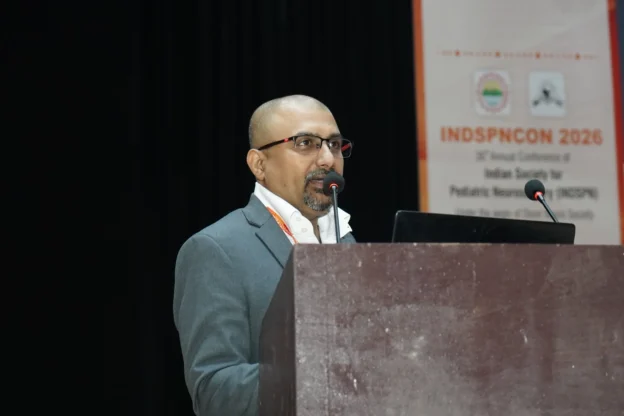
 

Dr Mohana Rao Patibandla speaking at INDSPNCON 2026 about advanced pediatric neurosurgery techniques including minimally invasive brain surgery and neuro-navigation at Dr Rao’s International Institute of Neurosciences

Independent Neurosciences Center in Andhra Pradesh – Dr. Rao’s International Institute of Neurosciences

Building Andhra Pradesh’s Independent Neurosciences Center: Vision, Challenges, and the Future of Advanced Neurological Care


India’s healthcare sector has witnessed tremendous growth over the last two decades. From robotic surgeries to advanced imaging and precision-based interventions, Indian medicine has rapidly evolved into one of the world’s fastest-growing healthcare ecosystems. Yet despite these advancements, access to specialized neurosciences care remains unevenly distributed across the country. 
Most advanced neurological and neurosurgical infrastructure continues to remain concentrated in metropolitan cities such as Delhi, Mumbai, Hyderabad, Chennai, and Bengaluru. For patients living in regional India, accessing advanced brain, spine, and nerve care often still involves long-distance travel, delayed diagnosis, financial hardship, and emotional strain.


A recent Outlook India feature explored this growing challenge and highlighted the efforts of Dr. Mohana Rao Patibandla in developing Andhra Pradesh’s independent neurosciences ecosystem through Dr. Rao’s Hospital – International Institute of Neurosciences in Guntur.


Primary Source: Outlook India – Dr. Mohana Rao Patibandla On Building Andhra Pradesh’s Independent Neurosciences Center


The Need for Advanced Neurosciences Beyond Metro Cities


India’s neurological disease burden is increasing rapidly. Stroke, brain tumors, traumatic brain injuries, epilepsy, spinal disorders, Parkinson’s disease, and neurodegenerative conditions are becoming more common due to:


  • Increased life expectancy
  • Urban lifestyles and stress
  • Road traffic accidents
  • Hypertension and diabetes
  • Improved awareness and diagnostics
  • An aging population


According to the World Health Organization, neurological disorders are among the leading causes of disability and death globally. In India, the challenge is amplified because advanced neuroscience services are not equally accessible across all regions.


External Source: WHO – Neurological Disorders


The Outlook India article emphasized that patients in regional India frequently face long travel distances, delayed treatment, and major financial burdens while seeking neurological care. Outlook India


Why Neurosciences Require Specialized Ecosystems


Unlike many other medical specialties, neurosciences are highly time-sensitive and multidisciplinary. Successful neurological treatment often depends on coordinated systems involving:


  • Advanced neuroimaging
  • Emergency stroke intervention
  • Neurocritical care
  • Operating microscopes
  • Neuronavigation systems
  • Intraoperative neuromonitoring
  • Rehabilitation teams
  • Specialized ICU care


Dedicated neuroscience centers are designed specifically around integrated neurological pathways. This improves precision, efficiency, continuity of care, and long-term patient outcomes.


Stroke care, for example, requires rapid imaging, neurologists, neurosurgeons, catheter-based thrombectomy systems, intensive care specialists, and rehabilitation services — all functioning together within critical time windows.


The Challenge of Building Independent Neuroscience Infrastructure


Building a comprehensive independent neurosciences center outside metropolitan India is an enormous undertaking. The Outlook India feature highlighted that such institutions require:


  • Large-scale investment
  • Advanced technology
  • Highly trained manpower
  • Long-term sustainability planning
  • Academic and research integration
  • Multidisciplinary coordination


Recruiting experienced specialists in regional locations can be difficult. Maintaining sophisticated technologies such as neuro-navigation, hybrid operating rooms, advanced imaging systems, and endovascular equipment requires both expertise and infrastructure.


Public awareness also remains a challenge. Many patients continue to ignore warning signs such as severe headaches, weakness, seizures, speech difficulty, or persistent spinal pain until the condition becomes advanced.


Dr. Mohana Rao Patibandla’s Vision for Regional Neurosciences


The Outlook India report describes Dr. Mohana Rao Patibandla as part of a broader movement transforming advanced neurosciences in regional India.


Through Dr. Rao’s Hospital – International Institute of Neurosciences

,
Dr. Patibandla has focused on building advanced neurological care systems outside traditional metropolitan healthcare corridors.


His international training across multiple subspecialties has contributed to this vision, including:


  • Minimally invasive skull base surgery
  • Pediatric neurosurgery
  • Neuro-oncology
  • Functional neurosurgery
  • Endovascular neurosurgery
  • Cerebrovascular surgery


Outlook India

This multidisciplinary expertise reflects the future direction of neurosciences globally, where integrated neurological systems play a crucial role in patient-centered care.


The Rise of Minimally Invasive Neurosurgery


Modern neurosurgery is rapidly shifting toward minimally invasive approaches. These advanced techniques help reduce:


  • Surgical trauma
  • Blood loss
  • Hospital stay duration
  • Postoperative pain
  • Recovery time


Today’s advanced neurosurgical technologies include:


  • Endoscopic brain surgery
  • Minimally invasive spine surgery
  • Endoscopic skull base surgery
  • Neuronavigation systems
  • Microscopic neurosurgery
  • Robotic assistance


Internal Link: Minimally Invasive Neurosurgery at Dr. Rao’s Hospital


These innovations are helping regional neuroscience centers provide world-class treatment standards closer to patients’ homes.


Artificial Intelligence and the Future of Neurosciences


One of the most important themes highlighted in the Outlook India article is the growing role of artificial intelligence and robotics in modern neurological care.


AI-assisted technologies are increasingly helping doctors with:


  • Early stroke detection
  • Brain tumor analysis
  • Neuroimaging interpretation
  • Surgical planning
  • Predictive analytics
  • Outcome forecasting


Meanwhile, robotic systems and navigation-assisted surgeries are improving surgical precision while reducing complications.


The article notes that these advanced technologies are gradually becoming accessible beyond global metropolitan centers and are being integrated into regional neuroscience institutions in India. Outlook India


Endovascular Neurosurgery and Stroke Revolution


Endovascular neurosurgery has revolutionized the management of stroke and cerebrovascular diseases.


Using catheter-based minimally invasive approaches, specialists can now treat:


  • Brain aneurysms
  • Arteriovenous malformations (AVMs)
  • Acute ischemic stroke
  • Vascular blockages
  • Cerebrovascular disorders


This technology allows faster recovery and reduced surgical morbidity compared to traditional open procedures in selected cases.


Stroke intervention systems are particularly important in India because stroke rates continue to rise significantly.


External Source: American Stroke Association – Stroke Information


Why Research and Education Matter


Advanced neuroscience centers are not just treatment facilities. They also serve as hubs for:


  • Medical education
  • Clinical research
  • Training programs
  • Innovation
  • Community outreach
  • Evidence-based medicine


The Outlook India feature emphasized the importance of academic ecosystems surrounding neurosciences institutions. Outlook India


Research in India is becoming increasingly important in areas such as:


  • Stroke prevention
  • Neuro-oncology
  • Neurotrauma
  • Pediatric neurological disorders
  • Minimally invasive surgery
  • Degenerative spine disease


Regional institutions can contribute valuable clinical data reflecting India’s unique disease patterns and demographics.


The Future of Neurosciences in Regional India


The future of Indian healthcare will depend heavily on decentralization. The traditional model of concentrating advanced care only in metropolitan cities is no longer sustainable.


Patients increasingly expect sophisticated treatment closer to home, and regional neuroscience institutions are beginning to fulfill that expectation.


The Outlook India article highlights that the development of independent neuroscience centers represents a broader transformation in healthcare philosophy — one focused on accessibility, expertise, equity, and patient-centered care. Outlook India


Over the coming decade, India is likely to witness:


  • Expansion of regional neuroscience hubs
  • AI-integrated neurological diagnostics
  • Growth of robotic surgery
  • Advanced tele-neurology systems
  • Improved stroke networks
  • Academic neuroscience collaborations
  • Increased focus on rehabilitation


This transition could dramatically improve neurological healthcare accessibility across the country.


Conclusion


India’s neurological healthcare demands are growing rapidly, and the need for advanced neuroscience ecosystems outside metropolitan cities has become increasingly urgent.


The development of independent neuroscience centers represents more than infrastructure alone. It reflects a larger commitment toward healthcare accessibility, technological advancement, research, education, and equitable treatment for regional populations.


As highlighted in the Outlook India feature, institutions such as Dr. Rao’s Hospital – International Institute of Neurosciences

demonstrate how advanced neurosciences can successfully evolve in regional India when expertise, vision, and patient-centered care converge.


The future of Indian neurosciences may ultimately depend not only on technological advancement but also on how effectively those innovations reach the millions of patients who need them most.


Frequently Asked Questions (FAQ)

1. Why are independent neuroscience centers important?

They improve access to specialized neurological care for patients living outside metropolitan cities.

2. What conditions are treated in advanced neuroscience centers?

Stroke, brain tumors, epilepsy, spinal disorders, neurovascular diseases, neurotrauma, and degenerative neurological conditions.

3. What is endovascular neurosurgery?

A minimally invasive catheter-based treatment used for stroke, aneurysms, and cerebrovascular diseases.

4. How does AI help neurosciences?

Artificial intelligence assists with neuroimaging, diagnostics, surgical planning, and predictive analytics.

5. Why is minimally invasive neurosurgery beneficial?

It reduces surgical trauma, shortens recovery time, and improves patient outcomes.


Internal Links


Call To Action

If you or your loved one is experiencing neurological symptoms such as stroke warning signs, seizures, spinal pain, weakness, severe headaches, or neurological deficits, early expert evaluation is critical.

Dr. Rao’s Hospital – International Institute of Neurosciences
12-19-67, Old Bank Road, Kothapet, Guntur, Andhra Pradesh
Phone: +91 9010056444
Email: info@drraoshospitals.com
Website: https://drraoshospitals.com


Connect With Us


Dr. Mohana Rao Patibandla explaining DTI neuronavigation technology for advanced brain surgery at Dr. Rao’s Hospital in Guntur.

The Rise of Advanced Minimally Invasive Neurosurgery in India | Dr. Rao’s International Institute of Neurosciences

The Rise of Advanced Minimally Invasive Neurosurgery in India


Inspired by the Mid-Day feature article on advanced minimally invasive neurosurgery in India Original Mid-Day Feature Article


Neurosurgery has traditionally been viewed as one of the most complex and demanding fields in medicine. For decades, brain and spine surgeries were associated with large incisions, prolonged hospital stays, extensive recovery periods, and significant postoperative discomfort. However, modern medicine is undergoing a remarkable transformation.


Today, advanced minimally invasive neurosurgery is redefining how neurological and spinal disorders are treated across India. With innovations in endoscopic surgery, neuronavigation systems, intraoperative neuromonitoring, microsurgical techniques, and advanced imaging, many complex procedures can now be performed with greater precision and reduced tissue disruption.


India is rapidly emerging as an important center for advanced neurosciences care, and institutions such as Dr. Rao’s International Institute of Neurosciences in Guntur are contributing to this evolving landscape by integrating modern minimally invasive approaches into comprehensive neurological care.


What Is Minimally Invasive Neurosurgery?


Minimally invasive neurosurgery refers to advanced surgical techniques designed to treat brain, spine, and nerve disorders through smaller incisions and highly precise surgical pathways. Instead of large open exposures, surgeons utilize specialized technologies and instruments that minimize damage to surrounding tissues while maintaining surgical effectiveness.


The primary goals of minimally invasive neurosurgery include:


  • Reducing tissue trauma
  • Improving surgical precision
  • Shortening hospital stays
  • Reducing postoperative pain
  • Enhancing recovery speed
  • Lowering infection risks
  • Improving cosmetic outcomes
  • Preserving neurological function

Importantly, minimally invasive neurosurgery is not simply about smaller incisions. It represents a broader evolution toward precision-based and patient-centered care.


The Evolution of Neurosurgery in India


India’s neurosciences ecosystem has evolved dramatically over the past two decades. Advanced technologies that were once limited to select global centers are increasingly becoming accessible within India.


Modern Indian neurosurgery now incorporates:


  • Endoscopic skull base surgery
  • Endoscopic spine surgery
  • Microneurosurgery
  • Neuronavigation systems
  • Intraoperative neuro-monitoring
  • Advanced neuroimaging
  • Cerebrovascular interventions
  • Minimally invasive spinal stabilization


This transformation is improving patient outcomes while expanding treatment possibilities for many neurological conditions that were previously considered highly complex.


According to the Mid-Day feature article, minimally invasive neurosurgery is emerging as one of the most significant developments in modern neurosciences across India.


Endoscopic Skull Base Surgery: A Revolutionary Advancement


One of the most exciting developments in minimally invasive neurosurgery is endoscopic skull base surgery.


Traditionally, tumors located deep within the skull base often required extensive open surgical approaches involving significant tissue dissection and longer recovery periods. Modern endoscopic techniques now allow surgeons to access certain lesions through minimally invasive pathways using high-definition cameras and specialized instruments.


These advanced approaches may offer:


  • Reduced surgical trauma
  • Improved visualization
  • Enhanced precision
  • Shorter recovery times
  • Reduced hospital stays
  • Lower postoperative discomfort


Endoscopic skull base surgery is increasingly being utilized for:


  • Pituitary tumors
  • Skull base tumors
  • Certain cerebrospinal fluid leaks
  • Selected cranial lesions


At Dr. Rao’s International Institute of Neurosciences, advanced minimally invasive techniques continue to expand treatment possibilities for carefully selected patients.


The Growing Importance of Endoscopic Spine Surgery


Spine disorders are among the most common neurological conditions affecting patients today. Conditions such as slipped discs, spinal stenosis, degenerative spine disease, and nerve compression can severely impact mobility and quality of life.


Conventional spine surgery often required larger incisions and significant muscle dissection. Endoscopic spine surgery is changing this landscape.


Using specialized endoscopic systems, surgeons can perform certain spinal procedures through very small incisions while minimizing disruption to surrounding muscles and tissues.


Benefits for many patients may include:


  • Reduced postoperative pain
  • Earlier mobilization
  • Faster rehabilitation
  • Reduced blood loss
  • Smaller scars
  • Shorter hospitalization


Minimally invasive spine surgery has become increasingly popular among patients seeking safer and faster recovery options whenever clinically appropriate.


Neuronavigation: GPS for the Brain and Spine


One of the most remarkable innovations in modern neurosurgery is neuronavigation technology.


Often compared to a GPS system for the brain and spine, neuronavigation allows surgeons to map complex anatomical structures in real time using integrated imaging systems.


This technology is particularly valuable in:


  • Brain tumor surgery
  • Skull base procedures
  • Complex spinal operations
  • Cerebrovascular surgery
  • Deep-seated lesions


Millimeter-level accuracy is critical in neurosurgery. Neuronavigation significantly enhances surgical planning and precision while helping surgeons preserve vital neurological structures.


Advanced navigation-guided surgery represents one of the most important pillars of modern precision neurosurgery.


The Role of Intraoperative Neuro-Monitoring


Intraoperative neuro-monitoring is another major advancement improving surgical safety.


During complex neurological procedures, neuro-monitoring systems assess nerve and spinal cord function in real time. This allows surgical teams to monitor critical neurological pathways throughout surgery.


The advantages may include:


  • Improved surgical safety
  • Reduced risk of neurological injury
  • Better functional preservation
  • Enhanced surgical confidence


Neuro-monitoring is particularly valuable in:


  • Complex spine surgery
  • Brain tumor surgery
  • Skull base surgery
  • Cerebrovascular procedures
  • Pediatric neurosurgery


These technologies are helping modern neurosurgery become safer and more precise than ever before.


Microneurosurgery and Precision-Based Care


Microneurosurgery remains central to advanced neurosurgical care.


High-powered operating microscopes allow surgeons to work with extraordinary precision around delicate:


  • Blood vessels
  • Brain tissue
  • Cranial nerves
  • Spinal nerves


Combined with minimally invasive techniques and advanced imaging, microneurosurgery has dramatically expanded treatment possibilities for many neurological disorders.


The integration of:

  • Microscopes
  • Endoscopy
  • Neuronavigation
  • Advanced imaging
  • Neuro-monitoring


has created a new era of highly sophisticated precision neurosurgery.


Why Patients Prefer Minimally Invasive Approaches


Modern patients are increasingly informed about treatment options and recovery expectations.


Whenever medically appropriate, many patients now prefer minimally invasive procedures because they may offer:


  • Less pain
  • Reduced scarring
  • Shorter hospital stays
  • Faster return to work
  • Earlier rehabilitation
  • Lower complication risks


This shift is influencing how neuroscience centers across India approach patient-centered care.


However, experts emphasize that not every patient is suitable for minimally invasive surgery. Surgical decisions must always prioritize patient safety, disease characteristics, and long-term outcomes rather than technology alone.


The Importance of Ethical Patient Selection


While technology continues to evolve rapidly, experienced neurosurgeons consistently emphasize one important principle:


Technology should never replace clinical judgment.


Certain conditions may still require conventional open surgery depending on:


  • Tumor complexity
  • Trauma severity
  • Spinal deformity
  • Vascular anatomy
  • Patient-specific risk factors


Ethical neurosurgical care involves selecting the safest and most effective approach for each individual patient.


At Dr. Rao’s International Institute of Neurosciences, the philosophy continues to emphasize combining advanced technology with individualized, patient-centered treatment planning.


The Future of Neurosurgery in India


India’s neurosciences landscape is entering a highly exciting phase.


Future technologies expected to further transform neurosurgery include:


  • Artificial intelligence-assisted imaging
  • Robotic surgical systems
  • Augmented reality visualization
  • Advanced intraoperative imaging
  • Enhanced neuro-navigation systems
  • Precision-guided robotic spine surgery


As infrastructure and expertise continue expanding across India, advanced minimally invasive neurosurgery may become increasingly accessible in both metropolitan and regional healthcare systems.


Importantly, globally trained specialists are now helping bring advanced neurosciences care to Tier-2 cities like Guntur, making sophisticated treatment more accessible to regional populations.


Dr. Mohana Rao Patibandla and Advanced Neurosciences Care


According to the Mid-Day feature article, Dr. Mohana Rao Patibandla has been part of the broader movement toward integrating advanced minimally invasive techniques into regional neurosciences practice in India.


With international fellowship training across subspecialties including:


  • Minimally invasive skull base surgery
  • Pediatric neurosurgery
  • Neuro-oncology
  • Cerebrovascular surgery
  • Endovascular neurosurgery

Dr. Patibandla has consistently emphasized the importance of combining:


  • Modern technology
  • Ethical medicine
  • Precision surgery
  • Compassionate care
  • Patient-centered decision-making

This vision continues to help shape the development of advanced neurosciences services in Andhra Pradesh and regional India.


Conclusion


Minimally invasive neurosurgery represents one of the most important transformations in modern neurosciences.


By reducing tissue trauma and improving surgical precision, these advanced techniques are helping many patients experience:


  • Safer procedures
  • Faster recovery
  • Reduced pain
  • Shorter hospitalization
  • Earlier return to daily life

India is rapidly emerging as an important center for advanced neurosciences innovation. As technology, infrastructure, and expertise continue to evolve, the future of brain and spine care is becoming increasingly precise, patient-centered, and minimally invasive.


Institutions like Dr. Rao’s International Institute of Neurosciences demonstrate how world-class neurosciences care can successfully expand beyond metropolitan boundaries while maintaining high standards of ethics, innovation, and compassionate treatment.


Internal Links

External References


Contact Dr. Rao’s International Institute of Neurosciences

The Best Neurosurgeon in Guntur | The Best Neurologist in Guntur | The Best Spine Surgeon in Guntur

If you or your loved one is suffering from brain tumors, spinal disorders, stroke, nerve compression, or neurological conditions, early diagnosis and advanced treatment can significantly improve outcomes.

📍 Dr. Rao’s International Institute of Neurosciences
12-19-67, Old Bank Road, Kothapet,
Opposite Sravani Hospital,
Guntur, Andhra Pradesh – 522001

📞 Phone: +91 90100 56444
📧 Email: info@drraoshospitals.com
🌐 Website: https://drraoshospitals.com


Follow Dr. Mohana Rao Patibandla

📘 Facebook: Facebook
📸 Instagram: Instagram
📺 YouTube: YouTube
💼 LinkedIn: LinkedIn
🐦 X (Twitter): X / Twitter
📍 Google Maps: Location Map

Dr. Mohana Rao Patibandla featured on the cover of The Enterprise World as “The Best Neurosurgeon to Watch in India 2025.”

Dr. Mohana Rao Patibandla – The Best Neurosurgeon in India 2025 – The Enterprise World


Dr. Mohana Rao Patibandla Featured as “The Best Neurosurgeon to Watch in India 2025” by The Enterprise World

Guntur, Andhra Pradesh – December 2025: The Enterprise World, a leading global business and leadership magazine, has proudly featured Dr. Mohana Rao Patibandla, Founder and Chief Neurosurgeon of Dr. Rao’s Hospital, Guntur, as “The Best Neurosurgeon to Watch in India 2025.” The feature titled “Healing with Heart: Mission to Restore Hope” celebrates Dr. Rao’s visionary contributions to modern neurosurgery, his compassionate approach to healing, and his pioneering role in transforming brain and spine care in India.

“Healing with Heart” — Dr. Mohana Rao Patibandla’s inspiring cover story in The Enterprise World, highlighting his mission to restore hope through neurosurgery.

“Healing with Heart” — Dr. Mohana Rao Patibandla’s inspiring cover story in The Enterprise World, highlighting his mission to restore hope through neurosurgery.

Read full story at The Enterprise world


From Guntur to Global Recognition

Few journeys in medicine inspire as much admiration as that of Dr. Mohana Rao Patibandla. Born and raised in Andhra Pradesh, Dr. Rao’s dedication to learning and innovation has placed him among the best neurosurgeons in India today. His rise from a small-town medical graduate to an internationally trained neurosurgeon is a testament to his unwavering commitment to excellence.

After completing his MBBS from Andhra Medical College, Visakhapatnam and M.Ch. in Neurosurgery from Nizam’s Institute of Medical Sciences, Hyderabad, Dr. Rao trained across the United States in multiple advanced fellowships. His global training included Minimally Invasive Skull Base Surgery, Pediatric Neurosurgery, Functional Neurosurgery, Endovascular and Stereotactic Radiosurgery — making him one of the most comprehensively trained neurosurgeons in the country.

But what truly sets Dr. Rao apart is his decision to return to India. Instead of pursuing fame in international centers, he brought world-class neurosurgery back home — founding Dr. Rao’s Hospital in Guntur with the vision of making advanced neurological and spine care accessible to every Indian.

Certificate of recognition presented to Dr. Mohana Rao Patibandla by The Enterprise World as “The Best Neurosurgeon to Watch in India 2025.”

Certificate of recognition presented to Dr. Mohana Rao Patibandla by The Enterprise World as “The Best Neurosurgeon to Watch in India 2025.”

Read about Dr. Mohana Rao Patibandla on The Enterprise World 


Dr. Rao’s Hospital: Where Compassion Meets Innovation

Established in 2019, Dr. Rao’s Hospital is India’s first independent, dedicated neuroscience center offering advanced brain, spine, and nerve treatments under one roof. Under Dr. Rao’s leadership, it has evolved into a national hub for excellence — combining cutting-edge technology with patient-centered care.

The hospital features world-class infrastructure including Hybrid Cath Labs, 3D Neuronavigation Systems, Intraoperative Neurophysiological Monitoring (IONM), Stereotactic Radiosurgery, and Endoscopic Skull Base Surgery. Every innovation is driven by one goal — to minimize surgical risk and maximize patient recovery.

Dr. Rao has successfully performed over 15,000 complex neurosurgical procedures, including more than 12,000 minimally invasive brain and spine surgeries. Patients from over 15 countries have found hope at Dr. Rao’s Hospital, making it one of India’s most trusted destinations for those seeking the best neurologist in Guntur and the best spine surgeon in Guntur.


“Healing with Heart” — The Philosophy Behind the Practice

Dr. Mohana Rao’s approach to medicine goes far beyond surgical precision. His philosophy — “Technology saves lives, but compassion heals them” — defines the culture at Dr. Rao’s Hospital. Every patient is treated with empathy, transparency, and respect, reflecting his belief that true healthcare must care for both the body and the soul.

In the Enterprise World cover story, Dr. Rao’s life and mission are beautifully captured. The feature highlights how his blend of scientific excellence and human empathy is reshaping the future of neurosurgery in India.

“My journey was never about building a hospital; it was about bringing healing home and making world-class neurosurgery accessible to everyone.” – Dr. Mohana Rao Patibandla


A Legacy of Excellence and Leadership

Dr. Rao’s contributions have been recognized with multiple prestigious honors, including:

  • 🏅 Best Minimally Invasive Neurosurgeon and Spine Surgeon of the Year – Dr. A.P.J. Abdul Kalam Inspiration Awards 2025
  • 🏅 Economic Times Business & Health Excellence Awards 2025
  • 🏅 Sardar Vallabhbhai Patel Unity Award 2025
  • 🏅 Asia’s Most Trusted Neurosurgeon (2023)
  • 🏅 Health Icon of the Year (2021)

Beyond awards, Dr. Rao is a passionate academician with 70+ international publications and 1,200+ research citations, reflecting his deep commitment to scientific advancement. His TEDx Talk, “My Journey to Bring Healing Home – A Neurosurgeon’s Quest in Guntur”, continues to inspire countless young doctors and healthcare leaders worldwide.


Transforming Spine and Brain Surgery in India

Dr. Rao’s expertise spans a wide range of neurological and spinal procedures — from brain tumor resections and aneurysm repairs to complex spinal deformity corrections. He is a pioneer in endoscopic and minimally invasive neurosurgery techniques that drastically reduce recovery time and post-operative pain.

As one of the best spine surgeons in India, Dr. Rao has made significant contributions to neuro-oncology, neurovascular surgery, and functional neurosurgery. His advanced use of intraoperative monitoring and neuronavigation has set new safety benchmarks in Indian neurosurgery.


Building the Future of Neuroscience

Looking ahead, Dr. Rao envisions expanding his impact beyond clinical practice. His next milestone is the establishment of the Dr. Rao Institute of Neurosciences — a center dedicated to research, robotic neurosurgery, artificial intelligence, and advanced training for young neurosurgeons. The institute will foster collaboration between medicine, technology, and ethics to shape the next era of compassionate innovation.

In a world moving rapidly toward automation, Dr. Rao continues to emphasize the human side of medicine — ensuring that empathy remains the foundation of every technological breakthrough.


A True Inspiration in Medicine

From restoring hope to patients facing life-threatening conditions to mentoring the next generation of neurosurgeons, Dr. Mohana Rao Patibandla stands as a symbol of excellence, compassion, and purpose. His recognition as “The Best Neurosurgeon to Watch in India 2025” is not just an award — it is a reflection of his life’s mission to heal with heart and lead with integrity.

Through Dr. Rao’s leadership, Dr. Rao’s Hospital has emerged as a world-class destination for patients seeking expert neurological, neurosurgical, and spine care. For those searching for the best neurosurgeon in Guntur or the best spine surgeon in India, his name stands synonymous with trust and transformation.


Visit Dr. Rao’s Hospital

Dr. Rao’s Hospital is located at 12-19-67, Old Bank Road, Kothapet, Opposite Sravani Hospital, Guntur, Andhra Pradesh.

📞 Phone: +91 90100 56444
📧 Email: info@drraoshospitals.com | drpatibandla@gmail.com
🌐 Website: https://drraoshospitals.com

Follow Dr. Mohana Rao Patibandla on social media:
🔹 YouTube |
🔹 Facebook |
🔹 Instagram |
🔹 LinkedIn |
🔹 X (Twitter)


“Healing with Heart” — Dr. Mohana Rao Patibandla’s story reminds us that in the hands of a compassionate healer, science becomes service, and surgery becomes hope.

Touching Lives Beyond the Operating Room

While Dr. Mohana Rao Patibandla’s surgical precision has transformed thousands of lives, his true legacy lies in his compassion. His philosophy of “healing with heart” extends far beyond hospital walls. Through free medical camps, neuro-awareness drives, and rural outreach programs, Dr. Rao and his team have taken advanced healthcare to underserved communities across Andhra Pradesh.

From educating families about stroke prevention and spine health to raising awareness about epilepsy, brain tumors, and neurotrauma care, Dr. Rao’s initiatives continue to bridge the gap between rural and urban medicine. His belief is simple yet profound — “Every life deserves access to expert care, no matter where it begins.”


Championing Ethical and Patient-Centric Neurosurgery

As the best neurosurgeon in India, Dr. Rao’s reputation is not only built on surgical mastery but also on his uncompromising commitment to medical ethics. Each decision in his practice is guided by transparency, informed consent, and the patient’s overall well-being.

At Dr. Rao’s Hospital, patients and their families are active participants in every stage of the healing process. Treatment options are explained with clarity and compassion, ensuring that no one feels lost in the complexity of medical jargon. This approach has earned the hospital one of the highest patient satisfaction rates in India, with testimonials from across the world praising its empathy-driven environment.


Advancing Neurosurgical Research and Innovation

Dr. Rao’s scientific curiosity and drive for continuous improvement have made him a recognized academic figure internationally. His ongoing research in AI-assisted surgical planning, robotic neurosurgery, and neuro-navigation technologies aims to redefine how brain and spine surgeries are performed in India.

Under his mentorship, the hospital’s research division collaborates with leading universities to explore new frontiers in minimally invasive neurosurgery and patient rehabilitation. His 70+ international research papers and collaborations continue to influence global standards in neurosurgical practice and education.


Leadership That Inspires a Generation

Inside the operating room, Dr. Rao is known as a perfectionist. Outside of it, he is a teacher, mentor, and visionary leader. Young neurosurgeons and residents at Dr. Rao’s Hospital receive hands-on training through structured fellowship programs designed to cultivate both technical skill and ethical responsibility.

Through regular clinical symposiums, live workshops, and neurosurgical skill-building sessions, Dr. Rao ensures that his institution continues to be a learning hub for aspiring surgeons. His mentorship mantra — “Master your skill, nurture your mind, and protect your compassion” — has inspired many to adopt medicine as a mission rather than a mere profession.


International Recognition and Global Collaborations

Dr. Rao’s expertise is now sought after beyond India’s borders. His work has been presented at numerous international conferences, and he frequently collaborates with top neurosurgical institutions across the U.S., Europe, and Asia. He has performed live demonstrations and keynote lectures on minimally invasive brain surgery and endoscopic skull base approaches that have drawn global attention.

As one of the best spine surgeons in India, Dr. Rao continues to represent the country on the world stage, demonstrating that Indian neurosurgery can match — and often surpass — global standards when driven by dedication and innovation.


Technology with a Human Touch

At Dr. Rao’s Hospital, technology is not used to replace empathy but to enhance it. The use of real-time intraoperative imaging, intraoperative CT scans, and neuronavigation allows for precision-driven results with minimal trauma to the patient. But even with the most advanced tools, Dr. Rao’s focus remains on the individual — understanding their fears, guiding them through uncertainty, and walking beside them through recovery.

This delicate balance of science and soul defines the essence of his success as the best neurologist and neurosurgeon in Guntur. His ability to see patients not as cases but as stories of resilience continues to inspire trust and gratitude among families nationwide.


Shaping the Future of Neuroscience in India

Looking toward the future, Dr. Rao envisions the establishment of the Dr. Rao Institute of Neurosciences — a multidisciplinary center that will integrate education, clinical practice, and research. The institute aims to train the next generation of neurosurgeons while driving innovations in robotic-assisted surgeries, neurorehabilitation, and artificial intelligence.

Through this initiative, Dr. Rao hopes to make India a global hub for neurological excellence — where cutting-edge science meets compassionate healthcare. His mission remains clear: to ensure that no patient must travel abroad for treatment when the best neurological care is available in their own country.


Patient Stories That Inspire

Behind every statistic lies a story of courage. Patients treated at Dr. Rao’s Hospital often describe their experience as “life-changing.” From individuals who regained mobility after spinal injuries to children recovering from complex brain surgeries, every story echoes the same sentiment — gratitude for a surgeon who listens, heals, and gives hope.

These testimonials reflect why Dr. Mohana Rao Patibandla continues to be celebrated as the best neurosurgeon in India — not only for his medical brilliance but for his genuine humanity.


Words That Define His Journey

“My purpose has always been clear — to merge the heart of a healer with the hands of a surgeon. Every patient I meet reminds me why I chose this path.”
Dr. Mohana Rao Patibandla

His journey is not one of ambition alone but of compassion, courage, and conviction. From his hometown of Guntur to the global stage, Dr. Rao’s work continues to inspire hope — not just in patients but in the future of healthcare itself.


Conclusion: A Legacy of Hope and Healing

As *The Enterprise World* celebrates Dr. Mohana Rao Patibandla as “The Best Neurosurgeon to Watch in India 2025”, it marks not an endpoint but a milestone in a journey defined by service. Through relentless dedication, pioneering techniques, and heartfelt compassion, Dr. Rao has built more than a hospital — he has built a movement of healing.

For patients searching for the best neurosurgeon in Guntur, the best spine surgeon in Guntur, or the best neurologist in Andhra Pradesh, Dr. Rao’s Hospital stands as a symbol of trust, excellence, and hope.


Visit Dr. Rao’s Hospital

Address: 12-19-67, Old Bank Road, Kothapet, Opposite Sravani Hospital, Guntur, Andhra Pradesh
Phone: +91 90100 56444
Email: info@drraoshospitals.com | drpatibandla@gmail.com
Website: https://drraoshospitals.com

Follow Dr. Mohana Rao Patibandla for insights, awareness updates, and surgical innovations:
🔹 YouTube |
🔹 Facebook |
🔹 Instagram |
🔹 LinkedIn |
🔹 X (Twitter)


Dr. Mohana Rao Patibandla’s journey continues — blending science, compassion, and vision to define the future of neurosurgery in India and beyond.

advanced neurosurgical treatments at Dr. Rao’s Hospital

expert neurological care by the best neurologist in Guntur

minimally invasive spine surgery at Dr. Rao’s Hospital

pioneering endoscopic skull base surgery in India

comprehensive brain tumor treatment in Guntur

expert care for brain aneurysms and vascular disorders

advanced epilepsy surgery with precision technology

latest minimally invasive spine procedures in Andhra Pradesh

cutting-edge endovascular neurosurgical care

functional and stereotactic neurosurgery led by Dr. Mohana Rao Patibandla

learn more about Dr. Mohana Rao Patibandla’s journey

discover why Dr. Rao’s Hospital is India’s best neurocare center

raising awareness about brain tumor prevention and treatment

importance of spinal health and early diagnosis

learn about epilepsy management and treatment options

book your consultation with the best neurosurgeon in Guntur