Tag Archives: stroke warning signs

Neurological symptoms

Neurological Warning Signs Often Ignored – Dr. Rao’s International Institute of Neurosciences


Neurological Warning Signs Often Ignored in India: Why Early Diagnosis Can Save Lives


Neurological disorders are steadily becoming one of the most significant healthcare challenges across India. Conditions affecting the brain, spine, nerves, and neurological system often begin with subtle warning signs that many people mistakenly ignore, underestimate, or dismiss as routine health issues.


Recurring headaches, sudden weakness, memory disturbances, dizziness, seizures, balance problems, and speech difficulties are frequently assumed to result from stress, exhaustion, sleep deprivation, or aging. However, specialists increasingly warn that some of these symptoms may indicate serious underlying neurological disorders requiring immediate medical attention.


A recent OneIndia feature discussed how delayed diagnosis continues to remain one of the biggest challenges in neurological healthcare across India and emphasized the importance of recognizing early warning signs before severe complications develop.


Primary Source: OneIndia – Dr. Mohana Rao Patibandla on the Neurological Symptoms Often Missed in India


The Growing Burden of Neurological Disorders in India


Neurological disorders are increasing globally, and India is no exception. Rising life expectancy, sedentary lifestyles, stress, hypertension, diabetes, obesity, road traffic accidents, and changing work patterns are all contributing to a growing neurological disease burden.


According to the OneIndia article, conditions such as stroke, brain tumors, epilepsy, neurodegenerative diseases, spinal disorders, and cerebrovascular diseases are becoming increasingly common across India.


Neurological diseases often affect critical functions including:


  • Movement
  • Speech
  • Memory
  • Vision
  • Balance
  • Cognition
  • Sensation


Unfortunately, delayed diagnosis remains a major challenge because many neurological symptoms initially appear mild or intermittent.


WHO – Neurological Disorders


Headaches: Common but Sometimes Serious


Headaches are among the most common health complaints in India. Most headaches are harmless and related to stress, fatigue, dehydration, sleep deprivation, or migraine disorders.


However, neurologists emphasize that certain headache patterns should never be ignored.


The OneIndia article specifically highlights warning signs including:


  • Persistent headaches
  • Severe sudden headaches
  • Headaches with vomiting
  • Headaches associated with weakness
  • Headaches with vision disturbances
  • Headaches accompanied by seizures


These symptoms may occasionally indicate:


  • Brain tumors
  • Stroke
  • Brain hemorrhage
  • Intracranial pressure elevation
  • Neurological infections


While not every headache is dangerous, persistent or progressive neurological symptoms should always be evaluated carefully.


Seizures Are Frequently Misunderstood


The article also highlights how seizures continue to be misunderstood or stigmatized in many communities.


Some seizures may appear dramatic, while others are subtle and brief. Symptoms can include:


  • Sudden loss of awareness
  • Body jerking
  • Blank staring episodes
  • Confusion
  • Sudden falls
  • Unusual repetitive movements


Delayed evaluation of seizures may result in:


  • Increased injury risk
  • Reduced quality of life
  • Cognitive problems
  • Progression of underlying neurological disease


Modern neurological evaluation helps identify causes ranging from epilepsy and metabolic disorders to tumors and vascular abnormalities.


Stroke Symptoms Should Never Be Ignored


Stroke remains one of the leading causes of disability and death worldwide.


The OneIndia article strongly emphasizes the importance of recognizing early stroke symptoms because rapid treatment significantly improves outcomes.


Major warning signs include:


  • Sudden facial drooping
  • Weakness in the arms or legs
  • Speech difficulty
  • Confusion
  • Vision loss
  • Loss of balance


Doctors often describe stroke management using the phrase:


“Time is brain.”


Every minute during untreated stroke may result in the loss of millions of brain cells.


American Stroke Association – Stroke Symptoms


Memory Changes and Behavioral Symptoms


Memory disturbances and personality changes are often overlooked in the early stages of neurological disease.


The article explains that many families initially assume symptoms such as forgetfulness, confusion, irritability, or reduced concentration are simply related to stress or aging.


However, persistent memory or behavioral changes may indicate:


  • Neurodegenerative diseases
  • Brain tumors
  • Vascular disorders
  • Metabolic disorders
  • Neurological conditions affecting cognition


Early neurological consultation may help identify reversible causes and improve long-term outcomes.


Vision Changes May Be Neurological Warning Signs


Vision disturbances are another commonly ignored neurological symptom.


The OneIndia feature mentions warning signs such as:


  • Blurred vision
  • Double vision
  • Sudden vision loss
  • Persistent visual disturbances


These symptoms may occasionally indicate:


  • Stroke
  • Brain tumors
  • Optic nerve disorders
  • Neurological diseases affecting visual pathways


Some visual symptoms may represent the earliest warning signs of major neurological conditions.


Pediatric Neurological Symptoms Need Attention


Children can also develop neurological disorders requiring early evaluation.


The article emphasizes symptoms such as:


  • Developmental delays
  • Seizures
  • Abnormal head growth
  • Weakness
  • Behavioral changes
  • School performance decline


Early pediatric neurological assessment can significantly improve long-term developmental outcomes.


Timely intervention often allows:


  • Earlier rehabilitation
  • Better developmental support
  • Improved neurological outcomes
  • Reduced disability


The Problem of Delayed Diagnosis


One of the strongest messages throughout the OneIndia article is the danger of delaying neurological evaluation.


Many patients:

  • Self-medicate
  • Ignore symptoms
  • Delay specialist consultation
  • Assume symptoms are temporary


Unfortunately, delayed diagnosis may allow neurological conditions to progress significantly before treatment begins.


In neurosciences, timing frequently changes outcomes dramatically.


Early diagnosis can:


  • Improve survival
  • Reduce disability
  • Allow less invasive treatments
  • Improve rehabilitation
  • Enhance quality of life


Advanced Neurosciences and Modern Technology


Medical technology has transformed neurological care significantly over the last decade.


According to the article, advancements including:


  • Advanced MRI imaging
  • AI-assisted diagnostics
  • Endovascular stroke intervention
  • Minimally invasive neurosurgery
  • Neuronavigation systems


are helping improve diagnosis and treatment outcomes.


Modern technologies allow:


  • Earlier diagnosis
  • Precision treatment
  • Improved surgical planning
  • Better recovery outcomes


Minimally Invasive Neurosurgery at Dr. Rao’s Hospital


Public Awareness Can Save Lives


The article repeatedly emphasizes the importance of public awareness in neurological healthcare.


Recognizing symptoms early and seeking timely medical evaluation can significantly improve outcomes in many neurological disorders.


Public education remains essential because neurological conditions are often:


  • Misunderstood
  • Ignored
  • Stigmatized
  • Diagnosed late


In many cases, patients seek treatment only after symptoms become severe enough to interfere with daily functioning.


Earlier consultation may completely alter the course of treatment and recovery.


Regional Neurosciences Development in India


The OneIndia article also references the growing importance of advanced neuroscience centers outside major metropolitan cities.


Dr. Mohana Rao Patibandla’s work through Dr. Rao’s Hospital – International Institute of Neurosciences

represents part of a broader movement toward improving advanced neurological care accessibility within regional India.


Regional neuroscience systems help:


  • Reduce travel burden
  • Improve emergency access
  • Allow faster diagnosis
  • Enhance rehabilitation continuity


This decentralization may play a major role in improving neurological healthcare accessibility across India over the coming decade.


Conclusion


Neurological disorders often begin with warning signs that appear subtle, intermittent, or easy to dismiss.


Persistent headaches, seizures, weakness, memory changes, speech problems, balance issues, visual disturbances, and behavioral changes should never be casually ignored.


The OneIndia feature highlights a critical healthcare reality: delayed diagnosis remains one of the biggest barriers to successful neurological treatment in India.


Recognizing symptoms early and seeking timely neurological evaluation can dramatically improve outcomes, reduce disability, and potentially save lives.


In neurosciences, paying attention to the body’s warning signs may sometimes make all the difference.


Frequently Asked Questions (FAQ)

1. What neurological symptoms require urgent evaluation?

Persistent headaches, seizures, weakness, speech problems, memory changes, sudden vision loss, and balance disturbances require medical attention.


2. Are all headaches dangerous?

No. Most headaches are harmless, but persistent headaches associated with neurological symptoms should be evaluated carefully.


3. Why is early diagnosis important in neurological disorders?

Early diagnosis improves treatment success and may prevent permanent neurological damage.


4. What are common warning signs of stroke?

Facial drooping, weakness, speech difficulty, confusion, and sudden balance problems are major stroke warning signs.


5. Can children develop neurological disorders?

Yes. Developmental delays, seizures, behavioral changes, and weakness in children may indicate neurological conditions requiring early evaluation.


Internal Links


Call To Action

If you or your loved one is experiencing persistent headaches, seizures, weakness, speech difficulty, balance problems, memory changes, or neurological symptoms, early expert evaluation is essential.


Dr. Rao’s Hospital – International Institute of Neurosciences
12-19-67, Old Bank Road, Kothapet, Besides AK Biryani Point, Guntur, Andhra Pradesh

Phone: +91 9010056444

Email: info@drraoshospitals.com

Website: https://drraoshospitals.com/


Connect With Us

“`
the-best-tension-headache-treatment-is-at-dr-raos-hospital

Why Recurrent Headaches Should Never Be Ignored | Dr. Mohana Rao Patibandla


Why Recurrent Headaches Should Never Be Ignored


Headaches are among the most common health complaints worldwide. While occasional headaches are often linked to stress, dehydration, sleep disturbances, or fatigue, doctors increasingly advise families not to ignore recurrent headaches, especially when symptoms become persistent, progressive, or associated with neurological symptoms.


According to specialists at Dr. Rao’s International Institute of Neurosciences (Dr. Rao’s Hospital), increasing public health awareness regarding headache warning signs and brain health may help patients seek timely evaluation before symptoms worsen.


Recent medical awareness discussions have emphasized that although many headaches are manageable and non-life-threatening, some persistent headache patterns may occasionally indicate underlying neurological conditions requiring medical attention.


Understanding Recurrent Headaches


Recurrent headaches refer to headaches that repeatedly occur over weeks, months, or years. These headaches may vary in intensity, frequency, and associated symptoms.


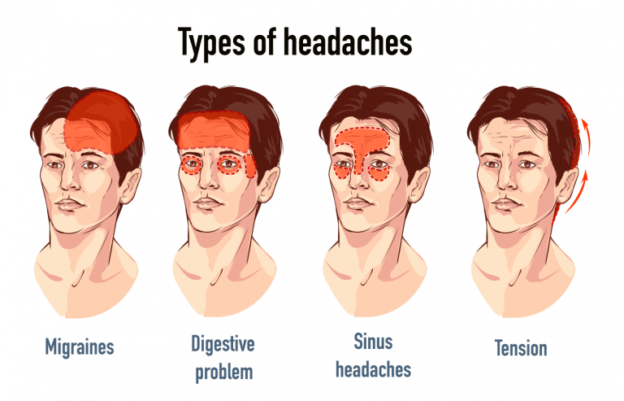
Common Types of Recurrent Headaches


  • Migraine headaches
  • Tension headaches
  • Cluster headaches
  • Cervicogenic headaches
  • Sinus-related headaches
  • Secondary headaches associated with neurological disorders


Doctors say migraine awareness remains important because migraines are often misunderstood as routine headaches. In reality, migraines are neurological conditions that may significantly affect emotional health, work productivity, sleep, and daily quality of life.


When Headaches May Require Medical Evaluation


Healthcare professionals explain that not every headache indicates a dangerous condition. However, certain headache warning signs should not be repeatedly ignored.


Important Neurological Symptoms Families Should Watch For


  • Sudden severe headaches
  • Headaches associated with vomiting
  • Speech difficulty
  • Weakness or numbness
  • Vision disturbances
  • Headaches waking patients from sleep
  • Confusion or personality changes
  • Seizures
  • Balance problems while walking


According to medical experts, these neurological symptoms do not automatically indicate severe disease, but they should encourage timely medical consultation rather than prolonged self-medication.


Common Causes of Recurrent Headaches


Several factors may contribute to recurrent headaches and migraine symptoms.


Lifestyle-Related Triggers


  • Stress and anxiety
  • Sleep deprivation
  • Excessive screen exposure
  • Dehydration
  • Irregular meals
  • Poor posture
  • Hormonal changes
  • High blood pressure


Neurological Conditions That May Occasionally Cause Headaches


  • Migraine disorders
  • Brain tumors
  • Hydrocephalus
  • Neurovascular conditions
  • Intracranial bleeding
  • Spine-related disorders
  • Infections affecting the brain


Doctors advise patients to avoid unnecessary panic because most headaches are treatable and manageable. However, persistent symptoms should not be continuously neglected.


The Importance of Brain Health Awareness


Public health awareness regarding brain health has become increasingly important as modern lifestyles continue affecting neurological wellness across different age groups.


How Lifestyle Habits Affect Brain Health


Experts emphasize that brain health is closely connected with everyday lifestyle habits.


Healthy Lifestyle Practices That May Reduce Headache Frequency


  • Adequate sleep
  • Regular hydration
  • Balanced nutrition
  • Physical activity
  • Stress reduction
  • Blood pressure management
  • Reduced screen time
  • Avoiding smoking and excessive alcohol intake

Read more about brain health and neurological wellness from the
World Health Organization.


Headaches in Children Should Not Be Ignored


Doctors at Dr. Rao’s International Institute of Neurosciences (Dr. Rao’s Hospital) also emphasize that recurrent headaches in children and adolescents deserve careful attention.


Symptoms Parents Should Watch For


  • Repeated headaches
  • Nausea or vomiting
  • Behavioral changes
  • Poor concentration
  • Visual discomfort
  • Sleep disturbances
  • Changes in school performance


Early pediatric neurological evaluation may help identify underlying causes and provide reassurance to families.


Why Self-Medication Can Be Risky


Healthcare specialists caution against excessive unsupervised use of pain medications for recurrent headaches.


Long-term self-medication may:


  • Delay proper diagnosis
  • Worsen headache frequency
  • Cause medication-overuse headaches
  • Mask important neurological symptoms


Doctors Recommend Maintaining a Headache Diary


Tracking headache patterns may help healthcare professionals understand triggers and recommend individualized treatment approaches.


  • Frequency
  • Severity
  • Duration
  • Sleep patterns
  • Dietary habits
  • Associated symptoms
  • Medication use


When to Seek Emergency Medical Attention


Doctors emphasize that certain symptoms require immediate emergency evaluation.


Emergency Warning Signs Include


  • Sudden collapse
  • Seizures
  • Stroke-like symptoms
  • Sudden vision loss
  • Persistent vomiting
  • Severe confusion
  • Head injury associated with headache


Learn more about stroke warning signs from the American Stroke Association.


Modern Neurology Care and Early Diagnosis


Advances in neurology care India have improved early diagnosis and management of neurological disorders through:


  • MRI imaging
  • CT scans
  • Neurological examinations
  • Advanced neurovascular imaging
  • Minimally invasive neurosurgery


Importantly, specialists emphasize that neurological evaluation does not automatically mean surgery. Many patients improve through lifestyle modification, migraine management, physiotherapy, medication adjustment, and preventive care.


Supporting Public Health Awareness About Neurological Symptoms


Doctors say one of the most important goals of public health awareness is helping families understand that neurological symptoms should not carry fear or stigma.


Encouraging timely evaluation, open conversations, and preventive neurological care may improve long-term brain health outcomes across communities.


Learn More About Neurology and Neurosurgery Care


Conclusion


Most recurrent headaches are manageable and treatable. However, persistent headaches associated with neurological symptoms deserve timely medical attention and professional evaluation.


Recognizing headache warning signs early, improving migraine awareness, maintaining healthy lifestyle practices, and seeking reliable medical guidance can help support better brain health and quality of life.


Contact Information

Dr. Rao’s International Institute of Neurosciences (Dr. Rao’s Hospital)

12-19-67, Old Bank Road, Kothapet, Besides AK biryani point,
Guntur, Andhra Pradesh, India

📞 +91 9010056444

📧 info@drraoshospitals.com

🌐

Home 2


Follow Dr. Mohana Rao Patibandla

📘 Facebook:
Facebook

📸 Instagram:
Instagram

📺 YouTube:
YouTube

💼 LinkedIn:
LinkedIn

🐦 X (Twitter):
X

Frequently Asked Questions About Recurrent Headaches


1. When should recurrent headaches become a medical concern?

Recurrent headaches should be medically evaluated if they become frequent, progressively severe, associated with vomiting, weakness, speech difficulty, seizures, balance problems, or visual disturbances. Persistent neurological symptoms should not be ignored.


2. What are the warning signs of serious headaches?

Headache warning signs may include sudden severe headache, headaches waking patients from sleep, vomiting, confusion, numbness, seizures, sudden vision changes, or stroke-like symptoms. These symptoms may require urgent neurological evaluation.


3. Can migraines affect brain health?

Migraines are neurological conditions that can significantly affect quality of life, emotional health, sleep, concentration, and productivity. Early migraine awareness and medical management may help reduce symptoms and improve daily functioning.


4. What causes recurrent headaches?

Common causes of recurrent headaches include stress, dehydration, poor sleep, excessive screen exposure, anxiety, migraine disorders, high blood pressure, hormonal changes, and certain neurological conditions.


5. Are recurrent headaches common in children?

Yes. Children and adolescents may experience recurrent headaches due to migraines, stress, sleep disturbances, vision problems, or neurological conditions. Parents should seek medical advice if headaches become severe, frequent, or associated with vomiting or behavioral changes.


6. Can stress and screen time trigger headaches?

Stress, sleep deprivation, excessive mobile phone usage, prolonged screen exposure, and poor posture may contribute to recurrent headaches and migraine symptoms in many individuals.


7. When should I seek emergency care for headaches?

Emergency medical attention is important if headaches are associated with sudden collapse, seizures, weakness, slurred speech, severe confusion, sudden vision loss, or head injury.


8. How are recurrent headaches diagnosed?

Neurological evaluation may include clinical examination, medical history review, MRI scans, CT scans, and other advanced imaging studies depending on symptoms and associated neurological findings.


9. Can recurrent headaches be prevented?

Many headaches may improve with preventive measures including adequate sleep, hydration, regular exercise, stress management, balanced nutrition, blood pressure control, and reduced screen exposure.


10. Where can patients seek neurological evaluation for recurrent headaches in Andhra Pradesh?

Patients experiencing persistent headaches, migraine symptoms, or neurological symptoms may seek evaluation at Dr. Rao’s International Institute of Neurosciences (Dr. Rao’s Hospital), Guntur, Andhra Pradesh, India.


Keywords: recurrent headaches, migraine awareness, brain health, neurological symptoms, headache warning signs, public health awareness, neurology care India, persistent headaches, migraine symptoms, brain tumor symptoms, stroke warning signs, headache treatment India


Source Reference

This article is based on the public health awareness press release:Why Recurrent Headaches Should Not Be Ignored, Doctors Advise Families


Source publication featured via EINPresswire distribution and referenced by The National Law Review.


Medical insights and expert commentary provided by Dr. Mohana Rao Patibandla, Neurosurgeon and Founder of Dr. Rao’s International Institute of Neurosciences (Dr. Rao’s Hospital), Guntur, Andhra Pradesh, India.


Dr. Mohana Rao Patibandla explaining DTI neuronavigation technology for advanced brain surgery at Dr. Rao’s Hospital in Guntur.

Early Diagnosis in Neurological Care India – International Institute of Neurosciences

Why Early Diagnosis Matters in Neurological Care: Improving Outcomes Through Timely Intervention


Neurological disorders are increasingly becoming one of India’s most significant healthcare challenges. Conditions affecting the brain, spine, and nervous system are rising across all age groups, creating an urgent need for improved awareness, timely diagnosis, and advanced treatment accessibility.Stroke, brain tumors, spinal disorders, epilepsy, traumatic brain injuries, and pediatric neurological conditions are no longer uncommon. Yet despite major advancements in neurosciences and medical technology, delayed diagnosis remains one of the biggest reasons for poor neurological outcomes in India. 

A recent article published by OneIndia highlighted the growing importance of early diagnosis in neurological care and the need for greater awareness regarding neurological symptoms across the country.


Primary Source: OneIndia – Dr. Mohana Rao Patibandla Highlights Importance of Early Diagnosis in Neurological Care


The Growing Burden of Neurological Disorders in India


India is witnessing a rapid increase in neurological diseases due to multiple factors including:


  • Increasing life expectancy
  • Hypertension and diabetes
  • Sedentary lifestyles
  • Road traffic accidents
  • Stress and urbanization
  • Improved awareness and diagnostics


Neurological diseases often affect quality of life significantly because they impact movement, speech, memory, balance, sensation, and cognitive functions.


Conditions such as stroke, brain tumors, spinal cord disorders, Parkinson’s disease, epilepsy, and neurodegenerative diseases require specialized evaluation and treatment.


According to the World Health Organization, neurological disorders are among the leading causes of disability worldwide.


External Source: WHO – Neurological Disorders


Why Delayed Diagnosis Is Dangerous


One of the biggest problems in neurological healthcare is that many symptoms initially appear mild or nonspecific.


As highlighted in the OneIndia article, symptoms such as:


  • Recurring headaches
  • Back pain
  • Dizziness
  • Weakness
  • Speech difficulty
  • Memory issues
  • Seizures


are often ignored until they become severe.  OneIndia – Dr. Mohana Rao Patibandla Highlights Importance of Early Diagnosis in Neurological Care


Many people assume these symptoms are caused by stress, aging, fatigue, or lifestyle issues. Unfortunately, delaying neurological evaluation can allow underlying diseases to progress significantly.


In neurosciences, timing frequently determines outcomes. Early diagnosis often means:


  • Better recovery
  • Reduced complications
  • Less invasive treatments
  • Improved survival
  • Lower disability rates


Stroke: The Importance of the Golden Hour


Stroke is one of the clearest examples of why early diagnosis matters.


Often referred to as a “brain attack,” stroke occurs when blood flow to part of the brain becomes blocked or interrupted.


The article explains that stroke cases are rapidly increasing in India due to:


  • Hypertension
  • Diabetes
  • Smoking
  • Stress
  • Sedentary lifestyles
  • Aging populations

OneIndia – Dr. Mohana Rao Patibandla Highlights Importance of Early Diagnosis in Neurological Care


Doctors frequently emphasize the concept of the “golden hour” — the critical early period when immediate treatment can dramatically reduce brain damage and disability.


Common stroke warning signs include:


  • Sudden facial drooping
  • Weakness in arms or legs
  • Speech difficulty
  • Confusion
  • Vision changes
  • Loss of balance


Every minute during a stroke results in the loss of millions of brain cells. Rapid treatment with clot-busting medications or endovascular stroke interventions can significantly improve outcomes.


External Source: American Stroke Association – Stroke Symptoms


Brain Tumors and Missed Warning Signs


Brain tumors present another major challenge where symptoms are often overlooked initially.


Persistent headaches, repeated vomiting, seizures, personality changes, visual disturbances, and unexplained neurological symptoms may indicate serious intracranial pathology.


The OneIndia article highlights that many patients delay neurological consultation because of fear, assumptions, or lack of awareness. By the time some patients reach specialized care, tumors may have progressed substantially, making treatment more complicated.  OneIndia – Dr. Mohana Rao Patibandla Highlights Importance of Early Diagnosis in Neurological Care


Not every headache is dangerous. However, headaches associated with neurological symptoms should always be evaluated carefully.


Modern neuroimaging technologies such as MRI and CT scans now allow earlier and more accurate diagnosis of brain tumors than ever before.


Spinal Disorders and Neurological Symptoms


Spinal disorders are increasingly affecting both younger working populations and the elderly.


Long sitting hours, poor posture, obesity, sedentary lifestyles, and physically demanding occupations contribute to rising spine-related problems across India.


While many cases of back pain are non-serious, certain warning signs should never be ignored:


  • Weakness in the legs
  • Numbness
  • Difficulty walking
  • Loss of bladder control
  • Severe radiating pain
  • Balance disturbances


OneIndia – Dr. Mohana Rao Patibandla Highlights Importance of Early Diagnosis in Neurological Care


These symptoms may indicate spinal cord compression or nerve root compression requiring urgent evaluation.


Early assessment often allows:


  • Conservative treatment
  • Physiotherapy
  • Pain management
  • Minimally invasive procedures
  • Faster recovery


Minimally Invasive Neurosurgery at Dr. Rao’s Hospital


Pediatric Neurological Disorders Need Early Attention


Neurological disorders in children are another area where early diagnosis can dramatically improve long-term outcomes.


The article emphasizes that symptoms such as:


  • Developmental delays
  • Seizures
  • Abnormal head growth
  • Behavioral changes
  • Weakness
  • Difficulty walking


should never be dismissed as “normal delays” without proper evaluation.  OneIndia – Dr. Mohana Rao Patibandla Highlights Importance of Early Diagnosis in Neurological Care


Timely neurological assessment in children allows early medical or surgical intervention that can improve development, learning, mobility, and quality of life.


The Challenge of Unequal Access to Neurological Care


One of the major reasons for delayed diagnosis in India is unequal access to specialized neurosciences care.


Patients from rural and semi-urban regions often travel long distances to seek neurological consultation. This results in:


  • Loss of critical treatment time
  • Financial burden
  • Delayed imaging and diagnosis
  • Progression of neurological disease
  • Reduced treatment options


However, advanced neurosciences infrastructure is gradually expanding beyond metropolitan cities.


The OneIndia article specifically highlights the role of Dr. Mohana Rao Patibandla and 
Dr. Rao’s Hospital – International Institute of Neurosciences

in improving access to advanced neurological care in regional India.  OneIndia – Dr. Mohana Rao Patibandla Highlights Importance of Early Diagnosis in Neurological Care


The Role of Advanced Technology in Early Diagnosis


Medical technology has transformed the diagnosis and management of neurological disorders.


Today’s advanced neuroscience systems include:


  • High-resolution MRI imaging
  • CT angiography
  • Neuronavigation systems
  • Endoscopic neurosurgery
  • Endovascular stroke interventions
  • Minimally invasive surgical techniques


These technologies improve:


  • Diagnostic accuracy
  • Surgical precision
  • Treatment planning
  • Patient safety
  • Recovery outcomes


Importantly, early diagnosis allows doctors to use these technologies more effectively and often less invasively.


OneIndia – Dr. Mohana Rao Patibandla Highlights Importance of Early Diagnosis in Neurological Care


Public Awareness Can Save Lives


One of the strongest messages in the OneIndia feature is that public awareness remains central to improving neurological outcomes in India.


People should seek medical attention immediately if neurological symptoms are:


  • Persistent
  • Progressive
  • Associated with weakness
  • Linked to seizures
  • Causing speech changes
  • Affecting walking or balance


Delays in neurological care can result in irreversible disability. In many cases, timely evaluation may completely change outcomes.


As the article concludes, “In neurosciences, timing often changes everything.”  OneIndia – Dr. Mohana Rao Patibandla Highlights Importance of Early Diagnosis in Neurological Care


The Future of Neurological Healthcare in India


India’s future neurological healthcare systems must focus on:


  • Early detection programs
  • Public education
  • Stroke awareness
  • Regional neuroscience centers
  • Tele-neurology
  • Advanced emergency response systems
  • AI-assisted diagnostics
  • Minimally invasive neurosurgery


The expansion of advanced neurosciences into regional India has the potential to reduce disability, improve recovery, and save thousands of lives every year.


Institutions such as Dr. Rao’s Hospital represent an important step toward making advanced neurological care more accessible outside major metropolitan corridors.


Conclusion

Neurological disorders are increasing rapidly across India, and delayed diagnosis remains one of the biggest obstacles to successful treatment.

Early diagnosis is often the difference between recovery and permanent disability. Whether it is stroke, brain tumors, spinal disorders, epilepsy, or pediatric neurological disease, recognizing symptoms early and seeking expert evaluation can dramatically improve outcomes.

The OneIndia feature rightly emphasizes that awareness, accessibility, technology, and timely medical intervention are essential pillars of future neurological healthcare in India.

As neurosciences continue to advance, improving early diagnosis may become one of the most powerful tools in reducing preventable neurological disability nationwide.


Frequently Asked Questions (FAQ)

1. Why is early diagnosis important in neurological disorders?

Early diagnosis improves treatment success and reduces complications and permanent neurological damage.

2. What are the warning signs of stroke?

Sudden weakness, facial drooping, speech difficulty, confusion, and loss of balance are major warning signs.

3. When should headaches be evaluated?

Persistent headaches associated with vomiting, seizures, weakness, or visual symptoms require neurological evaluation.

4. Can children develop neurological disorders?

Yes. Developmental delays, seizures, abnormal movements, and behavioral changes may indicate pediatric neurological conditions.

5. What technologies help diagnose neurological disorders?

MRI scans, CT angiography, neuro-navigation, advanced imaging, and minimally invasive techniques help improve diagnosis and treatment.


Internal Links


Call To Action

If you or your loved one experiences persistent headaches, weakness, seizures, spinal pain, speech changes, balance problems, or neurological symptoms, do not delay medical evaluation.

Dr. Rao’s Hospital – International Institute of Neurosciences
12-19-67, Old Bank Road, Kothapet, Guntur, Andhra Pradesh
Phone: +91 9010056444
Email: info@drraoshospitals.com
Website: https://drraoshospitals.com/


Connect With Us


Dr. Rao receives award in EENADU: "ACT FAST SAVE BRAIN AND SPINE" - promoting urgent action for neurological health.

ACT FAST – Save Brain and Spine

ACT FAST – Save Brain and Spine: Every Second Matters

ACT FAST – Save Brain and Spine is more than a slogan; it is a life-saving principle. Brain and spine emergencies such as stroke and spinal cord injury require immediate medical attention. Delays of even minutes can result in paralysis, permanent disability, or death.

This comprehensive guide explains stroke symptoms, the FAST stroke symptoms, and critical spinal emergency signs. It also highlights advanced brain and spine emergency care in Guntur available at Dr. Rao’s Hospital, a leading 24-hour neuro emergency center in Andhra Pradesh.

Emergency care at Dr. Rao’s Hospital is led by Dr. Mohana Rao Patibandla, one of the best neurosurgeons in Guntur and a renowned brain and spine specialist in Andhra Pradesh.


Why Acting FAST Saves the Brain and Spine

The brain loses nearly 1.9 million neurons every minute during an untreated ischemic stroke. Similarly, untreated spinal cord compression can cause irreversible nerve damage.

According to the World Health Organization (WHO), stroke is one of the leading causes of death and long-term disability globally, with a rising burden in India.


Brain Stroke Is a Medical Emergency

A brain stroke emergency occurs when blood supply to the brain is blocked (ischemic stroke) or when a blood vessel ruptures (hemorrhagic stroke).

Common brain attack symptoms include:

  • Sudden weakness one side of the body
  • Face drooping stroke
  • Arm weakness stroke
  • Speech difficulty stroke
  • Sudden severe headache stroke
  • Loss of balance or vision

FAST Stroke Symptoms – Remember This, Save a Life

F – Face Drooping

Ask the person to smile. One side drooping suggests stroke.

A – Arm Weakness

Inability to raise one arm or sudden heaviness.

S – Speech Difficulty

Slurred or incoherent speech.

T – Time to Call Emergency

Time to call emergency stroke care immediately.

Act FAST stroke awareness significantly improves survival and recovery.


Advanced Stroke Treatment at Dr. Rao’s Hospital, Guntur

Dr. Rao’s Hospital stroke care provides comprehensive emergency management for both ischemic and hemorrhagic strokes.

  • IV thrombolysis (clot-busting injection)
  • Ischemic stroke thrombectomy using advanced endovascular techniques
  • Hemorrhagic stroke treatment including minimally invasive surgery
  • Dedicated stroke ICU and neuro-rehabilitation

This makes it a best stroke hospital in Guntur and a referral center for complex cases.

Explore Neurology Services and Neurosurgery Department.


Spine Emergencies: When Back Pain Is Not Just Pain

Not all back pain is an emergency, but some spine symptoms demand immediate care.

Spinal Cord Injury Symptoms

  • Sudden paralysis or weakness
  • Loss of sensation below a level
  • Loss of bladder or bowel control
  • Severe back pain emergency after trauma

These are signs of a neurological emergency in Guntur and require urgent evaluation.


Spine Trauma & Emergency Spine Surgery in Guntur

Spine emergency Guntur services at Dr. Rao’s Hospital include:

  • Emergency spine trauma surgery
  • Minimally invasive spine surgery in Guntur
  • Stabilization of spinal fractures
  • Advanced spinal cord decompression

Patients benefit from expert care by the best spine surgeon in Guntur with state-of-the-art facilities.

Learn more at Spine Surgery.


Brain Hemorrhage Emergency: Act Without Delay

Brain hemorrhage emergency presents with sudden headache, vomiting, altered consciousness, or paralysis.

At Dr. Rao’s Hospital, advanced techniques including minimally invasive hematoma evacuation are used to save brain tissue and improve outcomes.

Source: Mayo Clinic


Stroke Recovery and Spine Rehabilitation

Emergency treatment is only the first step. Long-term recovery focuses on:

  • Physiotherapy and mobility training
  • Speech and swallowing therapy
  • Occupational rehabilitation

Stroke recovery in Guntur and spine rehabilitation services at Dr. Rao’s Hospital aim to restore independence and quality of life.


Stroke Prevention Tips for Families

  • Control blood pressure
  • Manage diabetes and cholesterol
  • Stop smoking
  • Exercise regularly
  • Recognize early warning signs

Prevention combined with awareness can save lives.


Frequently Asked Questions

What are the warning signs of stroke?

Common signs include facial drooping, arm weakness, slurred speech, sudden numbness on one side, vision problems, and severe headache.

When is back pain a spine emergency?

Back pain with paralysis, numbness, bladder or bowel issues, or after trauma should be treated as a spine emergency.

Why choose Dr. Rao’s Hospital for brain and spine emergencies?

At Dr. Rao’s Hospital, led by Dr. Mohana Rao Patibandla, one of the best neurosurgeons in Guntur, patients receive advanced 24/7 brain and spine emergency care with minimally invasive techniques.

Call to Action: Brain and spine emergencies demand immediate action. If you notice any stroke symptoms or spinal emergency signs, do not wait.

For 24-hour neuro emergency care in Guntur, expert treatment by the best neurosurgeon and spine surgeon in Guntur, contact Dr. Rao’s Hospital.

📞 090100 56444
📧 info@drraoshospitals.com
📍 Contact Dr. Rao’s Hospital

Facebook |
Instagram |
YouTube |
LinkedIn |
X (Twitter) |
Google Maps

Golden Hour Timelines: What Families Should Do Minute by Minute

In neuro emergencies, outcomes are tightly linked to speed. Knowing what to do in the first hour can change a life.

  • 0–5 minutes: Identify symptoms, note exact onset time, keep the patient safe and seated.
  • 5–10 minutes: Call emergency services; do not give food, drink, or oral medicines.
  • 10–30 minutes: Transport to a 24/7 neuro-capable hospital; bring prior reports if available.
  • 30–60 minutes: Rapid imaging and specialist evaluation enable time-sensitive therapies.

Families who act decisively within this window markedly improve eligibility for advanced interventions.


What to Carry to the Emergency Room

Preparation saves time. Keep these ready when rushing to a neuro emergency center:

  • Patient ID and emergency contact details
  • List of current medications (especially blood thinners)
  • Known allergies and medical history
  • Previous scan reports, if any

This information accelerates safe decision-making.


Care Pathways After Stabilization

Once the emergency is controlled, structured pathways reduce complications and speed recovery:

  • Neuro-ICU monitoring: Blood pressure, oxygenation, and neurological checks
  • Early mobilization: Prevents pneumonia and clots
  • Swallow assessment: Reduces aspiration risk
  • Rehab planning: Starts within 24–48 hours when feasible

Coordinated care across teams is essential for durable outcomes.


Understanding Costs & Coverage (Transparent Planning)

Emergency neuro care can feel overwhelming. Transparent counseling helps families plan:

  • Itemized estimates for procedures and ICU care
  • Insurance coordination and cashless options when applicable
  • Phased billing aligned to recovery milestones

Early clarity reduces stress and supports timely consent.


Myths That Delay Life-Saving Care

  • “Symptoms will pass.” Many people do not seek treatment, and delays can result in the loss of brain and nerve tissue.
  • “Painkillers first.” Masking symptoms wastes precious time.
  • “Small weakness isn’t serious.” Minor signs can herald major events.

Trust warning signs, not assumptions.


Community Awareness: How Families Can Be Prepared

Prepared communities save lives. Simple steps help:

  • Teach FAST/BE FAST to elders and caregivers
  • Display emergency numbers at home and workplaces
  • Encourage routine health checks for high-risk members

Awareness turns bystanders into first responders.


Quality Metrics That Matter

When choosing a neuro emergency center, look for:

  • 24/7 specialist availability
  • Rapid imaging access
  • Defined emergency protocols
  • Integrated rehabilitation services

These metrics correlate with better functional recovery.


Long-Term Protection: Reducing Recurrence

After recovery, prevention is key:

  • Medication adherence and regular follow-ups
  • Blood pressure, sugar, and lipid control
  • Nutrition, exercise, and sleep hygiene
  • Fall prevention strategies at home

Consistency protects gains achieved in the emergency phase.


Closing Message

Neuro emergencies test families in moments. Preparation, speed, and the right destination make the difference between disability and recovery. Build readiness today—share awareness, keep contacts handy, and act without hesitation when seconds count.

How Technology Is Transforming Neuro Emergency Outcomes

Modern neuro emergency care goes far beyond speed alone. Precision technology now plays a decisive role in preserving brain and spinal function.

  • AI-assisted imaging: Rapid CT/MRI interpretation flags large vessel strokes and spinal cord compression within minutes.
  • Image-guided navigation: Enhances accuracy in emergency neurosurgery and spine stabilization.
  • Intraoperative neuromonitoring: Protects critical nerve pathways during urgent procedures.

These technologies reduce complications and improve functional recovery, especially in time-critical cases.


Special Considerations in Elderly and High-Risk Patients

Neuro emergencies in older adults or patients with diabetes, hypertension, or heart disease require tailored strategies.

  • Lower physiological reserve demands faster stabilization
  • Medication interactions (blood thinners) influence treatment choices
  • Early rehabilitation prevents rapid deconditioning

Personalized protocols help balance urgency with safety in vulnerable groups.


When Children Face Brain or Spine Emergencies

Pediatric neuro emergencies differ from adults and demand specialized expertise.

  • Head injury with vomiting or drowsiness
  • Sudden weakness, seizures, or altered behavior
  • Spinal injury after falls or road accidents

Early pediatric-focused intervention improves neurological development and long-term outcomes.


Nutrition, Hydration, and Recovery in Neuro Emergencies

Supportive care begins early and influences recovery:

  • Early nutritional assessment to support healing
  • Safe swallowing evaluation to prevent aspiration
  • Hydration management to maintain cerebral perfusion

These often-overlooked factors significantly affect rehabilitation success.


Role of Caregivers During Hospital Stay

Family involvement is crucial throughout the emergency and recovery phases.

  • Providing accurate history and onset timing
  • Assisting with communication for speech-impaired patients
  • Participating in rehabilitation education sessions

Informed caregivers become partners in recovery.


Preparing Homes for Safe Return After Neuro Emergencies

Before discharge, simple modifications can prevent setbacks:

  • Remove loose rugs and obstacles
  • Install handrails and anti-slip mats
  • Ensure adequate lighting, especially at night

Home safety planning reduces falls and re-injury risk.


Building a Culture of Rapid Response in the Community

Communities that respond quickly save more lives.

  • Workplace FAST-awareness sessions
  • School and college first-response education
  • Local transport and ambulance coordination

Collective readiness strengthens outcomes beyond hospital walls.


Future Directions in Brain and Spine Emergency Care

Looking ahead, neuro emergency care is moving toward:

  • Wider use of mobile stroke units
  • Expanded minimally invasive emergency spine procedures
  • Remote expert consultation via tele-neurosurgery

These innovations aim to bring expert care closer to patients, faster.


Final Empowerment Message

Knowledge, preparation, and decisive action save lives. By understanding warning signs, planning ahead, and choosing a facility equipped for 24/7 neuro emergencies, families can protect what matters most—brain and spinal function.

ACT FAST is not only about reacting to emergencies; it is about empowering families and communities to respond with confidence when seconds truly matter.

Call to Action: Brain and spine emergencies demand immediate action. If you notice any stroke symptoms or spinal emergency signs, do not wait.

For 24-hour neuro emergency care in Guntur, expert treatment by the best neurosurgeon and spine surgeon in Guntur, contact Dr. Rao’s Hospital.

📞 090100 56444
📧 info@drraoshospitals.com
📍 Contact Dr. Rao’s Hospital

Facebook |
Instagram |
YouTube |
LinkedIn |
X (Twitter) |
Google Maps