Tag Archives: advanced neurosurgery in India

Dr Rao Business World Eureka

India’s Leadership in Advanced Neurosurgery | Surgeon’s View

India’s Growing Leadership in Advanced Neurosurgery: A Surgeon’s Perspective

Over the last two decades, India has undergone a quiet but powerful transformation in the field of neurosurgery. Once known primarily for high-volume care, India today is increasingly recognized for advanced neurosurgical innovation, complex brain and spine surgery, and world-class outcomes.

From minimally invasive brain surgery and navigation-guided spine fixation to intraoperative neuromonitoring and AI-assisted neurosurgery, India is no longer following global trends—it is actively shaping them.

As a practicing neurosurgeon, this evolution is not merely academic. It is witnessed daily in operating theaters, intensive care units, and long-term patient outcomes. This article explores why India is emerging as a global leader in advanced neurosurgery, what this means for patients worldwide, and where the future is headed.

The Evolution of Neurosurgery in India

Neurosurgery in India began as a highly specialized discipline available only in a handful of institutions. Early pioneers laid the foundation with strong academic training and surgical rigor.

Over time, the ecosystem matured through:

  • Establishment of tertiary and quaternary neurosurgery centers
  • Exposure to international fellowships and global best practices
  • Rapid adoption of modern surgical technologies

Today, India hosts multiple neurosurgery centers of excellence capable of handling the most complex brain and spine disorders with outcomes comparable to the best global institutions.

Technology as the Catalyst for India’s Neurosurgical Leadership

Technology has been the single most important driver of India’s rise in advanced neurosurgery.
Modern neurosurgical practice in India routinely incorporates:

  • Minimally invasive neurosurgery
  • Endoscopic brain and skull base surgery
  • Keyhole neurosurgical approaches
  • Navigation-guided brain and spine surgery
  • Intraoperative neuromonitoring
  • AI-assisted surgical planning
  • Robotic and computer-assisted neurosurgery

These technologies have significantly improved surgical precision, reduced complications, and enhanced functional preservation.

Advanced Brain and Spine Surgery in India

India now performs a wide spectrum of highly complex neurosurgical procedures, including:

  • Complex brain tumor surgery
  • Skull base and endoscopic brain surgery
  • Advanced neuro-oncology surgery
  • Navigation-guided spine fixation
  • Complex spine deformity correction
  • Cerebrovascular and stroke intervention neurosurgery

Outcomes from Indian centers increasingly demonstrate high success rates with low complication profiles, supported by evidence-based neurosurgery protocols.

The Minimally Invasive Neurosurgery Revolution

One of India’s strongest areas of leadership is minimally invasive neurosurgery. These approaches reduce surgical trauma while preserving neurological function.

Key advantages include:

  • Smaller incisions
  • Less blood loss
  • Reduced infection risk
  • Shorter hospital stays
  • Faster functional recovery

Minimally invasive techniques are now routinely applied in brain tumors, spine surgery, skull base lesions, and functional neurosurgery across India.

Leadership in Functional and Specialized Neurosurgery

India has made remarkable progress in specialized neurosurgical subspecialties:

  • Epilepsy surgery
  • Functional neurosurgery
  • Deep brain stimulation
  • Pediatric neurosurgery
  • Neurotrauma and critical care

These services require not only technical skill but also multidisciplinary collaboration and advanced perioperative care, all of which are increasingly available across Indian centers.

Neurosurgical Training and Talent in India

Another pillar of India’s leadership is its neurosurgical workforce. India produces a large number of highly trained neurosurgeons every year.

Key strengths include:

  • Rigorous residency and fellowship programs
  • International exposure and global collaborations
  • Strong academic and research orientation

Many Indian neurosurgeons are fellowship-trained abroad and bring global expertise back to Indian practice.

Cost-Effective Yet World-Class Neurosurgery

One of India’s most compelling advantages is its ability to deliver advanced neurosurgery at a fraction of global costs.

This makes India a preferred destination for:

  • Medical tourism in neurosurgery
  • International patients seeking complex brain and spine surgery
  • Patients requiring long-term neuro rehabilitation

Importantly, cost-effectiveness does not come at the expense of quality. Many Indian centers adhere strictly to international safety and ethical standards.

Neurosurgery Leadership in Andhra Pradesh and Guntur

Leadership in neurosurgery is no longer limited to metropolitan cities. Tier-2 cities such as Guntur are emerging as hubs for advanced neurosurgical care.

At Dr. Rao’s Hospital, patients receive comprehensive brain and spine care using modern, minimally invasive neurosurgery techniques.

Led by Dr. Mohana Rao Patibandla, the hospital reflects how regional centers can deliver global-standard neurosurgery with personalized care.

The Future of Neurosurgery in India (2025–2026 and Beyond)

The future of neurosurgery in India is promising and transformative.
Key trends include:

  • Greater use of AI in surgical planning
  • Expansion of robotic neurosurgery
  • Enhanced outcome tracking and research
  • Stronger international academic collaboration

India is well-positioned to remain a global leader in safe, ethical, and innovative neurosurgical care.

Frequently Asked Questions

Why is India emerging as a leader in advanced neurosurgery?


India combines skilled surgeons, advanced technology, and cost-effective care, making it a global neurosurgery destination.


Is neurosurgery in India safe?


Yes. Many Indian centers follow international protocols and deliver outcomes comparable to top global institutions.


Why choose Dr. Rao’s Hospital for neurosurgery?

At Dr. Rao’s Hospital, advanced technology, ethical practice, and personalized care ensure safe and effective neurosurgical outcomes.

Looking for World-Class Neurosurgery in India?

If you or your loved one requires advanced brain or spine surgery, choosing the right center and surgeon is critical. At Dr. Rao’s Hospital, Guntur, patients receive advanced neurosurgical care guided by experience, ethics, and innovation.

📞 090100 56444
📧 info@drraoshospitals.com
🌐 https://drraoshospitals.com

Follow Dr. Rao’s Hospital for Neurosurgery Insights

How India Compares with Global Neurosurgery Leaders

When compared with traditional neurosurgery powerhouses such as the United States, Europe, and Japan, India now matches global standards in both technical sophistication and clinical outcomes.

In many subspecialties—particularly minimally invasive neurosurgery, skull base surgery, complex spine surgery, and neuro-oncology—Indian centers demonstrate outcomes that are comparable to international benchmarks, while offering significantly greater accessibility.

What distinguishes India is not imitation, but adaptation: advanced technology is applied within a high-volume clinical environment, allowing surgeons to refine techniques rapidly and build deep experiential expertise.

High Surgical Volumes: A Hidden Strength

One of India’s most underappreciated advantages in neurosurgery is the sheer volume of complex cases treated annually.

High surgical volumes translate into:

  • Greater procedural proficiency
  • Improved complication recognition and prevention
  • Refined decision-making in complex scenarios
  • Better long-term functional outcomes

For a surgeon, experience gained through volume is irreplaceable. This reality plays a major role in India’s consistently improving neurosurgical outcomes.

Ethical Practice and Patient-Centered Neurosurgery

Leadership in neurosurgery is not defined by technology alone. It is equally shaped by ethical decision-making and patient trust.

Across leading Indian neurosurgery centers, there is increasing emphasis on:

  • Evidence-based surgical indications
  • Avoidance of unnecessary procedures
  • Transparent patient counseling
  • Shared decision-making with families

This ethical framework strengthens long-term trust and aligns surgical success with patient quality of life.

The Multidisciplinary Model: A Cornerstone of Excellence

Advanced neurosurgery today is never delivered in isolation. India’s top centers have embraced a multidisciplinary care model.

This includes close collaboration between:

  • Neurosurgeons and neurologists
  • Neuro-anesthesiologists and intensivists
  • Neuroradiologists
  • Oncologists and rehabilitation specialists

Such integrated care pathways ensure that surgical excellence is supported by optimal perioperative and postoperative management.

Medical Tourism and Global Confidence in Indian Neurosurgery

India’s leadership in advanced neurosurgery is reflected in the growing number of international patients seeking care here.

Patients from Africa, the Middle East, Southeast Asia, and even developed nations travel to India for:

  • Complex brain tumor surgery
  • Advanced spine surgery
  • Skull base and vascular neurosurgery

Their choice is driven by a combination of trust, outcomes, affordability, and access to experienced surgeons.

A Surgeon’s Perspective: What Truly Defines Leadership

From a surgeon’s perspective, true leadership in neurosurgery is not about prestige or scale.
It is defined by consistency, humility, and responsibility.

Leadership means:

  • Knowing when not to operate
  • Choosing the safest approach over the most aggressive
  • Prioritizing long-term function over short-term results
  • Continuously learning and adapting

India’s neurosurgical growth reflects a collective maturity— one that balances innovation with caution, and ambition with accountability.

India’s Role in Shaping the Future of Neurosurgery

India’s growing leadership in advanced neurosurgery is not a temporary trend—it is the result of sustained effort, investment in training, ethical practice, and patient trust.

As technology evolves and global collaboration deepens, India is poised to play a defining role
in shaping the future of neurosurgical care worldwide.

For patients, this leadership translates into hope. For surgeons, it represents responsibility.
And for global healthcare, it marks a shift toward accessible excellence.

Looking for World-Class Neurosurgery in India?

If you or your loved one requires advanced brain or spine surgery, choosing the right center and surgeon is critical. At Dr. Rao’s Hospital, Guntur, patients receive advanced neurosurgical care guided by experience, ethics, and innovation.

📞 090100 56444
📧 info@drraoshospitals.com
🌐 https://drraoshospitals.com

Follow Dr. Rao’s Hospital for Neurosurgery Insights

People Also Ask: Advanced Neurosurgery in India

Why is India emerging as a global leader in advanced neurosurgery?


India is emerging as a global leader in advanced neurosurgery due to a combination of highly trained neurosurgeons, rapid adoption of modern technologies, high surgical volumes, and cost-effective delivery of world-class care.


Is advanced neurosurgery in India comparable to the US or Europe?

Yes. Leading neurosurgery centers in India deliver outcomes comparable to top hospitals
in the US and Europe, particularly in minimally invasive brain surgery, spine surgery, skull base surgery, and neuro-oncology.


What advanced neurosurgical technologies are available in India?


Advanced neurosurgery in India includes navigation-guided surgery, intraoperative neuromonitoring, endoscopic and keyhole brain surgery, minimally invasive spine surgery, AI-assisted planning, and robotic or computer-assisted neurosurgical techniques.


Why do international patients choose India for neurosurgery?


International patients choose India for neurosurgery because of high success rates, experienced surgeons, ethical practice, shorter waiting times, and significantly lower costs without compromising quality.


Is advanced neurosurgery in India affordable?


Advanced neurosurgery in India is far more affordable than in many countries, while still adhering to global safety standards, making it accessible to both domestic and international patients.


What role do surgeons play in India’s neurosurgical leadership?


Indian neurosurgeons combine rigorous training, high clinical exposure, international fellowships, and ethical decision-making, which together drive India’s leadership in modern neurosurgery.


How is neurosurgery advancing in states like Andhra Pradesh?


States like Andhra Pradesh are seeing rapid growth in advanced neurosurgery, with tertiary centers in cities such as Guntur offering minimally invasive, navigation-guided brain and spine surgery at international standards.


What does the future of neurosurgery in India look like?


The future of neurosurgery in India includes greater use of AI, robotic assistance, precision-guided surgery, outcome-based care models, and stronger global collaboration.


In Summary: Why India Is Leading the Future of Neurosurgery

India’s rise as a global leader in advanced neurosurgery is the result of highly trained surgeons, rapid adoption of cutting-edge technology, evidence-based practice, and cost-effective care without compromise on safety. From minimally invasive brain and spine surgery to navigation-guided, AI-assisted, and intraoperative neuromonitoring–enabled procedures, India now delivers outcomes comparable to the world’s best neurosurgical centers.

As a practicing neurosurgeon, it is evident that the future of neurosurgery in India lies in precision, safety, ethical decision-making, and patient-first outcomes. Centers that combine expertise, technology, and compassion are setting new global benchmarks.


Consult an Expert in Advanced Neurosurgery

If you are searching for the best neurosurgeon in Guntur, advanced brain or spine surgery in Andhra Pradesh, or a trusted referral center for complex neurosurgical conditions, Dr. Rao’s Hospital offers comprehensive, world-class care under one roof.

Led by Dr. Mohana Rao Patibandla, a fellowship-trained neurosurgeon with expertise in minimally invasive, endoscopic, navigation-guided, and high-risk neurosurgery, the hospital is recognized as a center of excellence in advanced neurosciences.

👉 Visit: https://drraoshospitals.com
📞 Call: 090100 56444
📧 Email: info@drraoshospitals.com
📍 Location: Guntur, Andhra Pradesh


Follow Dr. Rao’s Hospital

Stay updated on neurosurgical innovations, patient education, and clinical excellence from  Dr. Mohana Rao Patibandl

Advanced Neurosurgery. Ethical Care. Global Standards—Delivered in India.

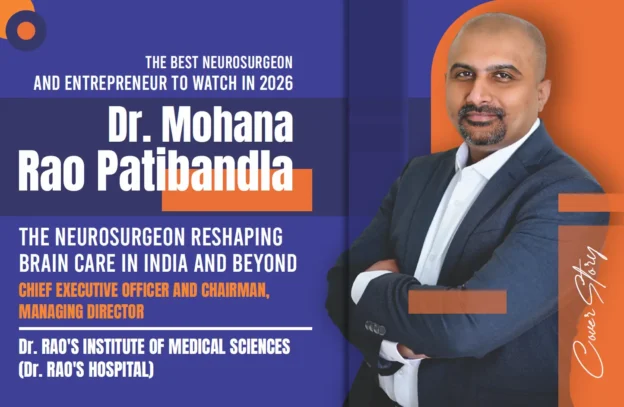
Dr. Mohana Rao Patibandla, Top Neurosurgeon in India 2024, featured on The Enterprise World magazine cover for leadership in minimally invasive neurosurgery at Dr. Rao’s Hospital, Guntur.

Emerging Innovations in Neurosurgery: From Endoscopic to AI


Emerging Innovations in Neurosurgery: From Endoscopic Brain Surgery to AI-Guided Spine Procedures

The field of neurosurgery is undergoing a transformative evolution, driven by cutting-edge technologies that redefine what’s possible in brain and spine care. From endoscopic brain surgery to AI-guided spine procedures, these innovations promise more precise, less invasive, and highly personalized treatments.

At Dr. Rao’s Hospital, one of India’s most advanced centers for neurosurgical excellence, innovation meets compassion. Led by Dr. Mohana Rao Patibandla — one of the best neurosurgeons in Guntur — the hospital integrates artificial intelligence, robotics, and endoscopic techniques to deliver the highest standards of care.


1. Endoscopic Brain Surgery: A New Window into the Brain

What is Endoscopic Brain Surgery? It’s a minimally invasive approach where neurosurgeons use a small camera (endoscope) and micro-instruments to access deep-seated areas of the brain through tiny openings or natural pathways like the nasal cavity. This allows precise tumor removal with minimal disruption to healthy tissues.

Benefits of Endoscopic Brain Surgery

  • Smaller incisions and reduced scarring
  • Less blood loss and faster recovery
  • Shorter hospital stay and reduced infection risk

At the Neurosurgery Department of Dr. Rao’s Hospital, advanced endoscopic procedures are performed routinely for brain tumors, colloid cysts, hydrocephalus, and skull base lesions. These surgeries combine technology with surgical mastery for optimal patient outcomes.

[Source: WHO – Surgical Safety and Innovation]


2. AI-Guided Spine Surgery: Where Precision Meets Technology

How does AI improve spine surgery? Artificial Intelligence assists spine surgeons by analyzing preoperative imaging, planning precise screw placements, and guiding robotic systems during the procedure. AI tools reduce human error and optimize patient-specific surgical plans.

At the Spine Surgery Unit at Dr. Rao’s Hospital, AI-integrated navigation and robotic assistance are redefining complex spinal deformity corrections and fusion surgeries. Patients benefit from enhanced safety, accuracy, and quicker recovery times.

[Source: NIH – Artificial Intelligence in Neurosurgery]


3. Intraoperative Neuromonitoring (IONM): Real-Time Safety

Intraoperative Neuromonitoring (IONM) has become essential in modern neurosurgery. It allows continuous monitoring of nerve function during surgery, helping prevent permanent neurological damage.

  • Protects critical brain and spinal pathways
  • Detects early warning signals during operations
  • Reduces postoperative complications

Dr. Mohana Rao presented his clinical experience on the efficacy of IONM in over 1000 neurosurgical cases, showcasing its vital role in improving safety across brain and spine surgeries.


4. Minimally Invasive Skull Base Surgery: Access Without Trauma

Traditionally, skull base surgery involved large openings and long recoveries. Today, with endoscopic transnasal approaches, neurosurgeons can reach complex regions through the nasal passage, minimizing trauma and preserving facial structures.

These approaches are particularly effective for:

  • Pituitary tumors
  • Craniopharyngiomas
  • Meningiomas
  • Chordomas

Dr. Rao’s Hospital is among the few centers in India where such minimally invasive skull base surgeries are routinely performed — including advanced procedures like endoscopic transnasal odontoidectomy.

[Source: PubMed – Endoscopic Skull Base Surgery]


5. Neuro-navigation and 3D Brain Mapping: The GPS of Neurosurgery

Neuro-navigation systems use real-time imaging to create 3D brain maps, allowing surgeons to precisely locate and remove tumors while avoiding vital brain areas. This technology acts as a “GPS for the brain,” improving both precision and safety.

Combined with intraoperative MRI and 3D mapping, these systems allow Dr. Rao’s Hospital’s Neurosurgery Department to offer unmatched accuracy in delicate brain tumor resections and epilepsy surgeries.


6. Robotics in Neurosurgery: Precision Beyond the Human Hand

Robotics has made its mark in neurosurgery by enhancing accuracy and stability during intricate procedures. With robotic assistance, neurosurgeons can perform deep-brain and spinal stabilization surgeries with sub-millimeter precision.

At Dr. Rao’s Hospital’s Neurology and Neurosurgery Units, robotic-assisted procedures are revolutionizing patient safety and postoperative outcomes through automation and artificial intelligence.


7. AI in Predictive and Personalized Neurosurgery

Artificial Intelligence is not limited to the operating room — it now extends to predictive modeling, outcome forecasting, and personalized rehabilitation. AI helps doctors estimate patient recovery times, surgical risks, and long-term mobility outcomes with remarkable accuracy.

[Source: Mayo Clinic – AI in Personalized Medicine]


8. The Future of Neurosurgical Care at Dr. Rao’s Hospital

The integration of AI, robotics, and endoscopy marks a new era in neurosurgery — one that prioritizes precision, speed, and safety. Patients at Dr. Rao’s Hospital benefit from:

  • Real-time intraoperative neuromonitoring
  • Minimally invasive surgical techniques
  • Shorter hospital stays and faster recovery
  • Multidisciplinary neurological care under one roof

To book an appointment or consultation, visit the Contact Page or call 📞 090100 56444.


Conclusion: Pioneering the Future of Neurosurgery in India

Neurosurgery is evolving from open procedures to precision-guided, minimally invasive solutions powered by AI and robotics. At the forefront of this revolution is Dr. Mohana Rao Patibandla, one of the best neurosurgeons in Guntur.

Under his leadership, Dr. Rao’s Hospital stands as a national hub for advanced neurosurgical innovation, offering safer and smarter treatments for complex brain and spine disorders.

If you’re searching for the best neurosurgeon in Guntur or expert care for complex neurological conditions, visit Dr. Rao’s Hospital. Contact us at 📞 090100 56444 or 📧 info@drraoshospitals.com.


What is endoscopic brain surgery?

Endoscopic brain surgery is a minimally invasive technique using a small camera and instruments through tiny openings to treat brain tumors, cysts, and hydrocephalus with less recovery time.

How does AI assist in spine surgery?

AI analyzes scans and guides surgical tools to enhance precision and safety during spinal procedures. It reduces errors and improves postoperative outcomes.

Why choose Dr. Rao’s Hospital for advanced neurosurgery?

At Dr. Rao’s Hospital, led by Dr. Mohana Rao Patibandla, one of the best neurosurgeons in Guntur, patients receive world-class minimally invasive, AI-assisted, and compassionate neurosurgical care.


Follow Dr. Rao’s Hospital

Dr. Rao: Leading the Future of Neurosurgery in India

World-Class Spine and Brain Surgery with Dr. Rao at Dr. Rao’s Hospital

Comprehensive Guide to Spine Surgery and Pain Management: Dr. Rao at Dr. Rao’s Hospital

People with spinal cord injuries, herniated discs, or chronic pain frequently seek out complex procedures like spine surgeries. With the proper care and expertise, these surgeries can significantly improve a patient’s quality of life. Dr. Mohana Rao Patibandla, an acclaimed neurosurgeon at Dr. Rao’s Hospital in Guntur, has gained international recognition for his exceptional skills in spine and neurological surgery. His hospital is renowned for offering advanced treatment options, including minimally invasive spine surgeries, and consistently delivering successful outcomes.

In this article, we will explore the various aspects of spine surgery, including common causes of pain after surgery, specific procedures, and why Dr. Rao’s Hospital is a top choice for patients worldwide.


Pain After Spine Surgery: Understanding the Causes

Pain after spine surgery is one of the most common concerns for patients. While the goal of spinal surgery is to relieve pain, some patients experience discomfort or complications during recovery. There are several reasons why pain might persist after surgery, including:

  • Inflammation: The healing process may cause temporary swelling around the surgical site.
  • Nerve sensitivity: Nerves that were compressed pre-surgery might take time to recover fully, leading to ongoing pain.
  • Scar tissue: In some cases, scar tissue may form near the nerves, causing discomfort.

Patients must communicate with their doctors during recovery to ensure proper pain management. Dr. Rao’s Hospital offers comprehensive postoperative care plans to reduce pain and promote healing.


Neurological Spine Conditions: Causes and Treatments

The neurological spine involves conditions affecting the spinal cord and surrounding nerves. These conditions can cause debilitating pain, weakness, or loss of function. Common issues include:

  • Herniated discs
  • Spinal stenosis
  • Degenerative disc disease
  • Spinal tumors

As a leading neurosurgeon specialist, Dr. Rao treats complex neurological spine conditions using cutting-edge technology and minimally invasive techniques. His extensive experience ensures the best possible outcomes for patients with neurological spine disorders.


Surgery Pain: How to Manage Discomfort

Managing surgery pain is a critical part of the recovery process. Post-surgery pain is expected but should decrease over time as the body heals. At Dr. Rao’s Hospital, pain management strategies include:

  • Medication: Anti-inflammatory drugs, muscle relaxants, or nerve pain medications.
  • Physical therapy: Gentle exercises to restore strength and mobility.
  • Lifestyle modifications: Proper posture and avoiding strenuous activities help speed up recovery.

Dr. Rao ensures that every patient receives personalized care, focusing on minimizing postoperative pain.


India’s Best Doctor Name: Dr. Mohana Rao Patibandla

When searching for the best spine surgeon in India, many patients discover the outstanding reputation of Dr. Mohana Rao Patibandla. Recognized for his contributions to spinal surgery and neurosurgery, Dr. Rao has been named one of India’s best doctors. His patient-first approach and expertise in minimally invasive surgeries set him apart as a leading figure in the healthcare industry.


Cervical Back Surgery: Effective Solutions for Neck and Back Pain

Cervical back surgery refers to procedures to treat conditions affecting the cervical (neck) spine region. These conditions can cause severe neck pain, radiating pain to the shoulders or arms, and even numbness in the hands. Standard cervical spine procedures include:

  • Anterior cervical discectomy and fusion (ACDF): A procedure to remove a herniated or degenerative disc and fuse the vertebrae.
  • Cervical laminectomy: Removes part of the vertebrae to relieve pressure on the spinal cord.

Dr. Rao’s advanced expertise in cervical spine surgeries ensures quick recovery times and significant relief from pain for patients suffering from neck-related issues.


Back Pain After Spine Surgery: What You Need to Know

While spine surgery is designed to alleviate pain, some patients may experience back pain after spine surgery. This could be due to:

  • Incomplete healing: Pain that continues as the spine adjusts post-surgery.
  • Adjacent segment disease: When a neighboring disc degenerates following a spinal fusion.
  • Infection or hardware problems: In rare cases, postoperative issues such as infection or hardware failure may lead to persistent pain.

Advanced diagnostic techniques at Dr. Rao’s Hospital identify the root cause of post-surgery pain, ensuring that appropriate treatment is promptly provided.


Cervical Spine Procedures: Advanced Surgical Techniques

The cervical spine plays a crucial role in supporting the head and protecting the spinal cord. Dr. Rao performs various cervical spine procedures designed to correct structural problems, relieve nerve compression, and improve patient mobility. Some standard procedures include:

  • Cervical fusion: Fusing two or more vertebrae to provide stability.
  • Cervical disc replacement: Replacing damaged discs with artificial ones to preserve movement.

Dr. Rao utilizes the latest techniques to ensure the highest level of success in cervical spine surgeries, minimize risks, and optimize recovery.


Pain After Lumbar Surgery: Causes and Solutions

Pain after lumbar surgery can occur for various reasons, including inflammation, scar tissue formation, or issues with spinal hardware. Dr. Rao’s Hospital offers advanced pain management solutions and follow-up care to address such problems. Postoperative care plans are personalized, focusing on pain relief and functional recovery.


India’s Best Doctor Name for Spine Surgery

Patients seeking treatment from India’s best doctor for spine surgery often choose Dr. Mohana Rao Patibandla. His extensive training in India and internationally ensures he can handle the most complex spine and brain surgeries. Under his leadership, Dr. Rao’s Hospital has become one of the top destinations for international and local patients seeking advanced spinal care.


Pain in Back After Surgery: Effective Treatments

Pain in the back after surgery can be frustrating, but it’s important to remember that healing takes time. Further diagnostic tests may be needed to evaluate issues such as nerve compression or hardware displacement if pain persists. Dr. Rao emphasizes thorough postoperative follow-ups to ensure patients recover fully and minimize the chances of chronic pain.


Best Spine Dr: Why Dr. Rao is the Top Choice

Regarding finding the best spine doctor in India, Dr. Rao stands out due to his high success rates and commitment to patient care. His ability to perform complex spine surgeries with minimally invasive techniques makes him the go-to specialist for many patients suffering from chronic spinal conditions.


Best Back Surgeon for Minimally Invasive Techniques

As the best back surgeon in India, Dr. Rao has pioneered minimally invasive spine surgeries that result in shorter recovery times, less postoperative pain, and more minor scars. These innovative procedures are particularly beneficial for patients with lumbar issues or herniated discs.


Spine Surgeon in Chennai: Top Choices for Treatment

For patients seeking a spine surgeon in Chennai, Dr. Rao’s Hospital in Guntur offers an excellent alternative. With world-class facilities, highly trained staff, and a reputation for delivering successful outcomes, many patients from Chennai and across India travel to Dr. Rao’s Hospital for their spinal surgeries.


Neurosurgeon Specialist: Expertise in Complex Cases

As a leading neurosurgeon specialist, Dr. Rao handles the most challenging cases, including spinal tumors, herniated discs, and spinal stenosis. His focus on patient-centered care and his use of cutting-edge technology ensure that each patient receives the best possible treatment.


Neck Pain Surgery: Relief for Chronic Pain

For patients with chronic neck pain, neck pain surgery may offer significant relief. Dr. Rao specializes in treating neck conditions through surgical and non-surgical interventions, helping patients return to a pain-free life.


Minimally Invasive Spine Surgery in India

At Dr. Rao’s Hospital, minimally invasive spine surgery in India has transformed patient outcomes. These techniques offer a less invasive approach to treating spinal conditions by minimizing tissue damage and reducing recovery times.


Dr. Rao’s Hospital: The Best Brain, Spine, and Endovascular Center in India

Located in Guntur, Dr. Rao’s Hospital is widely regarded as one of the best brain, spine, and endovascular centers in India. The hospital provides a comprehensive range of treatments, from keyhole neurosurgery to advanced endovascular procedures. Dr. Rao’s team offers personalized care, making the hospital a top choice for local and international patients.


Affordable Medical Tourism in India

With the rise of affordable medical tourism in India, patients worldwide are turning to Dr. Rao’s Hospital for top-quality care at a fraction of the cost compared to Western countries. The hospital provides international patients with customized care packages that include surgery, accommodation, and follow-up care, making it an attractive option for those seeking affordable yet world-class medical treatment.


In conclusion, Dr. Rao and his team at Dr. Rao’s Hospital have established themselves as leaders in brain, spine, and endovascular surgery. Whether you’re seeking relief from back pain or require advanced neurosurgical care, Dr. Rao’s expertise, combined with state-of-the-art medical technology, ensures that you are in the best hands.

Dr. Rao’s Contact Information: